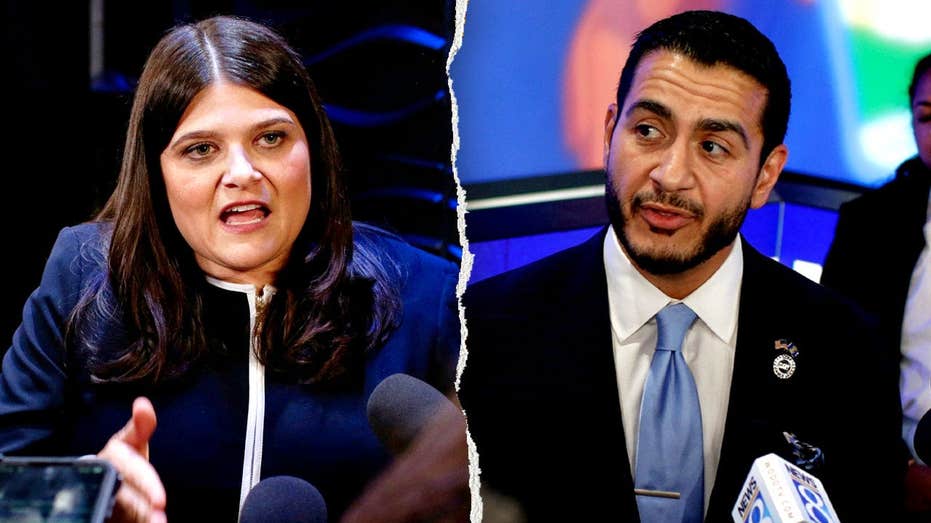
Michigan's Democratic Senate primary remains too close to call as votes continue to be counted, with progressive candidate Abdul El-Sayed holding a razor-thin lead over more moderate contender Rep. Haley Stevens.
The highly anticipated contest, which has been one of the most expensive Democratic Senate nomination contests in history, with over $80 million spent, has been closely watched as a test of the party's progressive wing and its ability to challenge the center-left establishment.
El-Sayed, a former Wayne County health director and epidemiologist, has made support for "Medicare for All" a major component of his campaign and has been a vocal critic of Israel's actions in Gaza, characterizing them as "genocide" against Palestinians.
Stevens, on the other hand, has been supported by establishment figures including Sen. Chuck Schumer of New York, the longtime Senate Democratic leader, and has been seen as more electable than El-Sayed, whose past comments have drawn controversy.
The party's internal battle was also on display in Michigan's 7th Congressional District, a Republican-controlled swing seat, where William Lawrence, a co-founder of the Sunrise Movement climate advocacy group, edged out two more moderate Democrats and will face Republican Rep. Tom Barrett in the general election.
Additionally, the party's ideological warfare played out in Missouri's St. Louis-based, heavily Democratic 1st Congressional District, where Rep. Wesley Bell defeated Democratic Socialists of America-backed challenger and former Rep. Cori Bush in a rematch of their 2024 showdown.
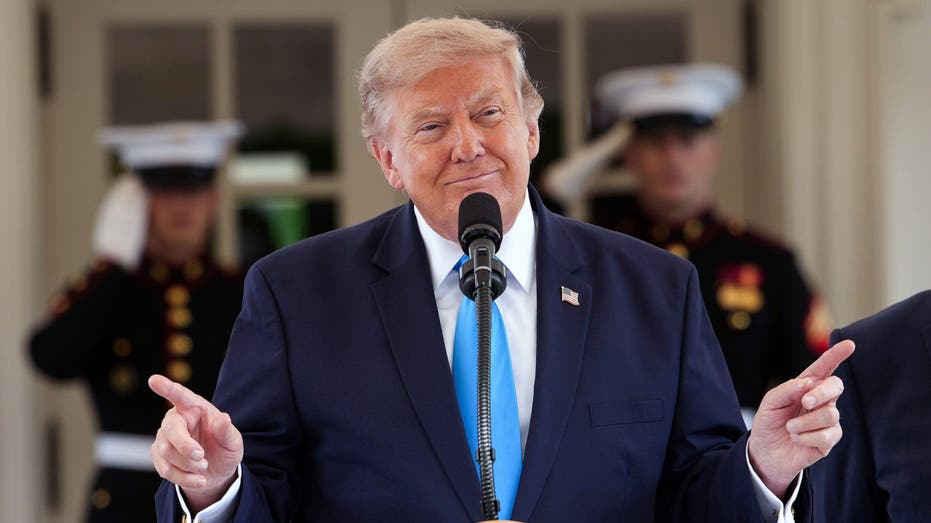
Trump's clout within the GOP was also on display Tuesday, with the president's preferred candidates prevailing in two gubernatorial contests, including Rep. John James of Michigan and state Senate President Ty Masterson in Kansas.
The results of the primary election reflect a complex and divided Democratic Party, with some seeing the outcome as a sign of the party's shift to the left, while others view it as a unique situation where candidates matter.
Regardless of the outcome, the party's internal battle is likely to continue, with implications for the 2024 elections and the party's ability to challenge the center-left establishment.