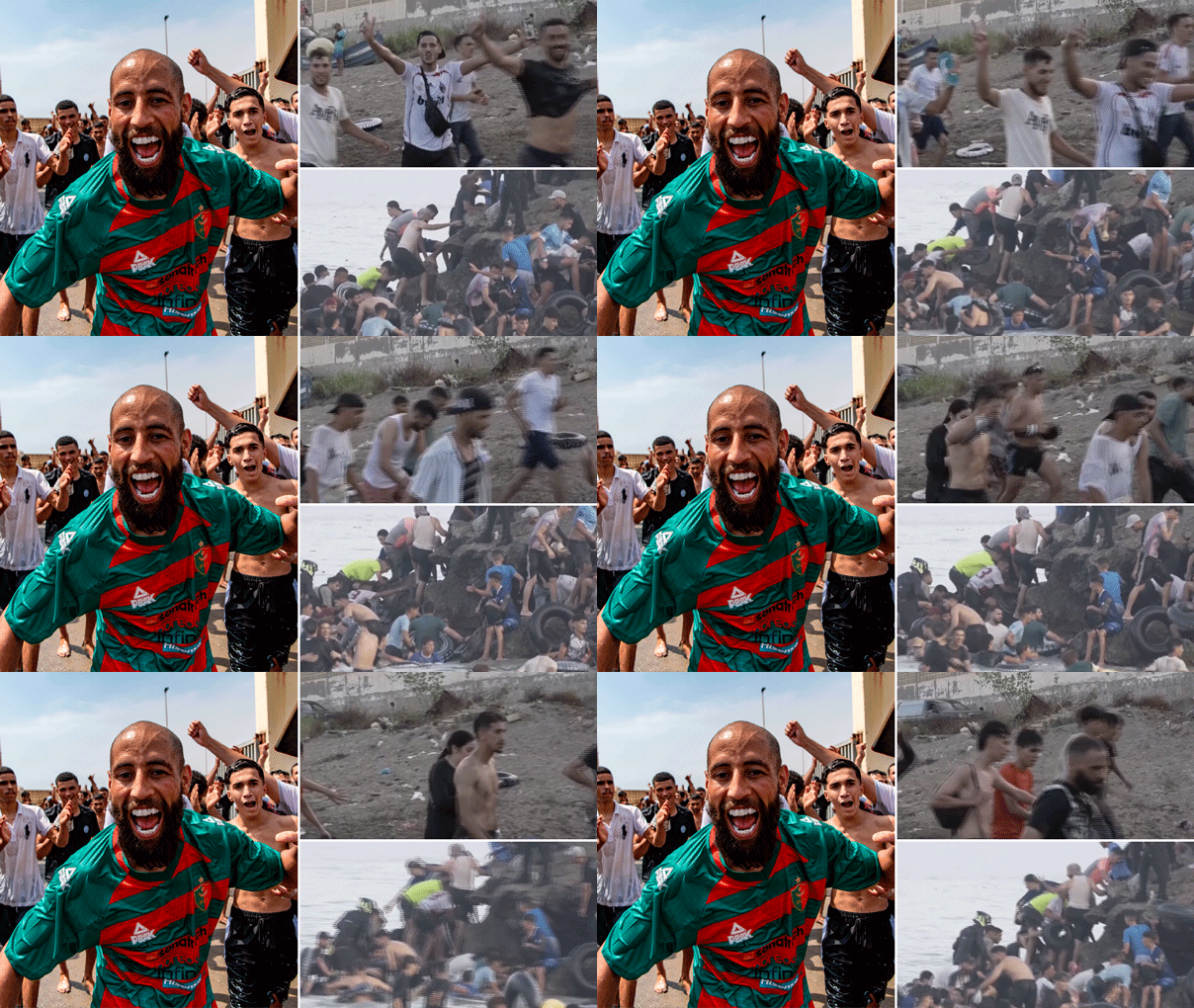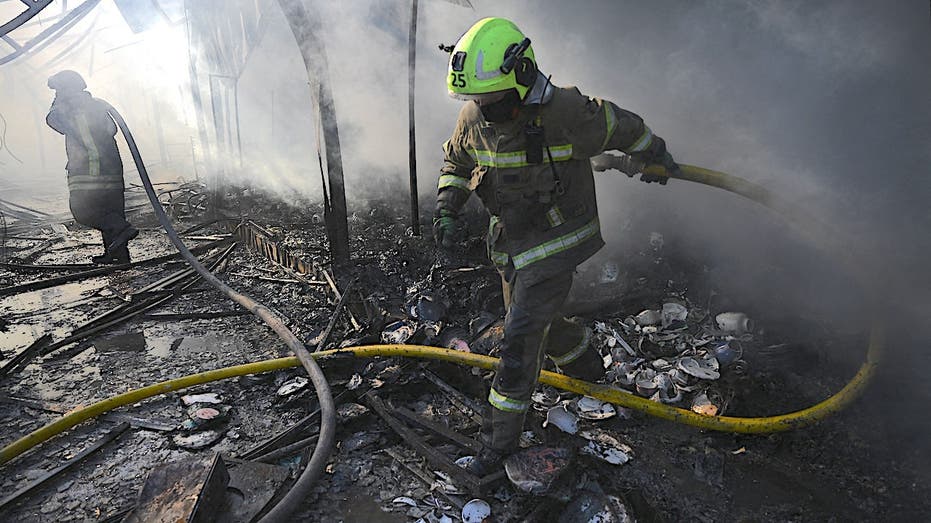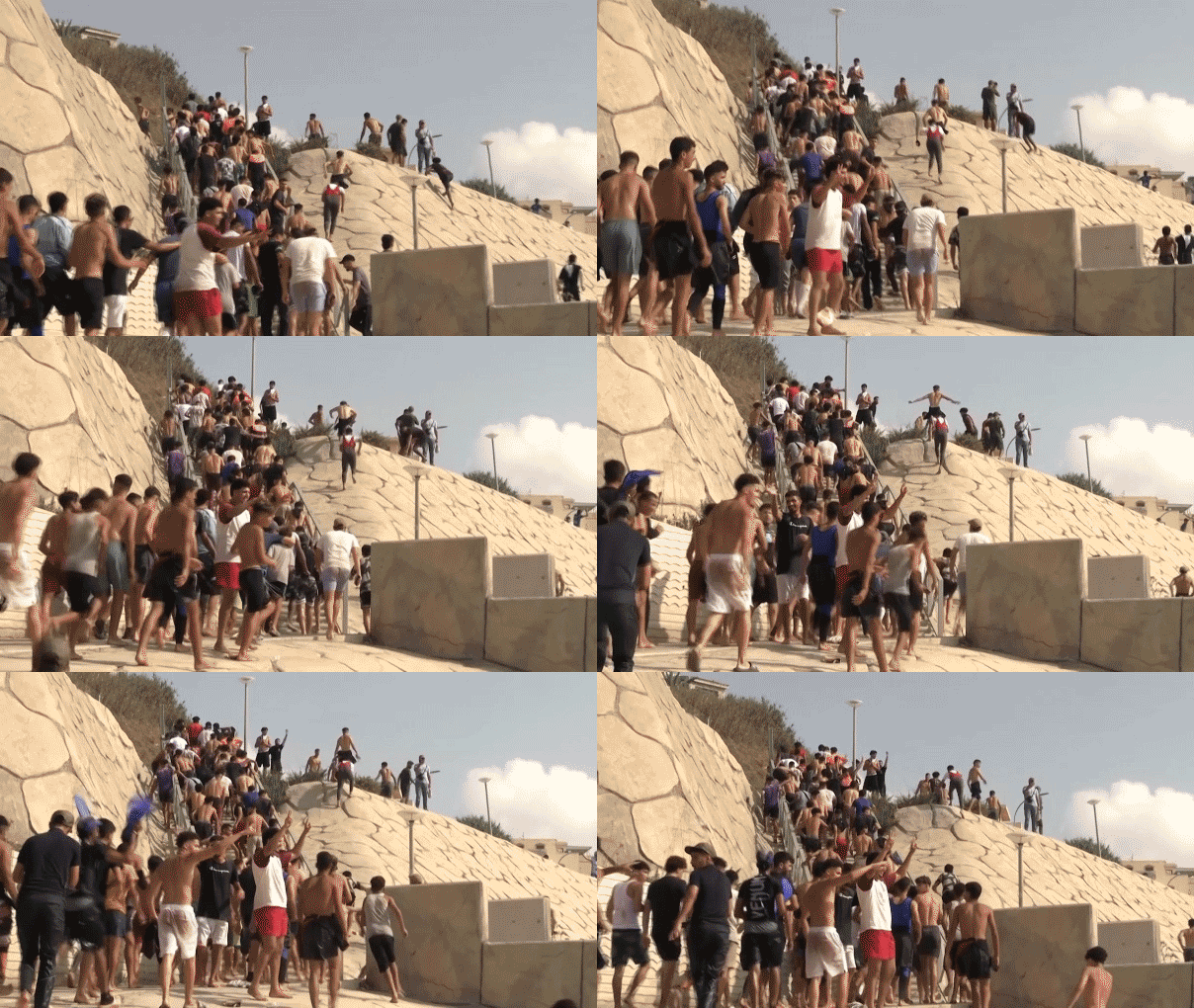
Italy has temporarily reinstated border controls on travelers arriving from Spain, as a mass migrant crisis escalates in Ceuta, Spain. The move comes after approximately 60,000 migrants entered the Spanish autonomous city from Morocco, sparking a wider test of Europe's passport-free travel system.
Spain's Interior Ministry reported that 48,300 people have voluntarily returned to Morocco, leaving fewer than 2,000 people in the territory. The death toll among migrants attempting to reach the enclave has risen to 57 people.
The crisis is challenging one of the European Union's central promises: maintaining open internal borders while jointly protecting the external frontier. Italy's decision to restore checks has raised questions about whether migration pressures could lead governments to retreat from free movement and reclaim more national control.
President Donald Trump seized on the images from Spain, warning during a Cabinet meeting at Camp David that a similar crisis could unfold in the United States if Republicans lose power. Trump blamed "weak law, bad management" and liberal migration policies for the crisis.
Italian Prime Minister Giorgia Meloni said that Italy would impose targeted checks on non-European Union nationals arriving from Spain by air or sea for one month, while coordinating with France to strengthen controls along the Franco-Italian border.
France was increasing checks along its border with Spain, while right-wing parties across Europe blamed Prime Minister Pedro Sánchez's migration policies for weakening Spain's ability to secure an external European Union border. Reform UK leader Nigel Farage warned that the crisis would eventually affect Britain, while French politician Marine Le Pen called for tighter French border controls.
Israeli Ambassador to the United Nations Danny Danon criticized Spain for lecturing Israel on security while struggling to control its own border. White House officials connected the images from Ceuta, Spain, to the Biden administration's border policies and Trump's longstanding warnings about mass migration.
The crisis has sparked a broader conservative backlash across Europe and the United States. Nile Gardiner, director of the Margaret Thatcher Center for Freedom, warned that Ceuta, Spain, could become "a key turning point in the unraveling of the European Union."
Mark Dubowitz, CEO of the Foundation for Defense of Democracies, criticized Sánchez's migration policies, saying they had threatened Europe at home and abroad. Ceuta is a Spanish autonomous city located on the North African coast, across the Strait of Gibraltar from mainland Spain.
The surge followed controversy over a Spanish Supreme Court ruling limiting authorities' ability to summarily return migrants intercepted at sea, as well as a separate Sánchez government program granting legal status to undocumented migrants already living in Spain.
Morocco denied facilitating the mass crossing, with its ambassador to Spain saying that the events in Ceuta had unfolded against Rabat's wishes. Moroccan security forces later used water cannons and warning shots to prevent additional crossings.
The crisis has raised questions about the effectiveness of Europe's passport-free travel system and the need for greater border control. The pressure on Ceuta, Spain, appeared to ease as thousands returned to Morocco, but the breach has already spread beyond Spain.
The European Union's Schengen system, which allows member states to maintain open internal borders, is under threat. The crisis has sparked a European fight over borders and is entering the American political debate through Trump's warning about a possible Democratic return to power.