Poland placed its air defenses on high alert early Thursday and scrambled fighter jets after Russia launched a large-scale missile and drone assault on Ukraine.
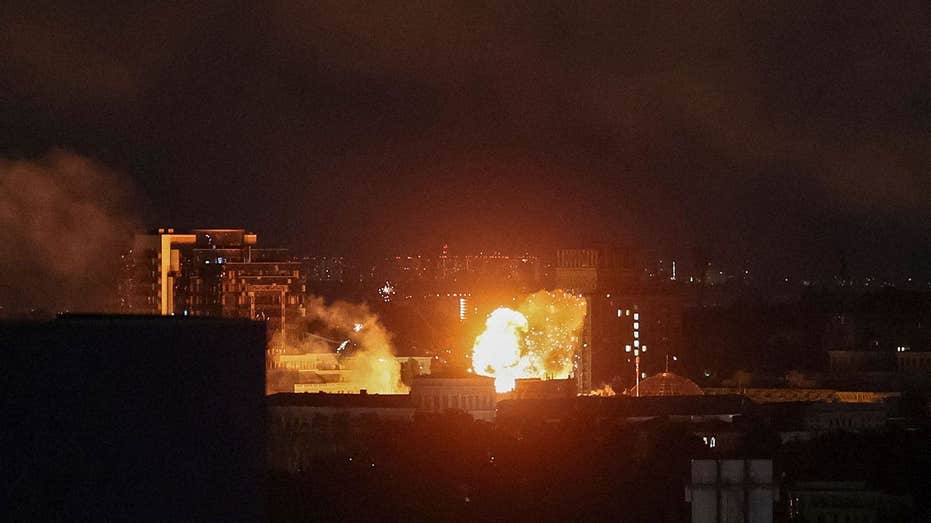
More than 70 missiles and roughly 280 drones struck targets from Kyiv to the western city of Lviv, killing at least eight people and wounding dozens.
Ukrainian President Volodymyr Zelensky highlighted a critical shortage of Western‑supplied interceptors, especially for defending against ballistic missiles.
The European Union released an additional $4 billion to fund the purchase of drones, missiles, air‑defence systems and fighter aircraft, adding to a broader loan package exceeding $100 billion.
Polish radar detected an unidentified object moving westward shortly before 4 a.m.; an F‑16 was dispatched, but the object vanished from radar and a 33‑foot crater was later found near Tarnawa‑Kolonia.
Polish officials suspect the object was a Russian Kh‑101 cruise missile, though investigators continue to verify its type and origin, and the United States has expressed interest in joining the inquiry.
The incident marks the first direct threat to a NATO member in the conflict and follows Zelensky’s appeal to U.S. senators for stronger sanctions and defense support.
In Ukraine, a Russian Iskander‑M ballistic missile destroyed a private home near Kryvyi Rih, killing six—including two girls aged five and twelve—while seven additional fatalities occurred in Kyiv and the Dnipropetrovsk and Poltava regions.
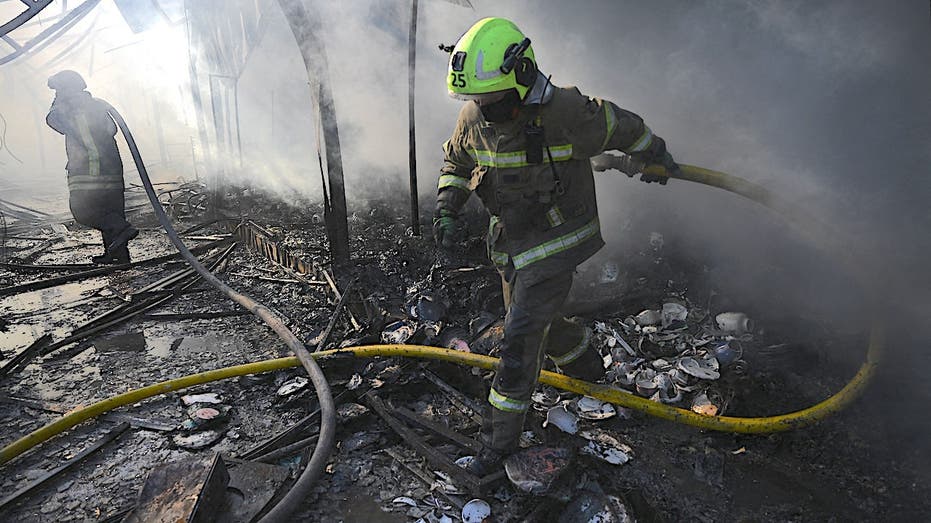
Air‑raid warnings in Kyiv lasted more than five hours, forcing thousands into subway shelters as residential buildings, a market and a garage complex were damaged.
In Lviv, emergency crews rescued residents from collapsed apartments, reporting thirty injuries, including children, and extensive damage to over twenty residential structures, a school and two kindergartens.
Ukraine’s air force reported intercepting 55 missiles and 265 drones, but only one of nine ballistic missiles was shot down, underscoring the limited capability of existing defenses.
The U.S. Patriot system remains the only reliable shield against Russian ballistic missiles, and Zelensky discussed licensing arrangements with U.S. officials to enable domestic production of Patriot interceptors.
The U.S. Senate advanced a comprehensive sanctions package named after the late Senator Lindsey Graham, clearing procedural hurdles with votes of 86‑12 and 84‑12.
The legislation would impose sanctions on Russian officials, oligarchs, financial institutions, energy projects and vessels, and authorize tariffs of up to 100 % on goods from the largest purchasers of Russian oil and gas, while also extending sanctions on Iran’s energy and weapons sectors.
Zelensky met with a bipartisan group of senators, describing the measures as a vital signal to Russia, Europe and the Ukrainian people, and observed the Senate vote after attending the senator’s funeral.