The United States is reversing a key concession offered to Iran as part of a framework deal that sparked a two-month negotiating period following recent attacks on commercial vessels in the Strait of Hormuz.
A U.S. official confirmed that the Treasury Department's Office of Foreign Assets Control would revoke the sanctions waivers, stating that Iran's actions in the Strait were "wholly unacceptable" to the United States and would be met with consequences.
The sanctions relief was part of a memorandum of understanding signed in June that launched a 60-day negotiating period between Washington and Tehran.
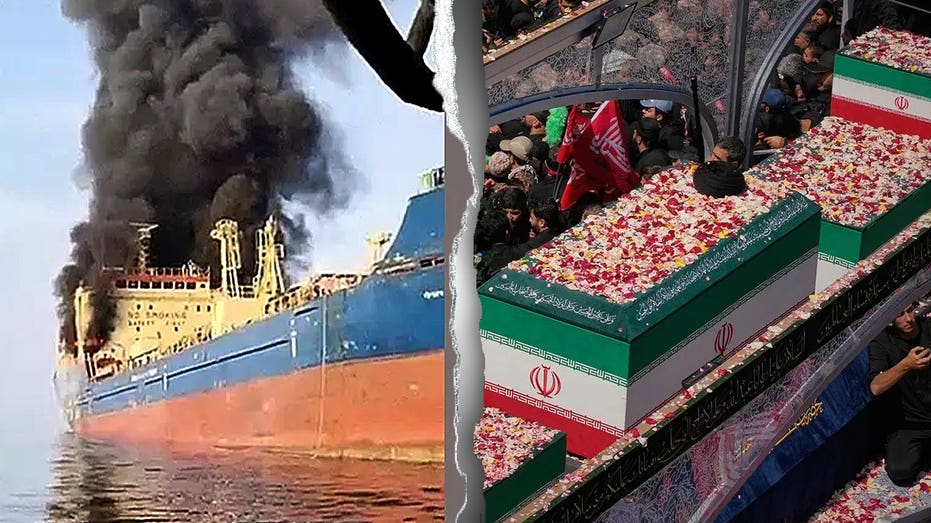
The attacks targeted commercial shipping transiting one of the world's busiest maritime choke points, with a British vessel struck by a projectile near the coast of Oman on Monday and another tanker struck by an unidentified projectile on Tuesday.
The incidents have raised fresh questions about whether the fragile truce can survive long enough for the two sides to negotiate a broader peace deal, with roughly one-fifth of the world's seaborne oil passing through the Strait of Hormuz.
A U.S. official acknowledged that the attacks had forced the Trump administration to revoke a key concession offered to Iran under a ceasefire agreement, raising concerns about the stability of the fragile ceasefire established under the memorandum of understanding.
The renewed attacks also cast doubt on the Trump administration's diplomatic strategy, with the White House having paused negotiations while Iran observed funeral ceremonies for slain Supreme Leader Ali Khamenei in hopes of resuming talks after the mourning period concluded.
Iran has insisted it should play a leading role in managing traffic through the Strait of Hormuz and has sought to collect fees from commercial vessels transiting the strategic waterway, while the Trump administration has rejected that position, insisting the strait remain open to free international navigation.
The latest attacks come after multiple attacks on commercial shipping since the U.S.-Iran conflict began earlier this year, and have raised concerns about the stability of the fragile ceasefire established under the memorandum of understanding.
Commercial traffic through the Strait of Hormuz had begun to recover in recent days following the U.S.-Iran ceasefire, though shipping remained well below historical levels.