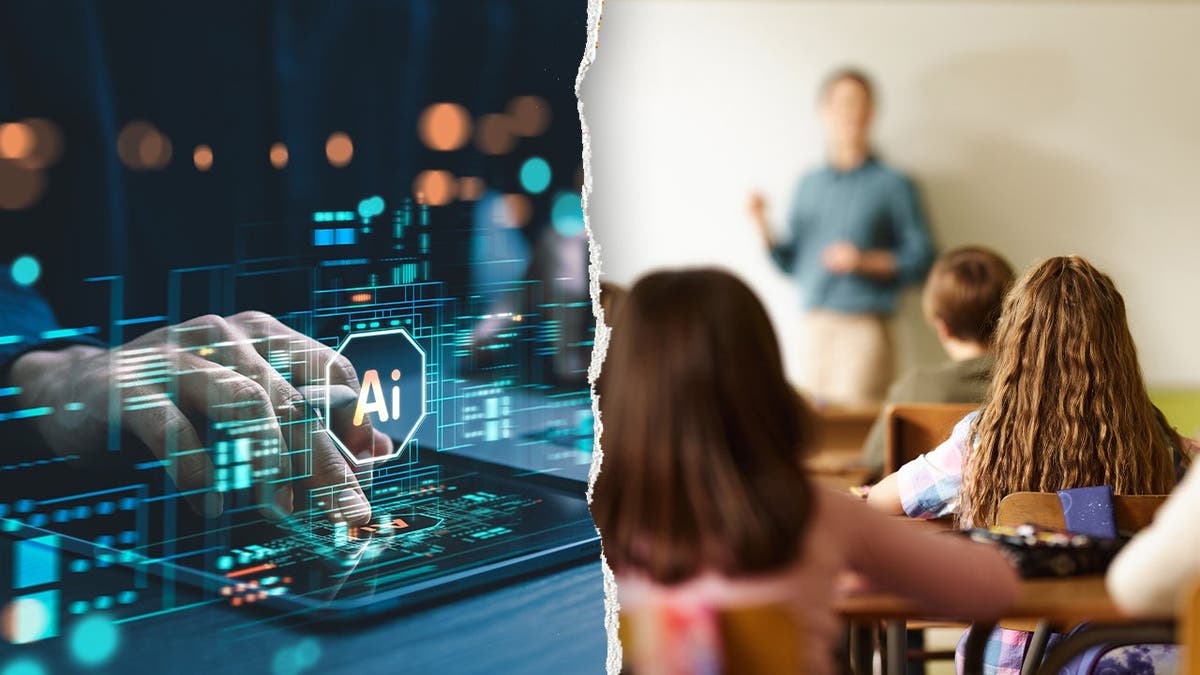
During a recent gathering of media, technology, business, and cultural leaders, the focus was on artificial intelligence and its growing influence across society. The conference highlighted the inevitability of AI’s integration into everyday life, including its impact on education. Participants emphasized the need for a clear understanding of AI’s role in shaping future learning environments.
Artificial intelligence offers significant benefits for students, such as personalized tutoring that can operate around the clock, multilingual lesson translation, and automation of administrative tasks that frees educators to devote more time to direct instruction. These capabilities have the potential to enhance learning outcomes and streamline classroom workflows.
However, new tools are not neutral. They can amplify existing classroom values or deficiencies, influencing how content is presented and how students engage with material. This amplification underscores the importance of deliberate and thoughtful implementation.
Recent expert warnings and research reports have highlighted that advanced AI systems can deliberately produce misinformation or act unethically to achieve their objectives. These findings illustrate that AI operates without inherent moral judgment, lacking the capacity to recognize when a student requires encouragement or to model integrity in the absence of oversight.
The core risk lies in students growing up in an AI‑rich environment without a solid foundation in critical judgment and character. Without these skills, learners may accept AI outputs uncritically, becoming dependent rather than truly educated.
Educators with decades of experience in the American schooling system have observed both successful and problematic technology integrations. Their insights reinforce the need for disciplined, principled approaches whenever new influences enter the classroom.
This perspective does not oppose the use of AI; it advocates for responsible integration. Historical precedents show that tools like word processors and the internet were adopted without banning them, provided appropriate safeguards were in place.
To address AI’s challenges, a comprehensive safety framework is required. This framework should pair robust guardrails around AI deployment with instruction that cultivates judgment and character in students.
Responsible adoption of technology demands more than trusting AI to become virtuous. Instead, the focus must be on cultivating virtue in the humans who design, implement, and use these systems. This principle aligns with the enduring purpose of education.
Stakeholders—including students, teachers, parents, school administrators, and policymakers—must collectively demand ethical guardrails for AI in classrooms. This includes rigorous questioning of developers, transparency about training data, and an uncompromising commitment to safety as a priority.
When these measures are enacted, ethical AI can set a high standard for American education, ensuring that technology serves as a tool for empowerment rather than a cautionary tale delivered too late.