Illicit Chinese vape companies are exploiting legal loopholes by replacing nicotine with an unregulated substitute to continue selling flavored disposable vapes to children. The synthetic compound, 6-methyl nicotine, also known as 6MN or "NIX," is a nicotine analog marketed under various brand names. This move has raised concerns among law enforcement officials, who warn that the products pose unknown health risks to young users.
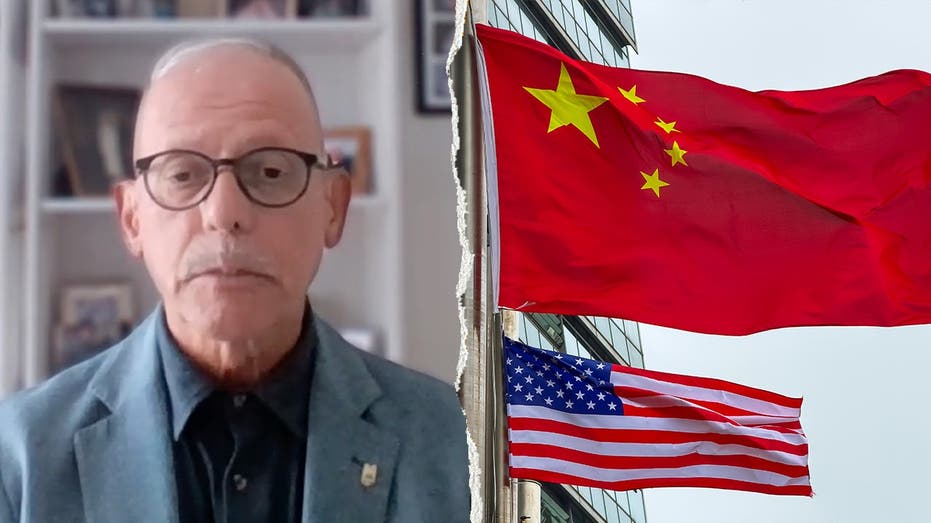
Former top law enforcement official Edgar Domenech has sounded the alarm on this issue, stating that Chinese organized crime groups are creating confusion by changing the ingredients in their products. This, he argues, allows them to evade regulatory oversight and continue selling their products to minors. Domenech, a former sheriff of New York City, emphasizes that the nicotine substitute is an "unknown variable" that hasn't been studied enough.
The use of 6-methyl nicotine products has sparked concerns about their potential addictiveness. A recent study found that 6-methyl nicotine may be stronger than nicotine, raising concerns it could be more addictive. Domenech warns that these products could lead to "unknown health and mental well-being issues down the line." He stresses that there is nothing healthy about the illegal disposable vapes that are flavored and targeted at children.
Domenech points out that the companies creating these products are targeting "our youngest, most vulnerable generation" with flavored disposable vapes containing chemicals whose long-term health effects remain unknown. They are using flavors such as fruity, candy-type, and dessert flavors to appeal to young users. The products are often sold side by side with other vapes in stores, with the only difference being the substitution of 6-methyl nicotine for traditional nicotine.
Law enforcement agencies face challenges in combating the illicit trade of these products. Domenech notes that the companies are "five steps in front of us" and that changing the substance creates additional obstacles for law enforcement and regulatory agencies. He calls for a concerted effort to educate policymakers, health professionals, parents, and schools about the risks associated with these products.
Domenech emphasizes that education is paramount to combating this issue. He argues that lawmakers and law enforcement need clearer guidance to identify and seize the products. Domenech describes the companies creating these products as a "national security problem," saying that the products "should be seized the moment they enter this country, period." He warns that the consequences of inaction could be severe, with a generation of young people potentially being lost to the vaping epidemic.