Two deaths have been reported in Michigan in connection with the ongoing cyclospora outbreak, a parasitic infection transmitted through contaminated food or water that can cause severe diarrhea. The individuals who died had significant underlying health conditions that may have been exacerbated by the infection and dehydration. No additional details about the deceased have been released by state health officials.
The outbreak now spans 45 states, with more than 6,700 laboratory‑confirmed cases recorded nationwide. Although the illness is generally not life‑threatening, fatalities remain rare. Michigan has emerged as a hotspot, documenting over 11,000 cases and 193 hospitalizations, though many incidents have not been laboratory‑confirmed.
Health officials in Windsor‑Essex County are warning residents about the heightened risk associated with travel to Michigan. The region has identified 24 cases this year, a sharp increase from the typical three cases annually. The surge appears linked to travel to the affected state.
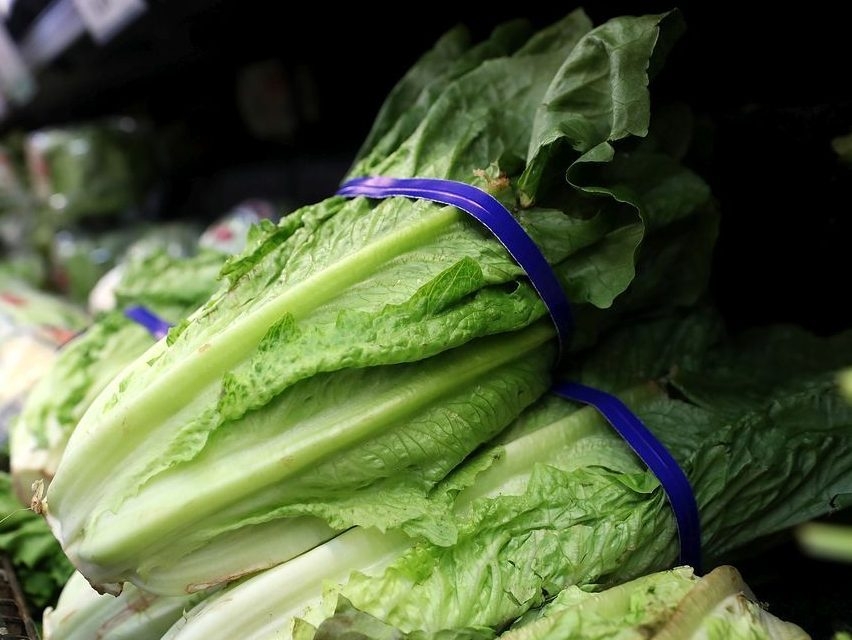
Travelers are urged to take extra precautions when consuming fresh produce, particularly lettuce and salad greens, during the outbreak. Proper washing and avoiding high‑risk items can help reduce the chance of infection.
Cyclosporiasis, the disease caused by the heat‑loving cyclospora parasite, commonly produces frequent watery diarrhea, loss of appetite, bloating, nausea, and fatigue. Some patients also experience body aches, headache, low‑grade fever, or vomiting. Symptoms usually develop about one week after exposure and may last from a few days to several weeks.
Earlier investigations traced a large portion of cases to iceberg lettuce imported from central Mexico and served at a national fast‑food chain across multiple states. The chain removed the implicated lettuce, and the supplier issued a voluntary recall of all related iceberg lettuce. At that time, nearly 2,000 cases and close to 100 hospitalizations were linked to the contaminated product.
Authorities continue to examine other brands, restaurants, retailers, and distribution channels that could be contributing to the spread. The public is encouraged to stay informed and follow recommended food safety practices.