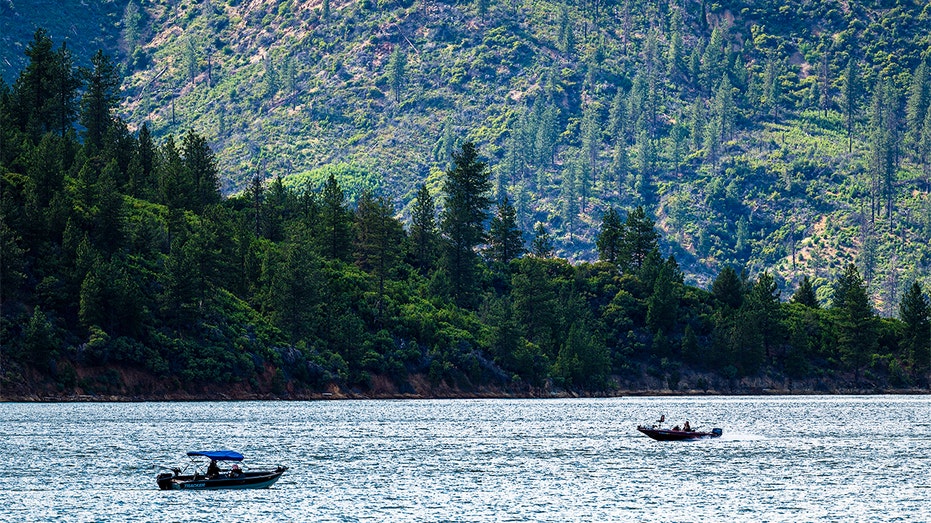
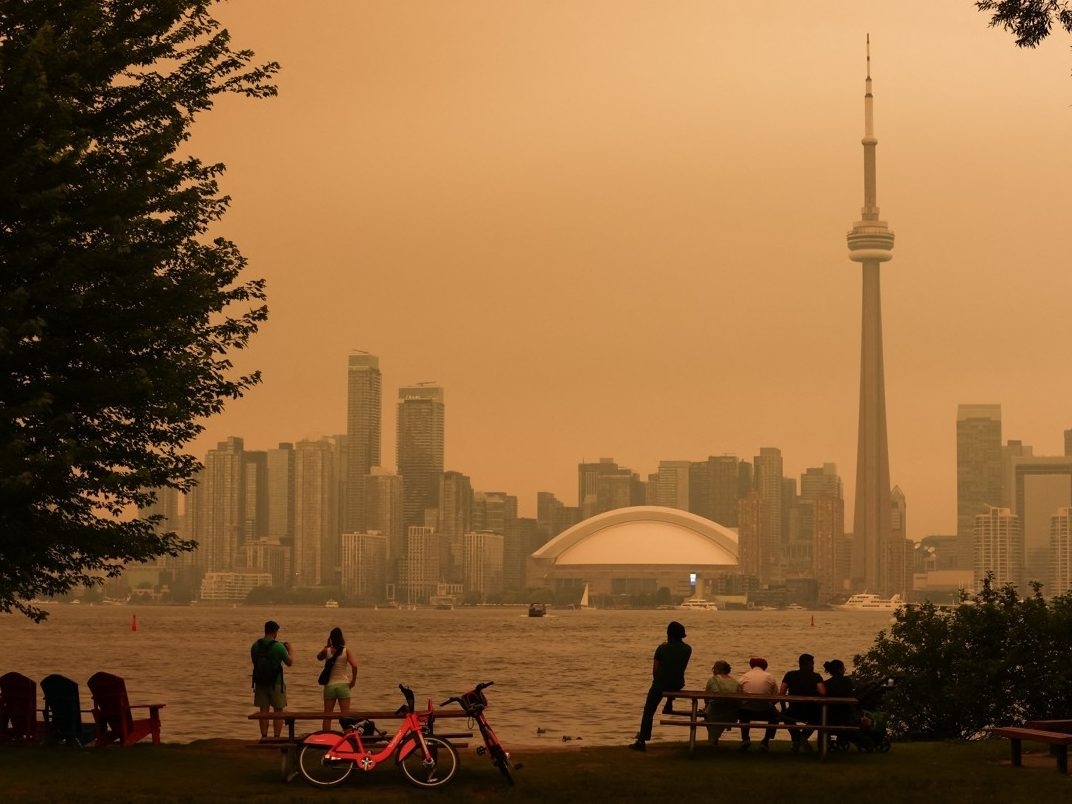
Canada is confronting an unprecedented wildfire season, with more than 800 fires burning across the country and a concentrated cluster of 200 in Ontario. The resulting smoke has degraded air quality for over 100 million residents of Canada and the United States, exposing millions to hazardous conditions.
The federal government has directed a significant portion of its climate budget toward mitigation, aiming to cut industrial greenhouse‑gas emissions. In contrast, spending on adaptation—measures designed to reduce the immediate impacts of climate change—has remained comparatively modest.
Adaptation strategies encompass wildfire prevention, flood management, disaster relief, and the maintenance of critical infrastructure. They also involve implementing tougher building codes, mandating air conditioning and heating in new homes, and restricting development in high‑risk forested, floodplain, and coastal zones.
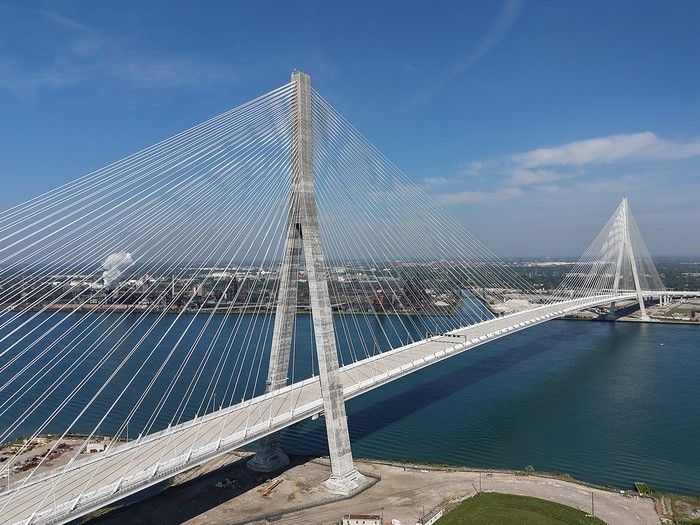
Experts estimate that bringing public infrastructure up to modern resilience standards across Canada would require an investment of between $150 billion and $270 billion. Despite this, the allocation for such upgrades has been limited, leaving bridges, roads, water mains, and sewers vulnerable to severe weather.
Critics contend that without robust adaptation, the public remains exposed to health risks from smoke and other climate‑related hazards, regardless of the federal government’s mitigation commitments.
Canada’s share of global greenhouse‑gas emissions is small, meaning that its own emissions reductions will have minimal effect on worldwide climate trends. Consequently, climate impacts such as extreme heat and wildfires will continue to intensify as global emissions rise.

Immediate adaptation actions are therefore essential to safeguard public health and safety. Measures such as enhanced surveillance, stronger fire suppression capabilities, and better‑equipped emergency responders can mitigate the severity of wildfire seasons.
Targeted forest management, stricter building codes that require both cooling and heating systems, and the relocation of high‑risk communities could further strengthen resilience against future climate events.
Balancing mitigation with adaptation is crucial. While reducing emissions addresses the long‑term trajectory of climate change, adaptation provides the necessary tools to protect Canadians in the present and in the coming decades.