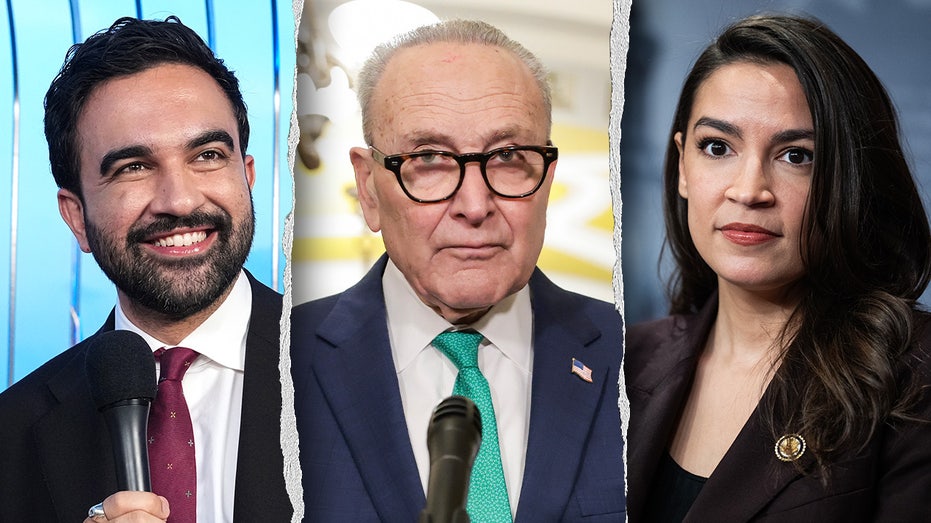
A Senate Republican has warned that the recent surge of radical leftist ideology within the Democratic Party will have a lasting impact on the party's future, particularly in the 2028 presidential election. This shift is expected to redefine the party's primaries, with candidates who embrace this ideology dominating the landscape. The senator's comments come amid a trend of insurgent progressive and far-left candidates toppling more moderate incumbents in primary contests.
The recent primary contests in New York City have been cited as an example of this trend, where Mayor Zohran Mamdani's chosen candidates made a clean sweep in June. Two incumbents, Reps. Dan Goldman and Adriano Espaillat, were defeated by progressives with Mamdani's endorsement. This shift is not isolated to New York, as other far-left candidates, such as Abdul El-Sayed in Michigan, are making waves in their respective primary fights.
The senator contends that the Democratic Party's position on immigration is a key factor in defining their policies and candidates moving forward. The party has abandoned more centrist arguments on the issue, once championed by former leaders like Bill Clinton and Harry Reid. Instead, Senate Democrats are embracing a more radical approach, which is expected to shape the party's platform in the 2028 election.
The shift in the Democratic Party's ideology is also expected to have implications for its current leadership. Senate Minority Leader Chuck Schumer, who was mentored by Harry Reid, may face a primary challenge from a more progressive candidate, such as Rep. Alexandria Ocasio-Cortez. The senator warns that Schumer's survival as minority leader will depend on his ability to navigate the changing political landscape within his own party.
The rise of radical leftist ideology within the Democratic Party is seen as a significant threat to the party's more moderate elements. The senator's comments suggest that the party's primaries will become increasingly dominated by candidates who embrace this ideology, which could have far-reaching consequences for the party's future. As the 2028 presidential election approaches, the Democratic Party's ability to balance its more moderate and radical elements will be closely watched.