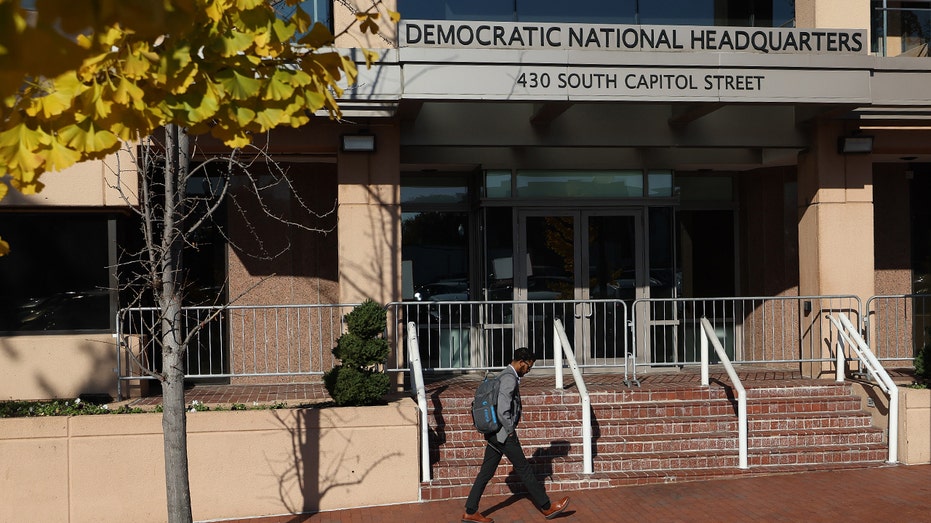
The Democratic National Committee has taken out a $15 million loan, using its headquarters as collateral, in an effort to stay financially afloat ahead of the midterm elections. This move is not unprecedented, as the committee has used its property as collateral in previous years. However, the current loan is the largest ever taken out by the committee for an off-year election. The terms of the loan allow the DNC to withdraw an additional $5 million beyond the initial $15 million.
The DNC's decision to take out a loan comes as the committee struggles to keep pace with the Republican National Committee's fundraising efforts. The financial gap between the two parties, as well as the DNC's higher-than-usual debt load, could limit its ability to support candidates in the midterm elections. As of June 30, the DNC has $18.5 million in debt against just $16.3 million in cash on hand.
In comparison, the Republican National Committee has $128.5 million in cash with no debt as of June 30. The DNC's heavy debt load has been accompanied by some cuts to spending, including the decision not to make traditional transfers to House and Senate campaign committees. The committee's financial troubles have also led to some unusual moves, such as asking its leadership team to sign nondisclosure agreements ahead of a meeting about the party's finances.
Despite the financial challenges, individual Democratic candidates running in key elections have raised significantly more money than their Republican counterparts. However, the DNC's leadership has faced criticism for its handling of the committee's finances. Some staff members have expressed concerns about the committee's ability to pay off its debt, and there have been reports of infighting and leaks within the organization.
The DNC's chair has remained publicly optimistic about the committee's finances, pointing out that the current DNC has raised the most money of any DNC without the White House in the party's history. However, internally, some staff members do not share this assessment, and there are concerns about the committee's ability to compete with the Republican Party's larger war chest.
The DNC's financial troubles have also led to some scrutiny of its spending decisions, including the decision to spend nearly $1 million on party work in U.S. territories that will not have a bearing on the outcome of the midterm elections. The committee has defended this spending as necessary, but it has raised questions about the DNC's priorities and financial management.