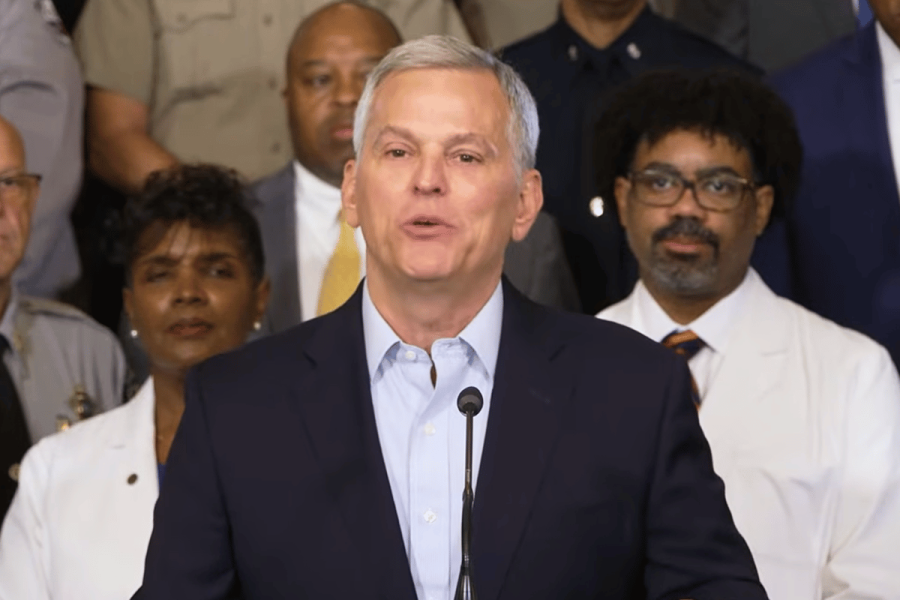
Governor Josh Stein signed Senate Bill 257 on Tuesday, enacting North Carolina’s first comprehensive state budget in more than two years. The legislation allocates significant resources to education, health care and public safety while also overhauling the tax structure for the state’s gambling sector.
Stein highlighted the budget’s focus on teacher compensation, noting the largest starting salary increase in nearly five decades and the most substantial overall raise in fifteen years. The plan also fully funds Medicaid for the fiscal year and delivers historic salary boosts for public‑safety personnel.
A key gambling‑related provision raises the tax on licensed online sportsbooks from 18 percent to 23 percent. This marks the first increase since online sports betting became legal in the state in 2024.
The budget introduces a new 6 percent tax on net trading‑fee revenue generated by federally regulated prediction‑market operators. The tax applies to platforms that offer contracts tied to sporting events, elections and other real‑world outcomes, without creating a state licensing framework.
North Carolina thus joins a small group of states that directly tax prediction markets while leaving regulatory oversight to the federal Commodity Futures Trading Commission. Operators will continue to function under existing federal rules, not state‑level regulation.
The differing tax rates have sparked debate. Proponents argue the measures capture revenue from a growing industry already subject to federal oversight, while critics contend that the lower 6 percent rate and lack of state regulation could give prediction‑market firms a competitive edge over traditional sportsbooks.
Stein acknowledged imperfections in the budget, citing cuts to vacant positions that support recovery efforts in western North Carolina and environmental initiatives. He affirmed that, despite these shortcomings, the overall package represents meaningful investment in the state’s residents.
With the governor’s signature, the increased sportsbook tax becomes effective immediately, and the new prediction‑market tax positions North Carolina among the first states to incorporate federally regulated prediction‑market operators into its tax system.