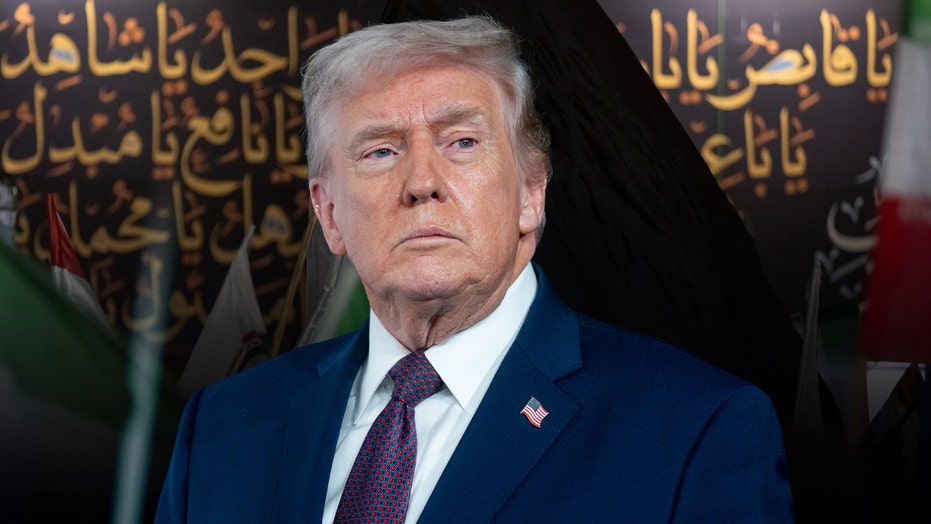
The United States and Iran have traded strikes in the Middle East, with U.S. President Donald Trump declaring that the memorandum of understanding with Iran "is over." Trump made the remarks at the NATO summit in Turkey, adding that negotiators can "keep talking if they want," which suggests doubt about the status of ongoing trade talks.
Iran's Islamic Revolutionary Guard Corps claimed responsibility for attacking U.S. military targets in Bahrain and Kuwait in response to American strikes on Iran. Trump described Iran as "evil, sick people" and "they're scum," citing their attacks on commercial vessels in the Strait of Hormuz as a violation of the ceasefire.
The U.S. reimposed sanctions on Iranian oil after attacks on ships near the Strait of Hormuz. Iran's president, Masoud Pezeshkian, responded by comparing the U.S. government's conduct to its behavior as host of the FIFA World Cup, stating that Iran rejects games and stands firmly for its rights.
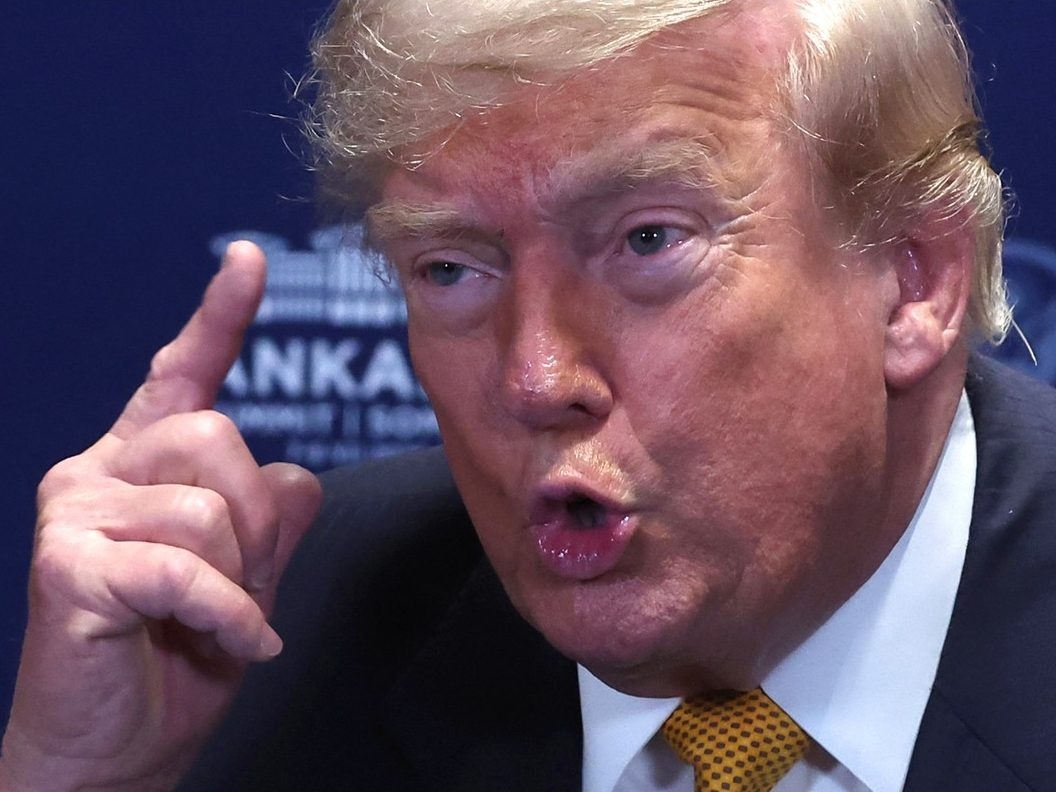
NATO Secretary-General Mark Rutte said the strikes between the U.S. and Iran were "absolutely necessary," accusing Iran of violating the ceasefire agreement. However, Iran's chief negotiator, Mohammad Ghalibaf, accused the U.S. of violating the ceasefire, stating that the era of bullying and extortion is over and that Iran does not fold.
Iran has listed several major MOU violations by the U.S., including violating Iranian adjustments in the Strait, persistent threats of further strikes, reinstating oil sanctions, and attacks on southern Iran. The U.S. has continued to threaten Iran, citing its actions as a reason for the strikes.