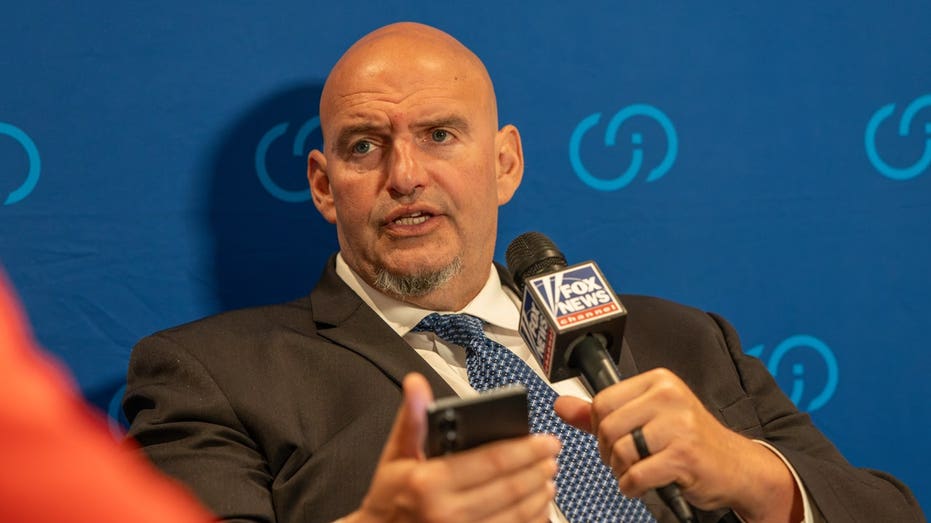
On July 29, 2026, Dr. Anthony Fauci testified before a Senate committee, during which he reaffirmed his commitment to public service and addressed claims that his statements about the COVID‑19 pandemic had been misleading.
Senator Rand Paul, chair of the Senate Homeland Security Committee, released a series of private diary entries from Fauci dated December 2019 through December 2022 as part of an ongoing oversight investigation.
The diary entries reportedly contain remarks that contrast with public statements Fauci made to lawmakers, suggesting that the virus’s fatality rate might have been lower than the figures presented to the public.

During a March 2020 hearing before the House Oversight Committee, Fauci cited a worldwide mortality estimate of about 3%, and later discussed a more precise figure of roughly 1% when accounting for asymptomatic cases.
One private entry notes a conversation with former CDC Director Tom Frieden, in which Fauci reportedly described the outbreak as resembling a severe flu season with a case‑fatality rate of 0.2 to 0.3 percent.
Critics argue that these private views were inconsistent with the public policy decisions that followed, including business closures, school shutdowns, mask mandates, and lockdown measures.

Public health researchers, including Dr. Jay Bhattacharya and colleagues, published studies in 2020 indicating that widespread undercounting of infections could lower the infection‑fatality rate relative to confirmed case counts.
The release of the diary entries and the apparent discrepancies in Fauci’s statements have prompted calls for a deeper examination of his role and the decision‑making process during the pandemic.
Fauci is scheduled to testify before the Senate committee later that week, where questions will focus on the diary entries and broader oversight concerns.