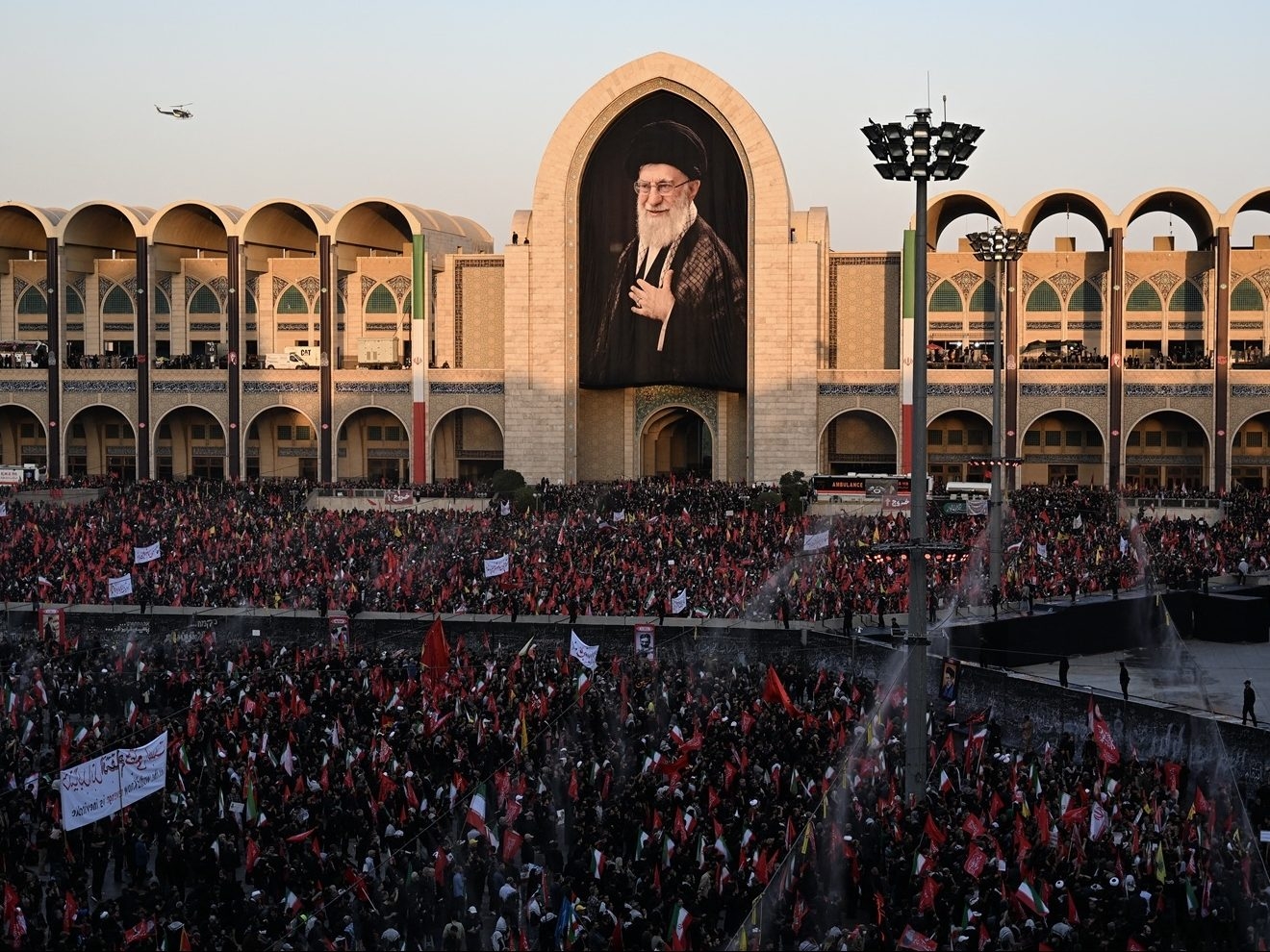
The recent funeral events in Tehran, Iran, have been marked by intense emotions and strong words against US President Trump. One individual in the crowd reportedly referred to Trump as the "most b—— man in the world still alive," sparking heated reactions.
Poet Mohammad Rasouli also spoke out, stating that "the world is no longer a good place" for Trump. These sentiments reflect the deep-seated tensions between the US and Iran, which have been escalating in recent months.
Meanwhile, Iranian parliamentary Speaker Mohammad Bagher Ghalibaf met with senior Hezbollah officials, emphasizing the importance of support for their armed proxies as an "Islamic and revolutionary duty." Ghalibaf also hailed Hezbollah's role in the US-Iran war as a "historic turning point," citing the need to protect the "Resistance Front and Lebanon" as a "red" line in negotiations with the US.
Hezbollah has been involved in a series of strikes with Israel in southern Lebanon, further escalating the conflict. The situation remains fragile, with the US and Iran engaged in a delicate dance of diplomacy.
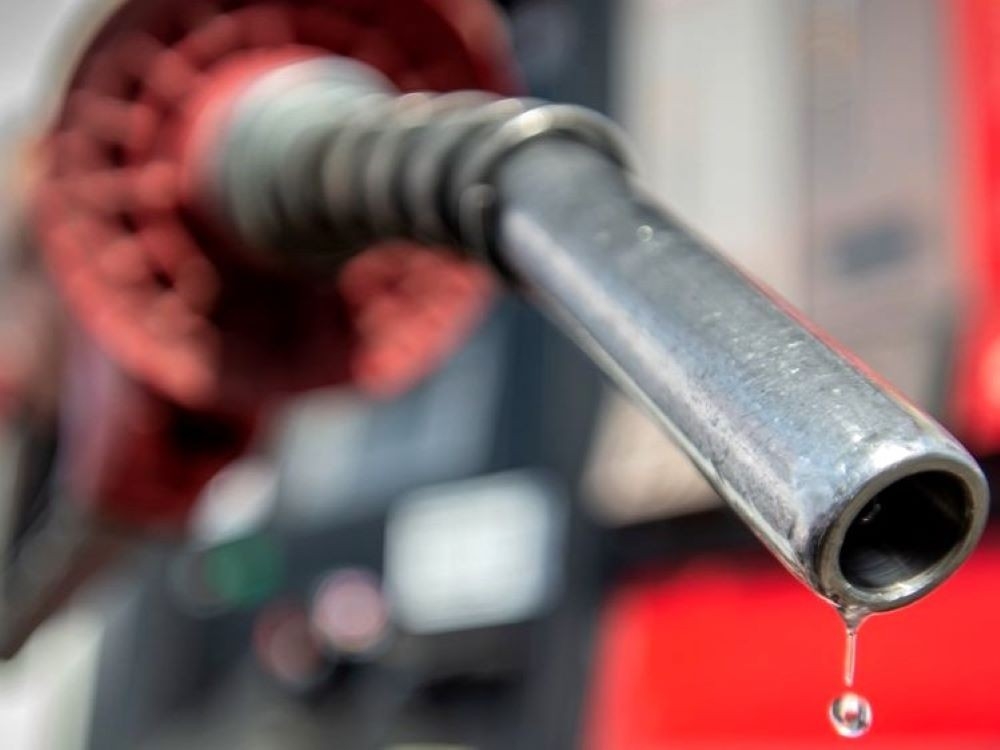
Despite the tensions, several OPEC+ members have raised oil production quotas, despite the ongoing conflict. The decision was made by officials from Saudi Arabia, Russia, Iraq, Kuwait, Kazakhstan, Algeria, and Oman, who agreed to implement a production adjustment of 188,000 barrels per day in August.
This move is a stark contrast to the oil output cuts implemented by Gulf countries when Iran shut down the Strait of Hormuz in response to US and Israeli strikes. The situation remains volatile, with the Strait of Hormuz a critical waterway for global oil trade.
The US Navy has suspended its search for a missing helicopter crew member who plunged into the Arabian Sea on Wednesday. The extensive search and rescue effort, which spanned over 14,000 square miles, was unable to recover the missing crew member, despite efforts by the Navy and Air Force.
The incident has highlighted the risks faced by military personnel in the region, where tensions between the US and Iran remain high. The US Navy's decision to suspend the search reflects the complexity and danger of the situation.
Qatar and Iran have announced plans to resume maritime trade, with goods set to flow between Qatari and Iranian ports immediately. The decision is seen as a major breakthrough in mediating the dispute between the US and Iran, with Qatar playing a key role in facilitating the talks.
Iran has also announced plans to reward allies with special treatment when the country begins charging new "service fees" to transit the Strait of Hormuz. The move is seen as a gesture of goodwill towards countries that supported Iran during its war with the US.
The announcement came during a forum in Beijing, although it remains unclear when the charges will take effect. Iran's Ambassador to China Abdolreza Rahmani Fazli also revealed plans to work with Oman on a deal to manage traffic in the strait.
Reports suggest that Israeli Prime Minister Benjamin Netanyahu will meet US President Trump in Washington as early as next Monday. The peace deal between Iran and the US is set to top the agenda, along with a new security deal for Israel that includes funding of around $3.8 billion per year from the US.
The development comes after Trump told Axios that Netanyahu "knows who the boss is." The meeting is seen as a significant step towards normalization of ties between Israel and Saudi Arabia, which has been a key goal of the US administration.