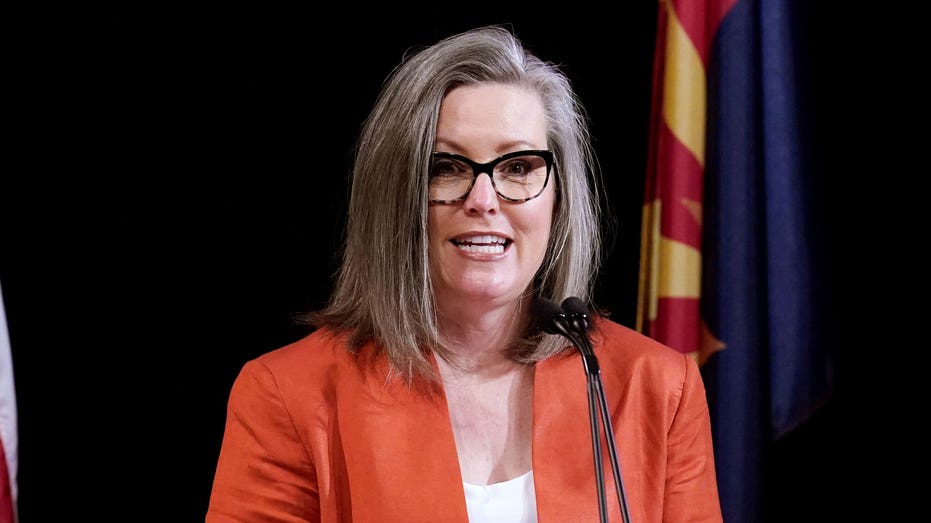
Arizona Governor Katie Hobbs’ reelection campaign reported spending more than it raised during the second quarter of 2026, expending over $7.4 million in three months.
The campaign began the quarter with approximately $7.18 million in cash, raised an additional $2.64 million, and ended with about $2.38 million remaining after spending more than $7.44 million.
Much of the outlay was directed toward communications, television advertising, and services from outside campaign firms.
A prominent GOP activist criticized the spending, labeling it as reckless and suggesting it reflected a lack of organic support for the campaign.
The activist argued that the heavy reliance on paid media and consultants, rather than grassroots energy, could undermine the campaign’s sustainability.
Hobbs narrowly won the governorship in 2022 and faces a contested general election against Republican Representative Andy Biggs, who secured the GOP nomination in a primary that attracted several challengers.
Biggs’ campaign seized on the governor’s spending figures, describing the expenditure as a “burn rate” that could be detrimental to the campaign’s prospects.
In response, the governor’s campaign manager highlighted the support received from grassroots donors across all 15 counties and emphasized a continued focus on community outreach.
The campaign also used targeted advertising to address issues such as the state’s rape‑kit backlog and the release of certain investigative files.
Beyond the immediate race, the activist noted that the governor’s financial position could impact other Democratic candidates, given Arizona’s lack of a Senate race this cycle to bolster fundraising.
He also stressed that Republicans should invest in battleground states now to build the organizational foundation needed for future presidential contests.
Overall, the financial dynamics of the Arizona gubernatorial race highlight the broader strategic considerations facing both parties as the 2026 election cycle progresses.