Ontario introduced new speed limits for commercial vehicles effective June 26, setting a maximum speed of 105 km/h while passenger vehicles increased to 110 km/h. The change aims to improve road safety across the province.
The president and CEO of the Ontario Trucking Association, Stephen Laskowski, welcomed the cap but raised concerns about enforcement. He noted that the current measures may not be rigorously applied.
Laskowski argued that limiting truck speeds to 105 km/h reduces collision risk, improves fuel efficiency, and lowers driver stress. These benefits contribute to safer highways for all road users.
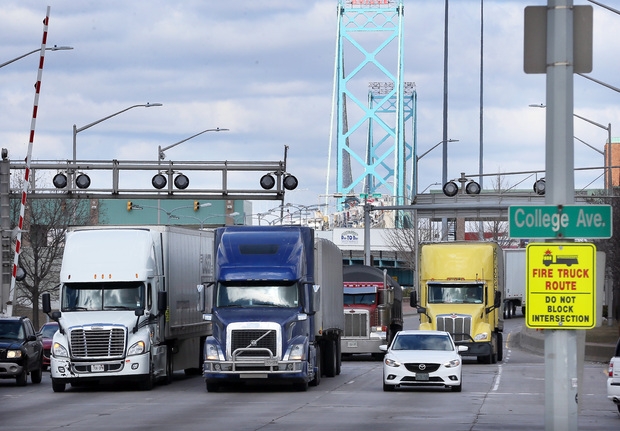
To strengthen compliance, the government increased the minimum fine for speed limiter violations from $250 to $1,000. The higher penalty is intended to deter non‑compliance.
Ontario hosts approximately 250,000 Class 8 trucks, and the association represents roughly half of their drivers. This substantial membership underscores the industry's stake in speed regulation.
Digital monitoring technology exists that can verify the operation of speed limiters on nearly every truck. However, enforcement requires active inspection stations to confirm compliance.
Laskowski called for inspection stations to operate 24/7 and to be equipped with the necessary tools for rapid checks. Such measures would allow authorities to enforce the speed cap more effectively.
The association has collaborated on a plug‑in system that checks limiter status in less than a minute. If a truck lacks an active limiter, it can be fined or grounded, according to the new regulations.
Studies show that trucks equipped with speed limiters are significantly less likely to be involved in collisions. In one survey, vehicles without limiters were nearly 50 percent more likely to collide.
Laskowski emphasized that the priority is road safety for both truck drivers and other motorists. The cap and enforcement improvements aim to protect all users of Ontario’s highways.