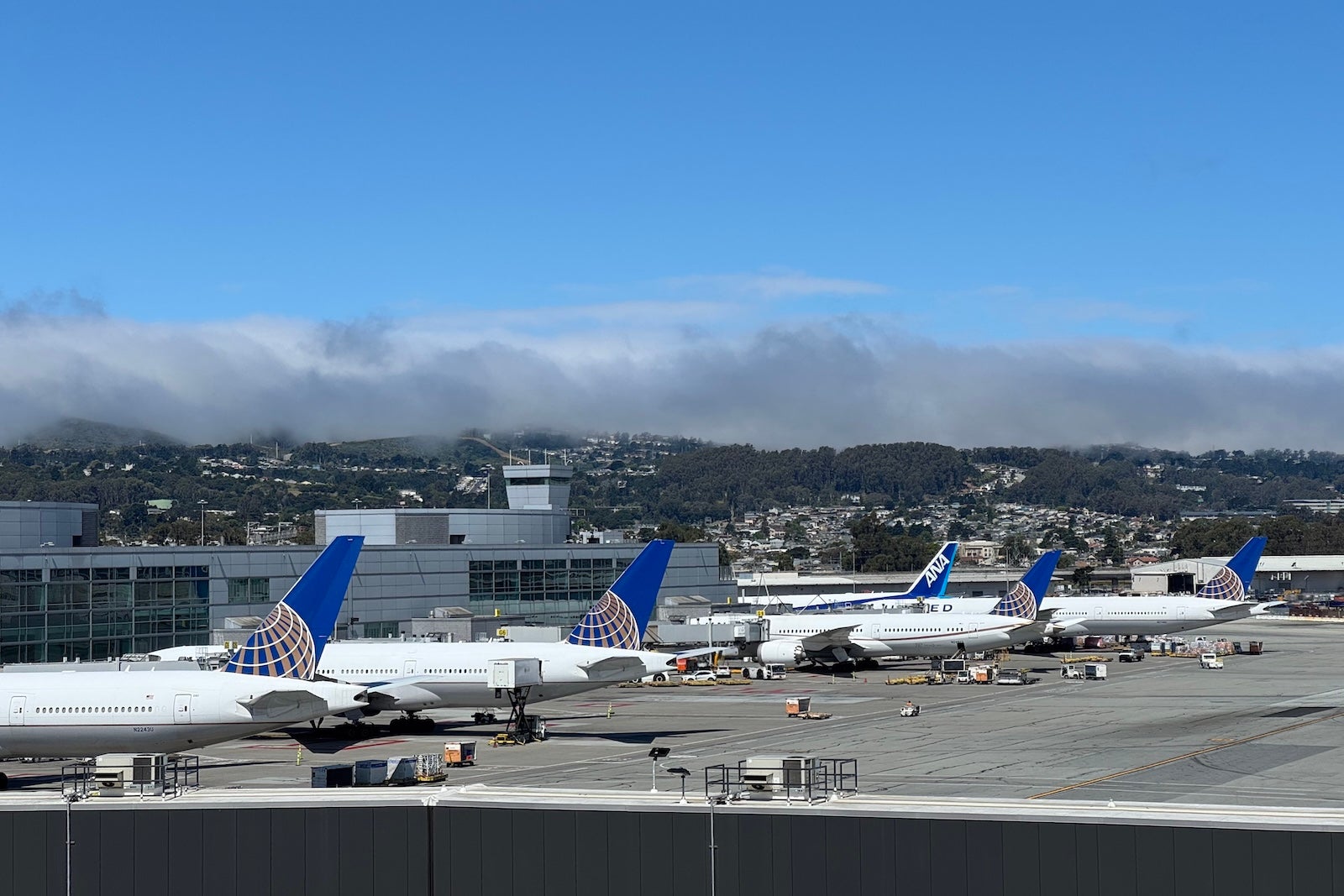
San Francisco International Airport is poised for operational relief after months of severe flight disruptions, according to the airport's dominant carrier.
Since April, travelers have faced widespread delays at the Bay Area hub due to runway construction and new federal flight restrictions.
Last month, one in three flights into San Francisco arrived at least 15 minutes late. Over the past three months, significant delay rates rose 60% compared with the first quarter.
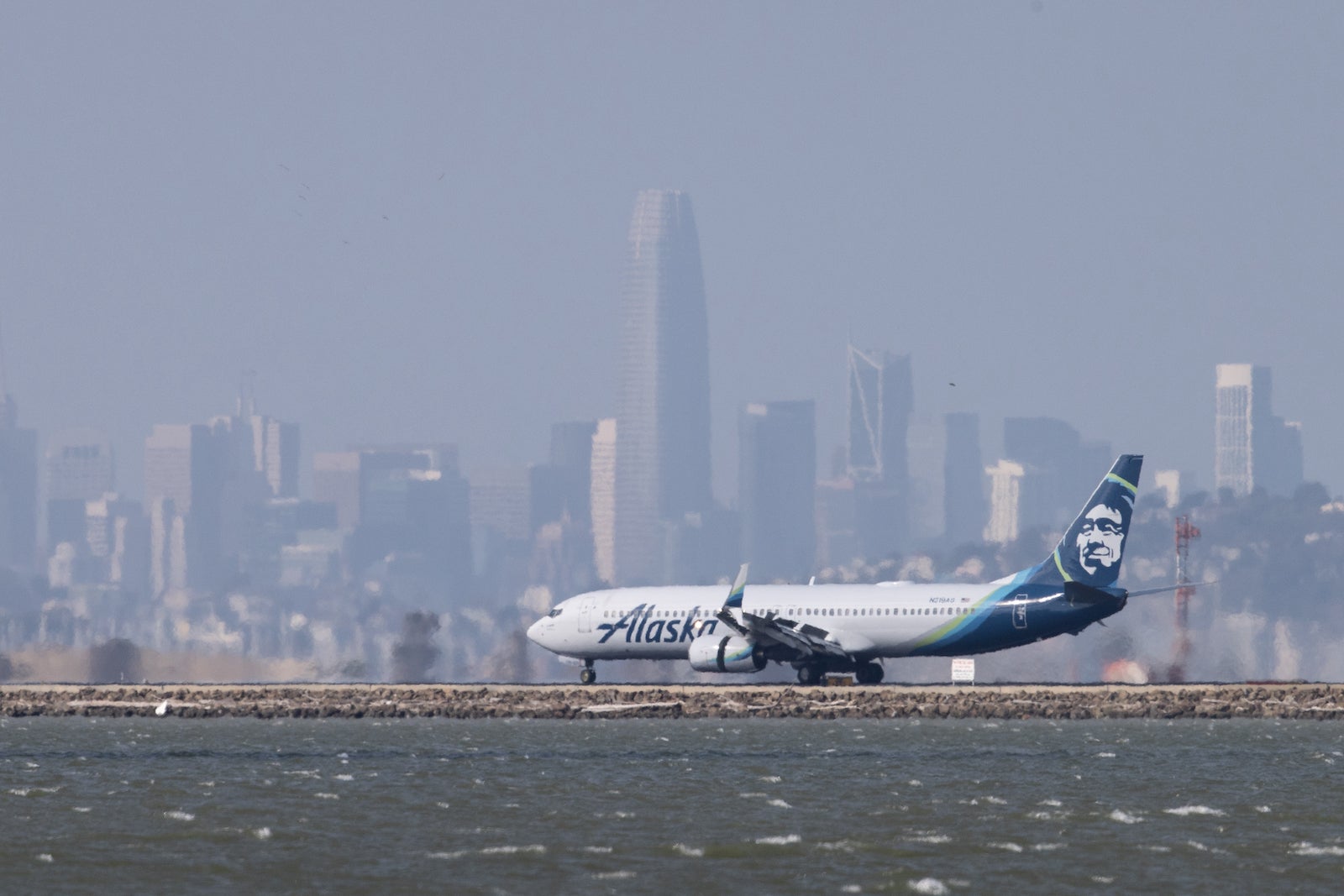
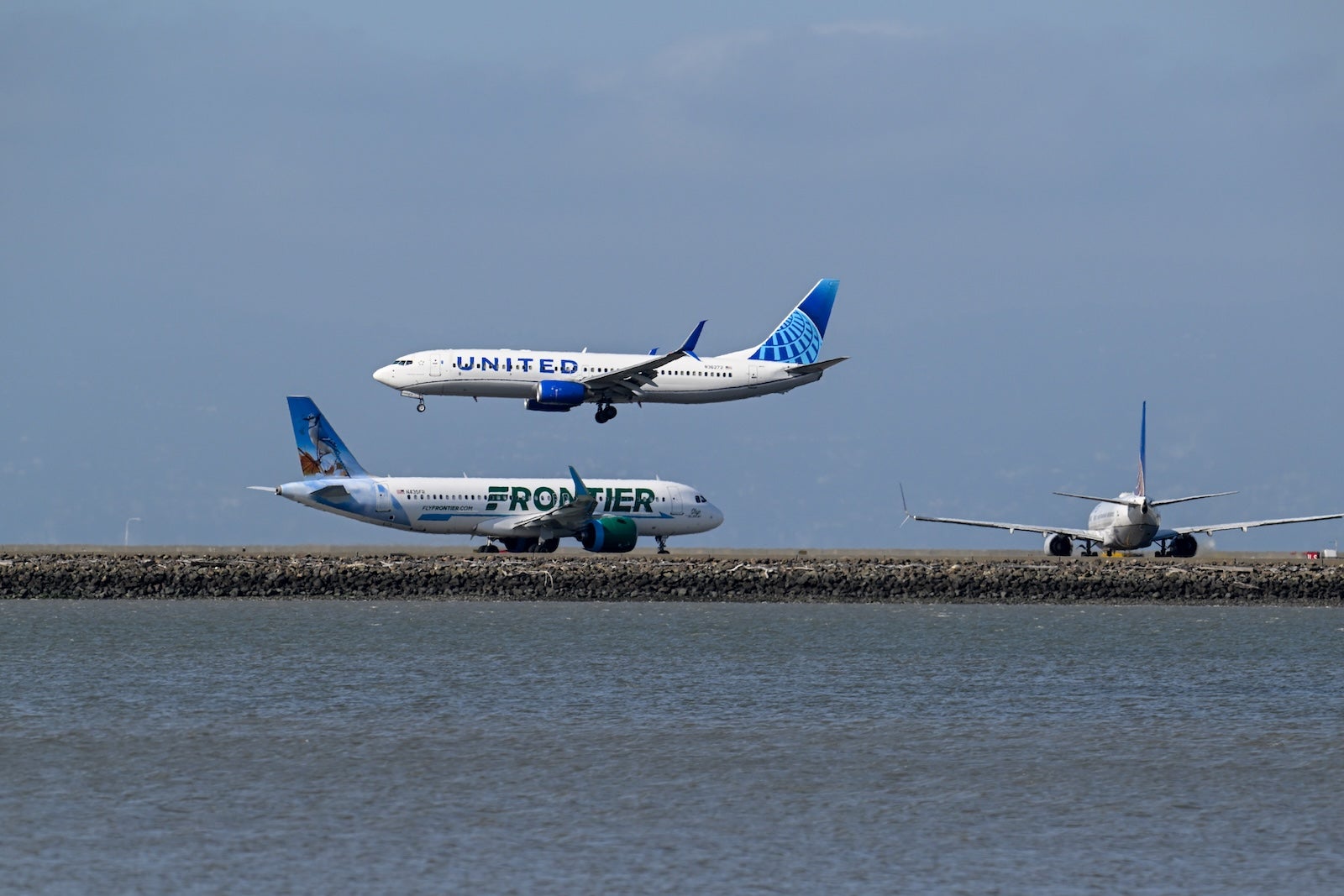
The airport's two north-south runways are being repaved and are expected to remain out of service until fall. In late March, the Federal Aviation Administration banned simultaneous side-by-side landings on parallel runways, cutting hourly landing capacity.
The restriction has forced aircraft into holding patterns and increased missed connections. On Monday, 45% of inbound flights were delayed, followed by 40% on Wednesday and widespread ground delays averaging 55 minutes by Thursday afternoon.
United Airlines said it has collaborated with the FAA on a new approach to raise the number of hourly landings at the airport. A senior operations executive said improvements should appear within two to three weeks, though full recovery remains uncertain.
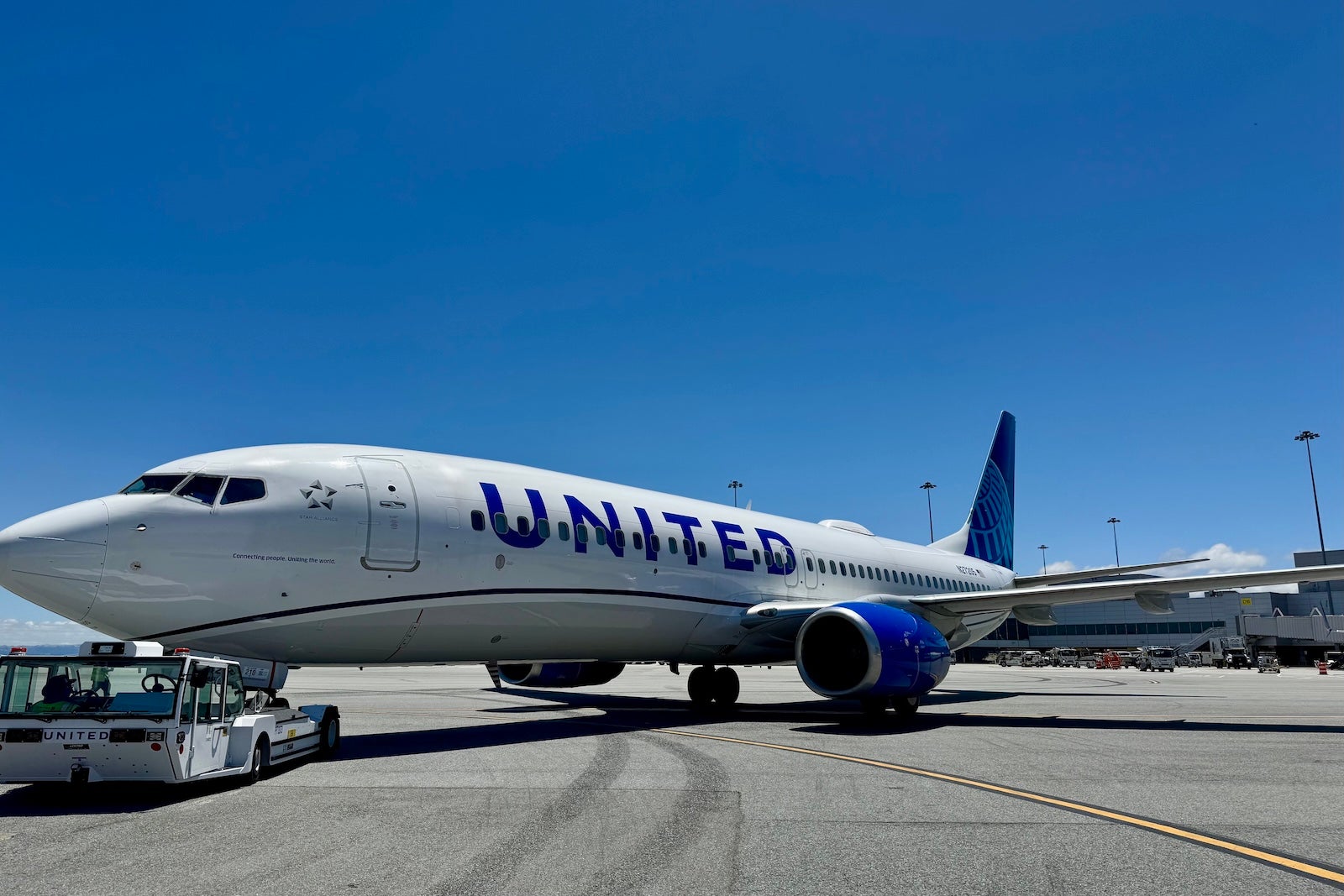
The carrier's chief executive noted that the conclusion of runway construction in October will further ease congestion. He described the paving work as a primary driver of recent disruptions.
Even before this summer, federal regulators classified San Francisco as one of the nation's most capacity-constrained airports. Unlike some East Coast hubs with strict takeoff and landing slots, it is one of four major U.S. airports with tightly managed schedules due to congestion.
The other three are also United hubs: Chicago O'Hare, Los Angeles, and Newark. O'Hare has faced its own FAA flight restrictions this summer amid construction, with limitations extended through 2027.