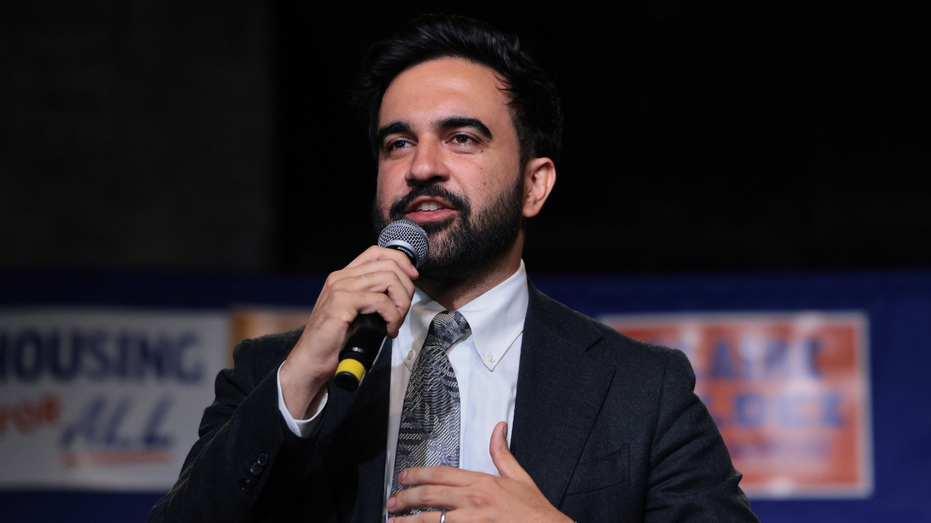
The city’s Rent Guidelines Board approved a comprehensive rent freeze, affecting roughly one million rent‑stabilized apartments, with a single dissenting vote from board member Arpit Gupta.
Gupta, an associate professor of finance at New York University, warned that the policy could gradually erode the condition of older rent‑stabilized buildings by stripping landlords of essential revenue for capital improvements.
He cautioned that reduced income may lead to deferred maintenance, missed mortgage and insurance payments, and delayed property tax obligations, potentially resulting in ownership transfers to banks or the city through tax lien sales.
Board chair Chantella Mitchell acknowledged rising property‑tax and insurance costs for landlords but maintained that most owners remain capable of meeting these expenses.
Gupta agreed that many landlords are financially stable but emphasized that older properties, which rely almost entirely on regulated rents, face a disproportionately higher burden than newer mixed‑income buildings.
The current freeze applies to one‑ and two‑year leases beginning October 1, 2026, through September 30, 2027, and could prevent rent increases until as late as September 2029.
Gupta described the blanket freeze as a blunt instrument that fails to address the broader affordability crisis, advocating instead for targeted assistance to tenants while permitting financially strained buildings to raise rents where necessary.
He noted that about 30 percent of rent‑stabilized tenants earn six‑figure incomes, while many market‑rate renters fall below the poverty line, creating an imbalance in the distribution of benefits.
Existing rent‑freeze programs for senior citizens and disabled residents, he argued, should be expanded to include low‑income households beyond the rent‑stabilized sector.
Gupta also warned that the freeze may encourage landlords to leave units vacant; recent data showed over 57,000 stabilized apartments were vacant in April 2025, a figure he believes reflects owners’ inability to recoup renovation costs.
Landlords attribute declining revenues to the 2019 Housing Stability and Tenant Protection Act, which eliminated the vacancy bonus that previously allowed up to a 20 percent rent increase after a tenant vacated a unit.
While acknowledging tenant hardship, Gupta highlighted that the board has set rents below estimates of building cost increases, below the consumer‑price index, and even below city wage growth during his tenure.
City spending on one‑time tenant back‑rent assistance rose from $102 million in 2022 to $555.8 million in 2025, and 62 percent of evictions last year occurred in buildings with rent‑stabilized units.
Gupta rejected claims that the mayor directed the board’s vote, noting that the mayor appointed six of the nine members in February and that board members reported independent decision‑making.
His view contrasts with that of another recent appointee who resigned, describing the board as reshaped to deliver a rent freeze rather than serve as a fact‑finding body.
Looking ahead, Gupta expressed concern that the freeze could be extended indefinitely without clear criteria for future rent adjustments, questioning whether additional freezes are being planned.
When asked about the temporary nature of the freeze and its impact on building finances, the board chair declined to comment beyond her official statement following the vote.