As the summer months bring travel and vacation, it's easy to let our guard down and leave cybersecurity worries behind. However, bad actors don't take a break, and they're counting on your lax habits. Fortunately, making a few small adjustments can help you enjoy your time off without worrying about cyber threats.
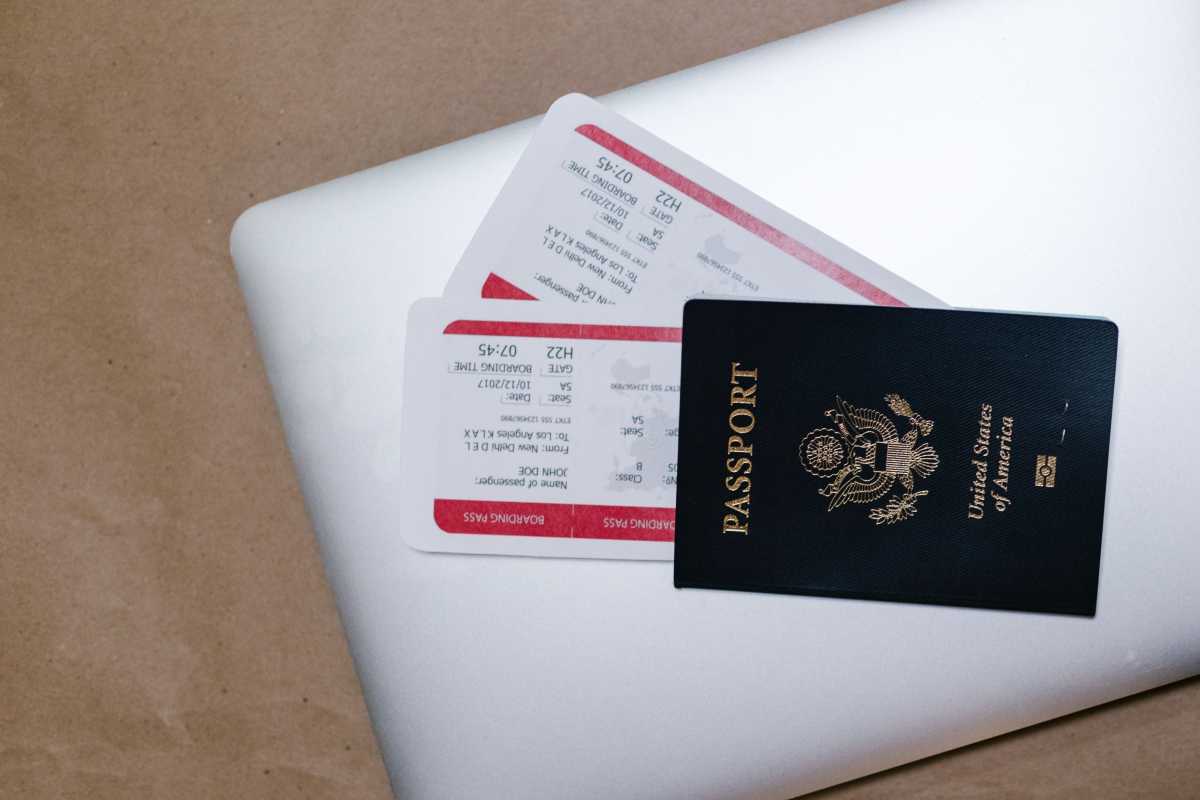
Your boarding pass can reveal a lot about you, including your birth date, passport number, and frequent flyer number. Airlines encode this information into the barcode, which is not visible on the pass. If you're flying with Frontier Airlines, a copy of your QR code can be used to pull sensitive information stored in your account, such as your credit card number and physical address. To avoid this, shield your screen or printed ticket from everyone but the gate agent and avoid posting images of your boarding pass on social media.
When using a shared PC at a hotel or public place, you're taking a risk. These computers can be compromised with malware that captures everything typed, including passwords. Some printers also retain copies of print jobs, which can reveal your personal information. To minimize this risk, skip public PCs and printers whenever possible. If you must use a public PC, use an incognito browser window and log in with a passkey instead of a password.
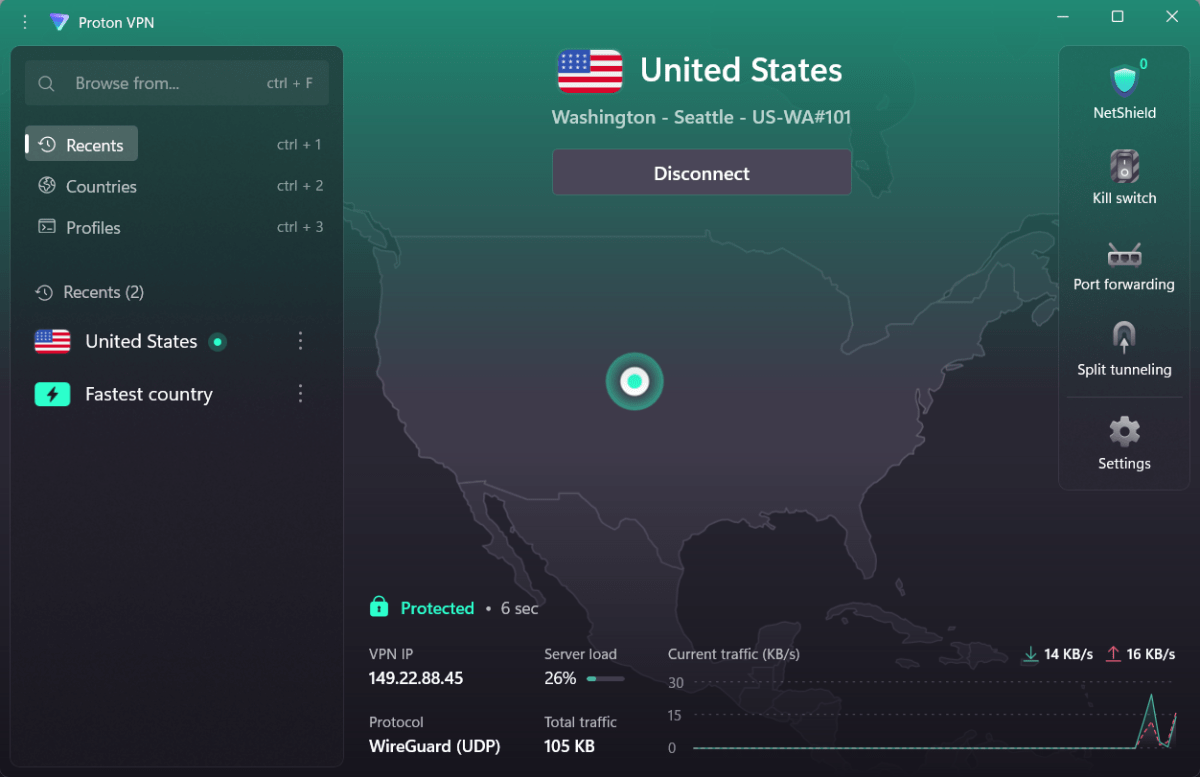
Public Wi-Fi can be a hotspot for cyber threats. Other people on the network may try to spy on your activity, and you may accidentally connect to a fake free Wi-Fi network. While most website connections are now encrypted by default, a handful still rely on unencrypted connections. To stay safe, use your cell data for sensitive activities like banking or medical needs. When this isn't possible, use a VPN to encrypt all your activity and hide the sites you're visiting from any network observers.
When traveling, it's also essential to be mindful of your phone's safety. "Juice jacking" is a tactic used to access saved data on a phone or to put malware on one. To avoid this, use your own USB charger whenever possible. If you don't have access to a secure charger, power off your phone before using a public charger as a safety precaution.