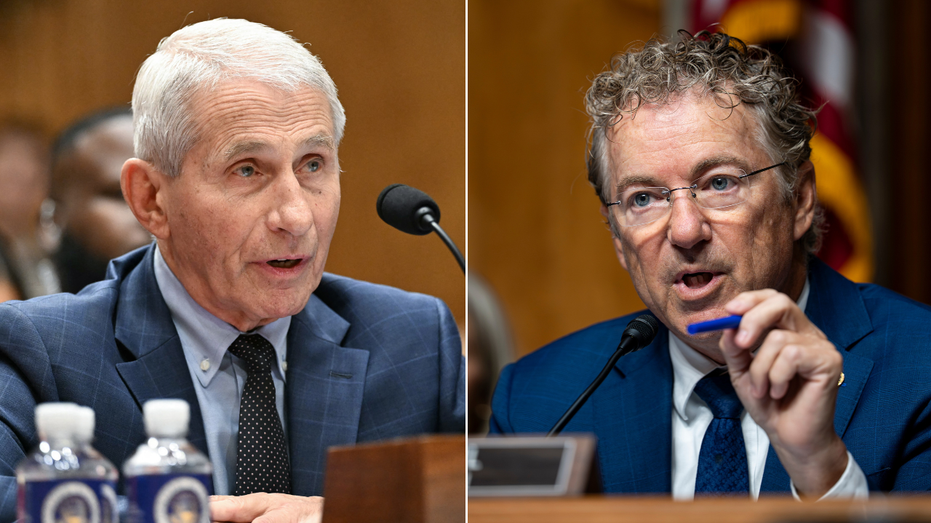
A Senate committee hearing this week saw Dr. Anthony Fauci, the long‑time head of the National Institute of Allergy and Infectious Diseases, invoke the Fifth Amendment 111 times while testifying before a Homeland Security and Governmental Affairs panel.
Committee chairman Rand Paul warned that Fauci’s refusal to answer questions could lead to a contempt of Congress determination, stating that obstruction of a congressional inquiry is unlawful.
Fauci began with a brief statement before repeatedly citing his legal rights. He declined to respond to questions about his personal diary, the origins of the pandemic, and even routine topics such as the day of the week or the color of his tie.
Senator Josh Hawley posed seemingly trivial questions—about the day, a tie’s color, and carpeting—to test whether Fauci’s Fifth‑Amendment shield applied to non‑relevant inquiries. If Fauci had answered, the shield might have been deemed inapplicable.
The legal debate hinges on a 1896 Supreme Court ruling that a witness may not rely on the Fifth when the question is both potentially incriminating and could be used as a pardon, suggesting that even routine questions could compel testimony.
A similar scenario unfolded in 2014 when IRS official Lois Lerner invoked the Fifth during a House Oversight hearing, yet was later held in contempt and referred to the Justice Department, though no prosecution ensued.
For a contempt resolution to move forward in the Senate, it requires a simple majority but must also clear a filibuster, a hurdle that often limits such actions compared to the House.
The committee plans to send a resolution to the Department of Justice, which would decide whether to prosecute. Past referrals to the DOJ under different administrations have yielded varied outcomes.
The outcome will depend on whether the Justice Department chooses to act, potentially sparking a significant legal dispute over Fauci’s rights and the applicability of his presidential pardon.
Until a decision is made, the question remains whether Fauci’s repeated silence will be deemed lawful or subject to congressional and judicial scrutiny.