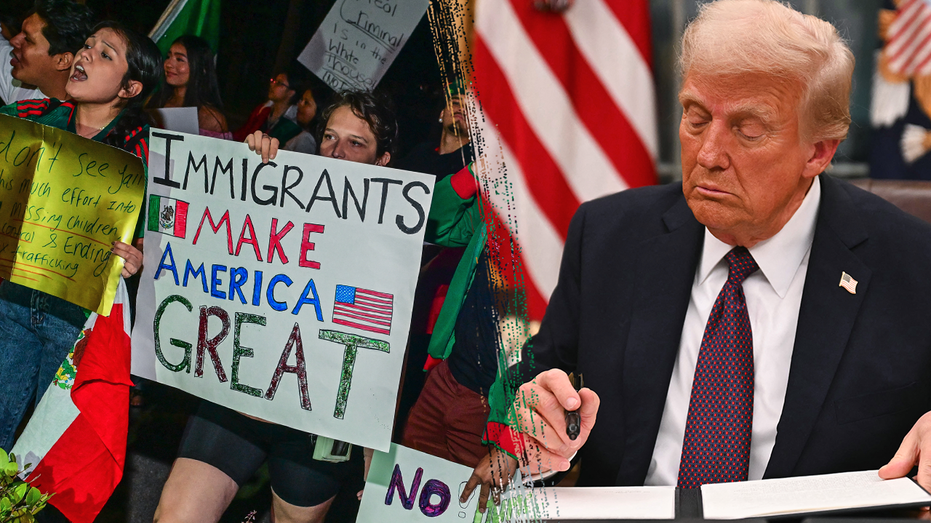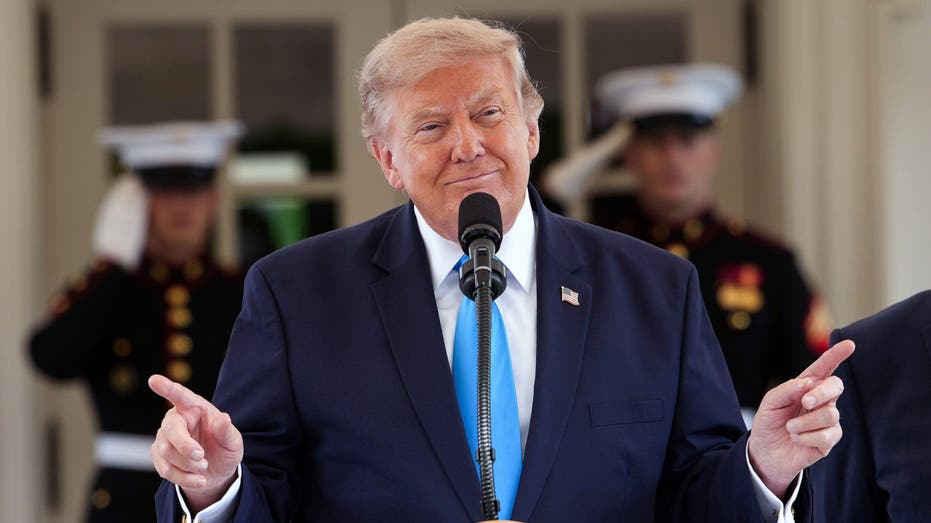
Republican lawmakers are raising concerns that President Donald Trump’s demand to cancel the August recess could jeopardize the party’s performance in the upcoming midterm elections.
As the midterm campaign accelerates, the most sought‑after legislative initiative from the White House, the SAVE America Act, remains stalled. Trump has urged the Senate to stay in Washington until the bill is enacted, but many GOP members see the political reality differently.
The party’s focus is shifting toward returning to the campaign trail, where they can highlight achievements rather than shortcomings. Cancelling the recess would deny legislators the opportunity to engage with voters, a move described as tone‑deaf by some senior senators.
Senator Thom Tillis emphasized that maintaining the Senate’s presence is crucial for preserving majorities and preventing voter regret. He warned that a decision to cancel could mirror past losses in 2020.
Other senators, however, support remaining in Washington until the SAVE America Act passes, whether through budget reconciliation or filibuster reform. Their stance reflects a belief that staying could influence the bill’s outcome.
The pressure from the administration and the broader political climate forces incumbents to choose between returning home and accepting defeat or staying to push a stalled piece of legislation.
Many GOP members recognize a mathematical shortfall: the party lacks sufficient votes to pass the act. Consequently, staying in Washington may not alter the bill’s prospects.
Senator John Cornyn expressed that remaining would likely be a futile effort, though he noted that a reelection bid might change his decision to stay.
Both Cornyn and Tillis are retiring, adding further complexity to the debate over whether to remain in the capital or return to their districts.
Other vulnerable Republicans, such as Senators Jon Husted and Dan Sullivan, have actively championed the SAVE America Act while weighing the impact of a potential recess cancellation.
Husted preferred to be back in Ohio to connect with constituents, while Sullivan chose not to comment on the president’s push to cancel the recess.
Senators with less competitive races also support the legislation but acknowledge that it will not advance without shifting the positions of a group of Republicans and some Democrats.
Senator Roger Marshall indicated a willingness to stay an additional week or ten days if it could alter the bill’s trajectory, noting that the base expects a vigorous effort to secure voter approval.
The decision to cancel or extend the recess carries significant implications for the GOP’s electoral prospects, with potential repercussions for the party’s ability to maintain control of the Senate and House in the midterms.