
Microsoft has announced a renewed focus on PCs equipped with 8 GB of RAM, positioning the configuration as a baseline for future devices.
The head of Windows and Devices highlighted investment in voice technology, family‑centered features, and an improved out‑of‑the‑box experience, while also prioritizing memory optimization for 8 GB and larger systems.
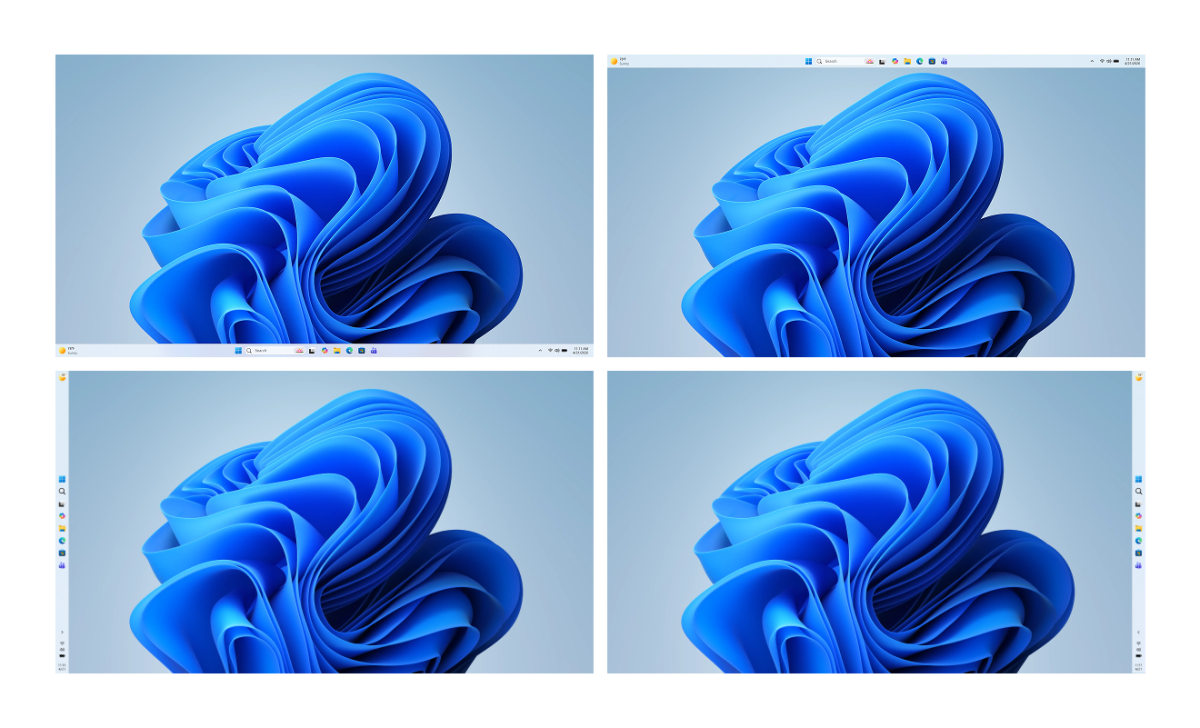
Earlier this year, the company pledged enhancements to Windows’ speed, stability, and update control, along with a redesign of the Start menu and taskbar to offer greater flexibility.
Subsequent updates included revisions to the Windows Insider program, streamlined widgets, and changes to File Explorer, all aimed at refining the user experience.
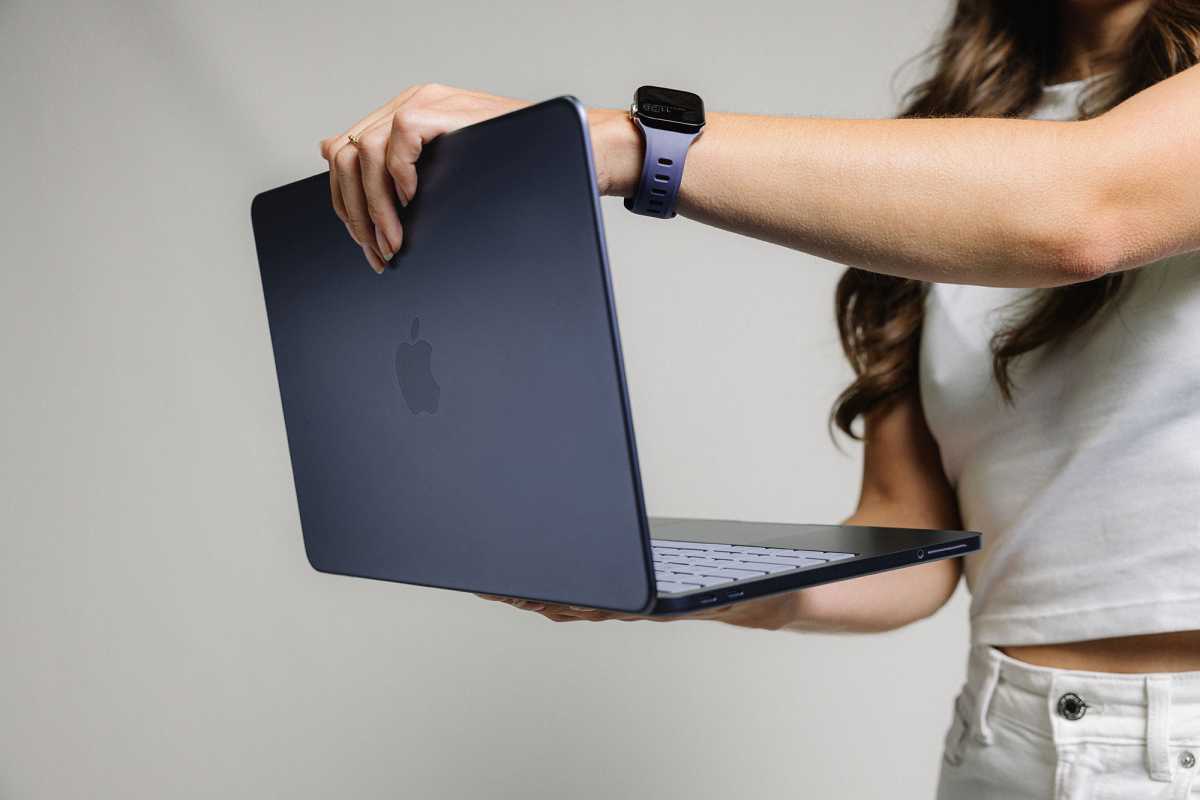
Memory efficiency has become a strategic priority as competitors introduce 8 GB Macs that leverage tight OS‑hardware integration; Windows has historically struggled to deliver comparable performance on low‑memory machines.
Improving the WinUI 3 framework is central to this effort, with developers working to reduce memory overhead across apps, Chromium, and WebView2 components.
The company plans to continue these optimizations through the end of 2026, emphasizing the importance of user feedback in shaping future releases.
Key focus areas include faster onboarding, reduced memory footprint for 8 GB systems, enhanced family controls, and more natural voice interactions.
Despite Windows 11’s minimum requirement of 4 GB of RAM, many low‑end PCs still experience performance limits, and clear performance metrics for acceptable responsiveness remain undefined.
The out‑of‑the‑box setup process remains complex, and while parental controls exist, their effectiveness could be improved through clearer communication.
Engagement through Windows Insider events offers valuable insight into ongoing developments and allows users to influence product direction.


