The developer behind a Manhattan high-rise has claimed that fears of a collapse were overstated, describing the structural damage as a "localized situation" that never posed a risk to the building's stability.
In a statement, the developer said it worked closely with New York City's Department of Buildings to confirm that the building is now stable and has a clear plan to fix the issue.
The statement emphasized that the damage was limited to less than 30 apartments out of over 1,600 units in the building, and that at no time was the building or any portion of it at risk of collapse.
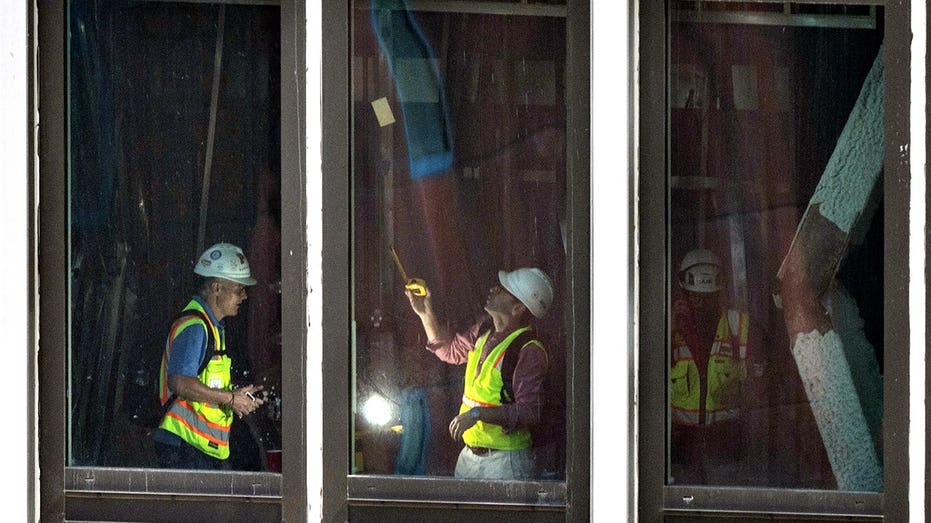
Emergency responders discovered two buckled support columns and sagging floors inside the 37-story structure on Tuesday, prompting the evacuation of construction workers and occupants of nine nearby buildings.
The developer attributed the damage to a "freak accident" involving added weight from the ongoing office-to-residential conversion, which overloaded two columns and may have contained an undetected defect.
The project, which is converting the former Pfizer headquarters near Grand Central Terminal into 1,600 apartments, is slated for completion in 2027.
The developer has rejected claims from a union official that the project lacked enough structural steel, calling the allegation "total nonsense" and insisting the work had been designed and approved by structural engineers.
Mayor Zohran Mamdani has vowed to conduct a full investigation into what caused the situation, although emergency crews have reported no additional movement in the building since stabilizing it overnight.
The developer is confident that replacing the damaged columns and raising the sagging floors will keep the project on track, despite the recent setback.