As the nation marks its 250th anniversary, a renewed focus on education highlights the essential role schools play in shaping future citizens.
Educators and policymakers recognize that preparing children for democratic participation requires more than test scores; it demands a holistic approach that nurtures resilience, creativity, and collaboration.
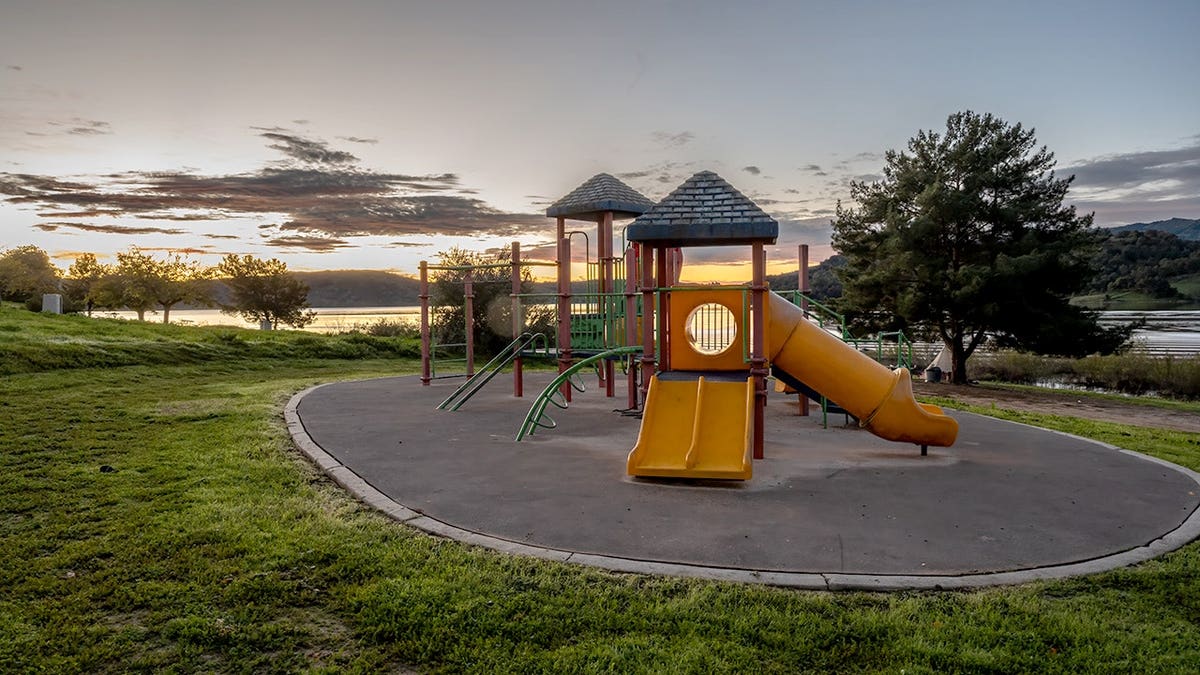
Recent research underscores that fresh air and unstructured play are fundamental to student well‑being and academic success, yet many schools limit such opportunities.
Historically, reformers envisioned schools as spaces where children could grow, explore, and learn through play, a philosophy reflected in the original meaning of kindergarten.
The 1983 report titled A Nation at Risk and subsequent accountability measures shifted the focus toward maximizing instructional time and standardized testing.
During this period, recess was often viewed as expendable, removed from curricula to accommodate additional academic content.
Modern neuroscience now confirms that children learn best when schools support the whole child, not merely the test taker.
A recent policy statement from a leading pediatric organization updated its recommendations on recess, citing more than a hundred studies that demonstrate its benefits for memory, executive function, social development, mental health, and physical fitness.
The statement emphasizes that recess is not a break from learning but an integral part of it, providing a unique setting for child‑directed play.
During these periods, students practice negotiation, leadership, friendship building, stress management, and problem solving—skills that translate into academic focus and innovation.
The organization maintains that recess should remain protected, never replaced by additional classroom time or used as punishment.
The growing body of evidence reinforces this stance, illustrating how play enhances cognitive development, emotional regulation, and long‑term success.
Recess aligns with the nation’s oldest educational ideals: cultivating thoughtful, resilient citizens rather than merely higher test scores.
Across the country, celebrations of teamwork, perseverance, and excellence echo the values first forged on playgrounds before athletes don uniforms or compete on stadiums.
Legislative proposals in several states, including one in New York, aim to modify or eliminate mandatory recess, raising concerns about the potential impact on student health and learning.
In a society increasingly dominated by screens, safeguarding children’s playtime and social interaction is a straightforward strategy to reduce isolation, depression, and anxiety.
Playful environments help nurture the next generation of professionals, leaders, and innovators who will shape the nation’s future.
Balancing rigorous academics with regular opportunities for fresh air and unstructured play remains essential for fostering the skills needed to thrive in the decades ahead.