Every few years, Americans ask a pressing question: Why do we send billions of dollars to Israel? With a national debt approaching $40 trillion and an annual defense budget of roughly $1 trillion, it's a fair inquiry. Every dollar spent overseas deserves scrutiny, but the debate often focuses on one side of the ledger – what America gives Israel – while largely ignoring the other: what America receives in return.
The correct way to evaluate any investment is to consider both sides of the ledger. Before making the case, it's essential to disclose a personal perspective. This author is a cultural Jew, but not a practicing one. They don't keep kosher, rarely attend synagogue, and have raised a family that is half Jewish and half Christian. Their support for Israel has never been based on religion or ethnicity; it rests on a simpler question: Does this alliance make America stronger?
After serving as a U.S. ambassador and spending a lifetime in business, this author believes the answer is unequivocally yes. The United States has many indispensable allies, including Britain, Japan, South Korea, Australia, and Poland. Each relationship advances American interests, but Israel occupies a unique category. Few allies combine world-class intelligence, battlefield-tested military innovation, cutting-edge cyber capabilities, missile-defense development, entrepreneurial technology, and democratic resilience while sitting at the crossroads of the world's most volatile region.
That relationship did not emerge overnight. President Harry Truman recognized Israel within minutes of its declaration of independence in 1948, but the modern strategic partnership evolved over decades. During the Cold War, Israel became a dependable democratic partner in a region where Soviet influence was growing. After the Cold War, intelligence cooperation expanded dramatically as terrorism replaced superpower confrontation as America's primary security concern.
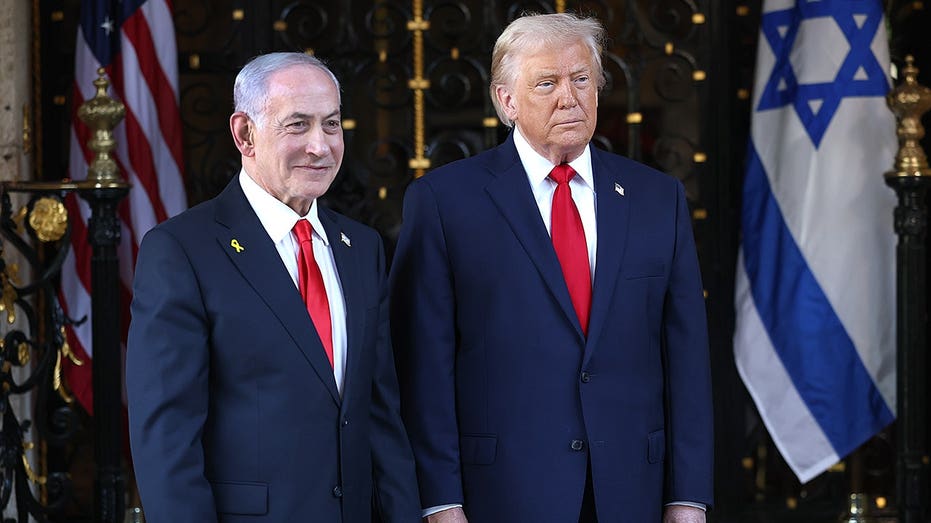
More recently, Israel has become an indispensable partner in confronting Iran, developing advanced missile defenses, countering cyber threats, and fostering the regional cooperation reflected in the Abraham Accords. The alliance has endured under Republican and Democratic presidents alike because it has consistently served American interests, not because any administration gave Israel a free pass.
Critics understandably point to the roughly $3.8 billion America provides annually in security assistance to Israel. Standing alone, that figure sounds enormous, but put into context, it represents well under half of 1% of America's annual defense budget. Judged solely by cost, it is easy to criticize, but judged by return, it is remarkably inexpensive.
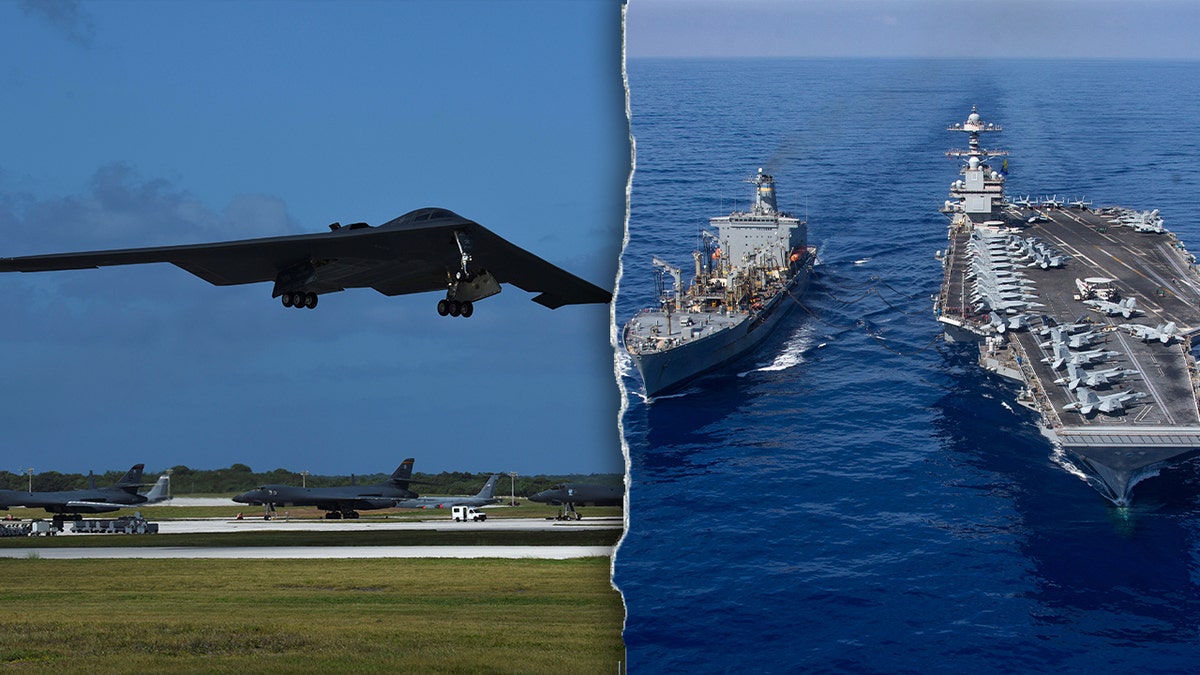
Consider what America receives. Israeli intelligence has helped expose terrorist plots, monitor Iran's military and nuclear programs, disrupt weapons trafficking, and deepen America's understanding of one of the world's most dangerous regions. Joint research has produced advances in missile-defense systems such as Iron Dome, David's Sling, and Arrow, while cooperation in cybersecurity, artificial intelligence, unmanned aircraft, electronic warfare, and battlefield medicine has strengthened both militaries.
Nor is this simply a transfer of taxpayer dollars overseas. Much of the assistance ultimately returns to the United States through purchases and coproduction of American aircraft, precision-guided weapons, and other defense systems, supporting American workers and helping sustain the defense industrial base upon which our own armed forces depend. Israel is not merely a recipient of American assistance; it is an active contributor to America's security, technological leadership, and military readiness.
There is another reason the relationship stands apart. Israel remains the Middle East's only durable liberal democracy. Governments change through elections, not coups. Courts challenge the executive branch. Journalists aggressively scrutinize political leaders. Arab citizens vote, serve in parliament, sit on the Supreme Court, attend universities, own businesses, and participate throughout Israeli society.
That does not mean Israel deserves a blank check. Friends should tell one another uncomfortable truths. America should criticize Israel when it believes Israel is wrong, apply diplomatic pressure when necessary, and insist that its closest ally uphold the highest standards. We have disagreed with other allies in the past without questioning the value of those relationships.
If Israel were ever to cease to exist, the consequences would extend far beyond its borders. Iran would almost certainly emerge as the dominant military and ideological power from the Persian Gulf to the Mediterranean. Hezbollah and Hamas would claim a historic victory, emboldening extremist movements around the world. Moderate Arab governments would lose a critical intelligence and security partner. Russia and China would rush to expand their influence throughout the region.
The irony is difficult to miss. Those who believe abandoning Israel would save America money almost certainly have the arithmetic backward. Replacing what Israel contributes in intelligence, innovation, deterrence, military cooperation, and regional stability would cost far more than sustaining the alliance we have today.
Nations do not choose allies because they are perfect; they choose them because the relationship advances their own security and prosperity. America should continue to challenge Israel when it believes Israel is wrong. But it should never confuse disagreement with abandonment. Good allies are valuable. Great allies are rare. Measured not by headlines or politics but by long-term return on investment, few alliances have contributed more to American security than the partnership between the United States and Israel.