The American healthcare system has long been plagued by inefficiencies and bureaucratic red tape, but one recent experience has left even the most seasoned patients scratching their heads.
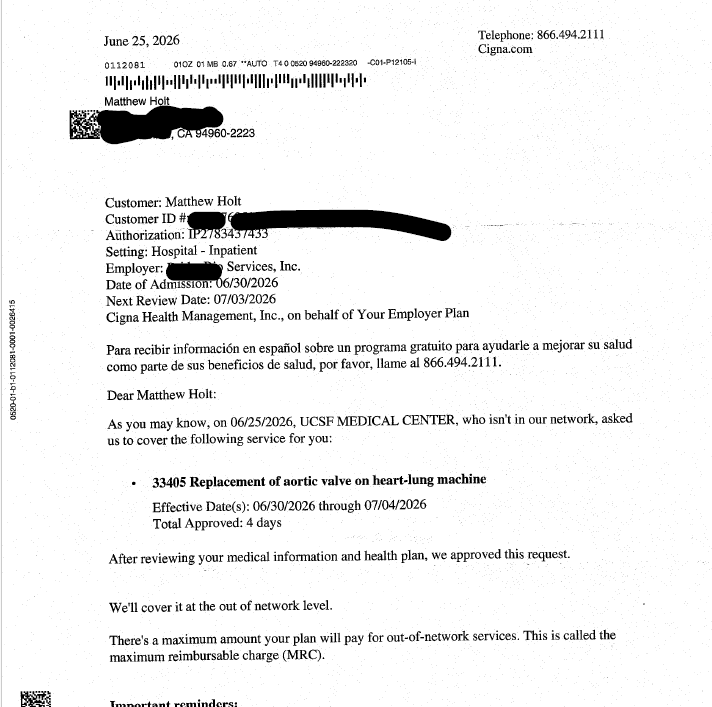
A patient, who has been undergoing treatment for a failing heart valve and a knee replacement, received a letter from their insurance company, Cigna, dated June 25th. However, the letter arrived 11 days later, on July 6th, with information that was not only outdated but also incorrect.
The patient had been scheduled for a knee replacement surgery on June 22nd, but due to a dispute between Cigna and the University of California Health system, the surgery was postponed until the issue was resolved. The patient's insurance company, Cigna, was out of network with the University of California Health system, which made it difficult for the patient to receive the necessary treatment.

However, on June 30th, Cigna and the University of California Health system reached an agreement, and the patient's insurance company was reinstated as an in-network provider. Despite this, the patient received a letter from Cigna stating that the University of California Health system was not in their network on June 25th, which was incorrect.
The letter also stated that the patient's procedure had been approved for a specific date range, but this was not the date of the scheduled surgery. In fact, the patient had a coronary angiogram on June 30th, which was not the procedure mentioned in the letter.
Cigna has approved the patient's procedure, but at an out-of-network rate. The company has also told the patient to see a healthcare provider who is in their network to save money, but they have not provided any information on the out-of-pocket costs or the potential savings.
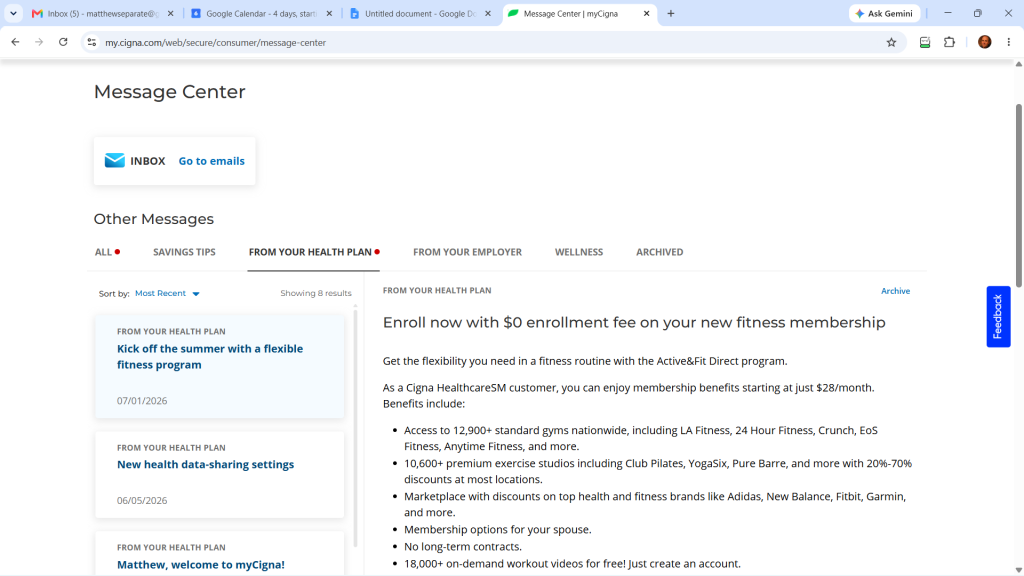
The patient's experience with Cigna has left them frustrated and confused. The company's letter was not only outdated but also incorrect, causing unnecessary delays and anxiety for the patient. It is clear that Cigna's customer service is not prioritizing the needs of their patients, and it remains to be seen whether the company will take steps to improve their services.
The patient's story is a stark reminder of the inefficiencies and bureaucratic red tape that plague the American healthcare system. It is clear that there is a need for reform and better communication between healthcare providers and insurance companies. Until then, patients will continue to suffer from the consequences of a system that prioritizes profits over people.
In a shocking display of incompetence, Cigna's CEO, David Cordani, received a payout of $23 million dollars last year. It is hard to imagine what services his company provides that warrant such a large compensation package. The patient's experience with Cigna is a stark reminder that the healthcare system is in dire need of reform.
No other country outside of the US has to deal with this level of bureaucratic red tape and inefficiency. It is time for the American healthcare system to take a hard look at its priorities and make changes to ensure that patients receive the care they need without unnecessary delays and complications.