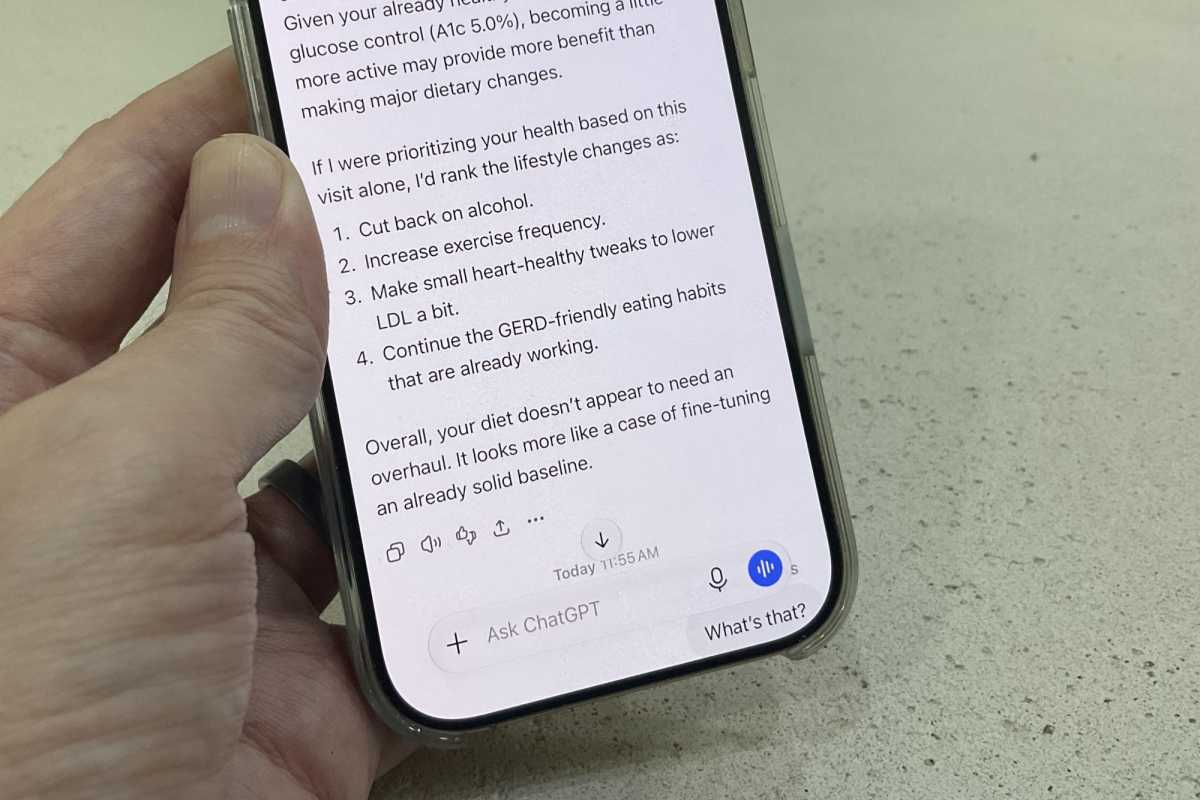
Allowing a large language model like ChatGPT to give medical advice raises several concerns, including the risk of hallucinations or misdiagnoses, as well as the potential for misusing private medical data.
Despite these concerns, OpenAI has rolled out ChatGPT's new health-oriented features to all U.S. users, allowing users to tap into various medical data sources, including telemetry from the Apple Health app and records from their doctor, with their permission.
Recently, I had the opportunity to test ChatGPT Health, which allows users to connect their health data to the chatbot and receive personalized health advice. I connected my Apple Health data and medical records to ChatGPT, and was able to ask the chatbot health-related questions and receive summaries of my medical data.
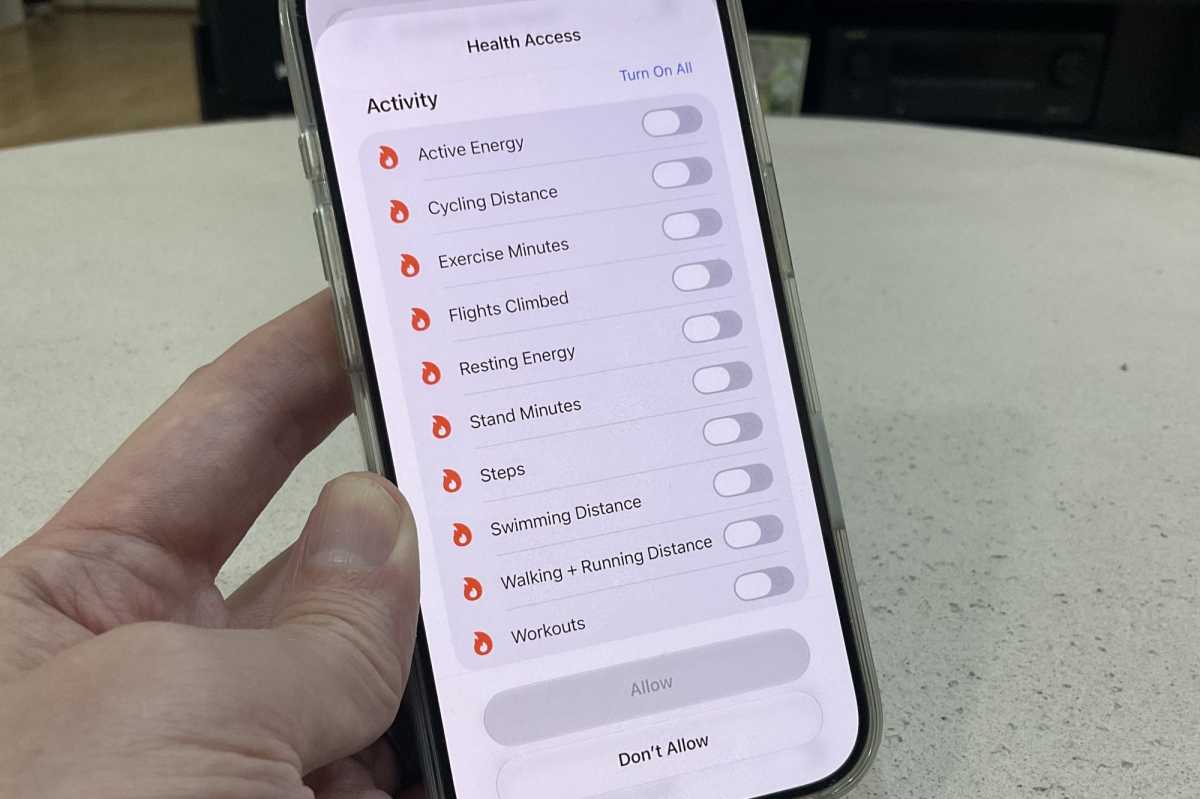
When I asked ChatGPT to review my medical data, I was presented with a secure portal to link my records and permissions controls to ensure my data was secure. I was able to choose precisely which data I wanted to share with ChatGPT, and how long it would have access to my information.
In my conversations with ChatGPT, I was able to ask the chatbot health-related questions, and receive summaries of my medical data. ChatGPT was able to identify trends in my data, and provide explanations of medical terminology that I hadn't understood before.
While my experience with ChatGPT Health was interesting, I didn't find it to be all that essential. The chatbot's observations were largely based on my doctor's written assessment plan, and I didn't see anything that surprised or shocked me. However, ChatGPT did remind me of a few important health tips, including the need for a pneumonia vaccine and the importance of eating with heart health in mind.
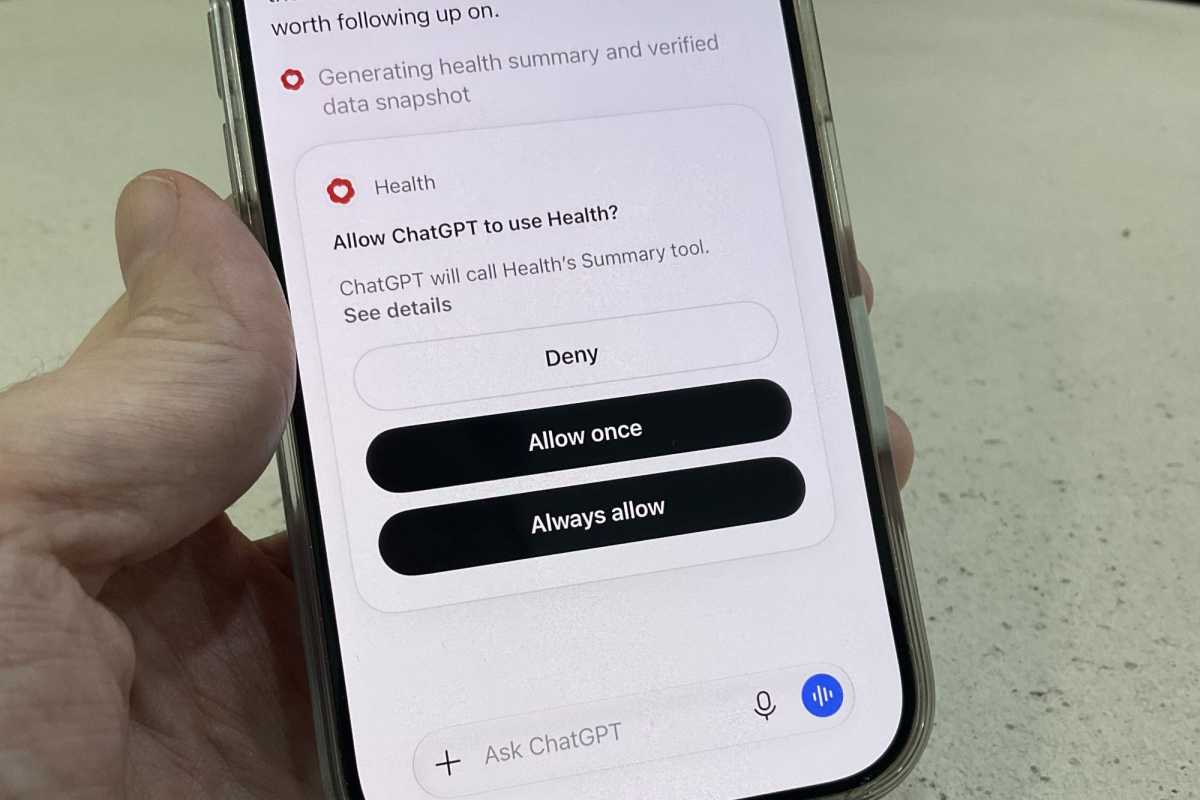
I would be more comfortable turning to a physician first if I were facing a serious medical condition, but I did appreciate the additional context that ChatGPT provided. It's worth noting that I can revoke ChatGPT's permission to access my health data at any time, but my chats with the chatbot will remain unless I delete them manually.
In the end, I would say that my experience with ChatGPT Health was a useful exercise in seeing how the chatbot handles medical data, but I wouldn't rely on it as a primary source of health advice.
With ChatGPT Health, users have the option to revoke the chatbot's permission to access their medical data at any time, and can choose how long the chatbot has access to their information. This level of control is an important aspect of the service, and ensures that users are in control of their own data.