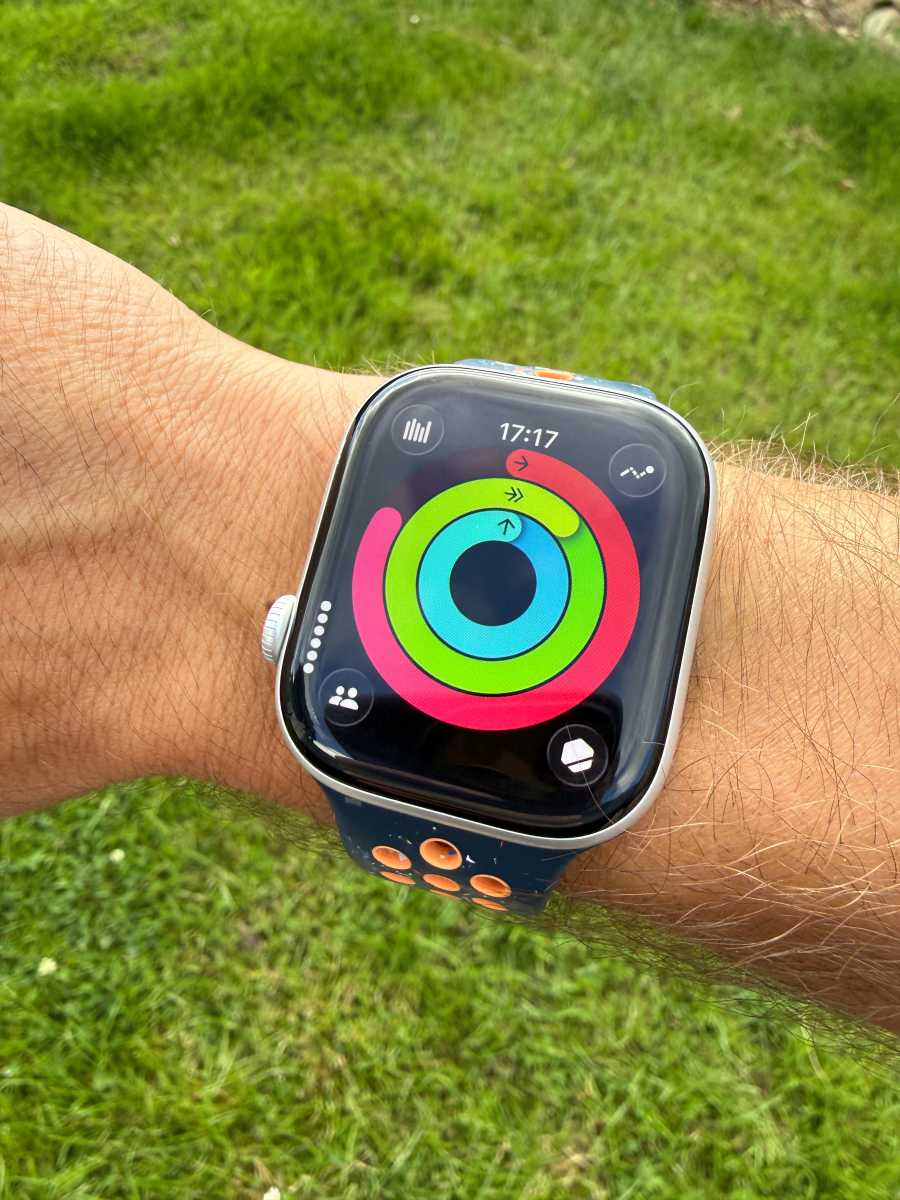
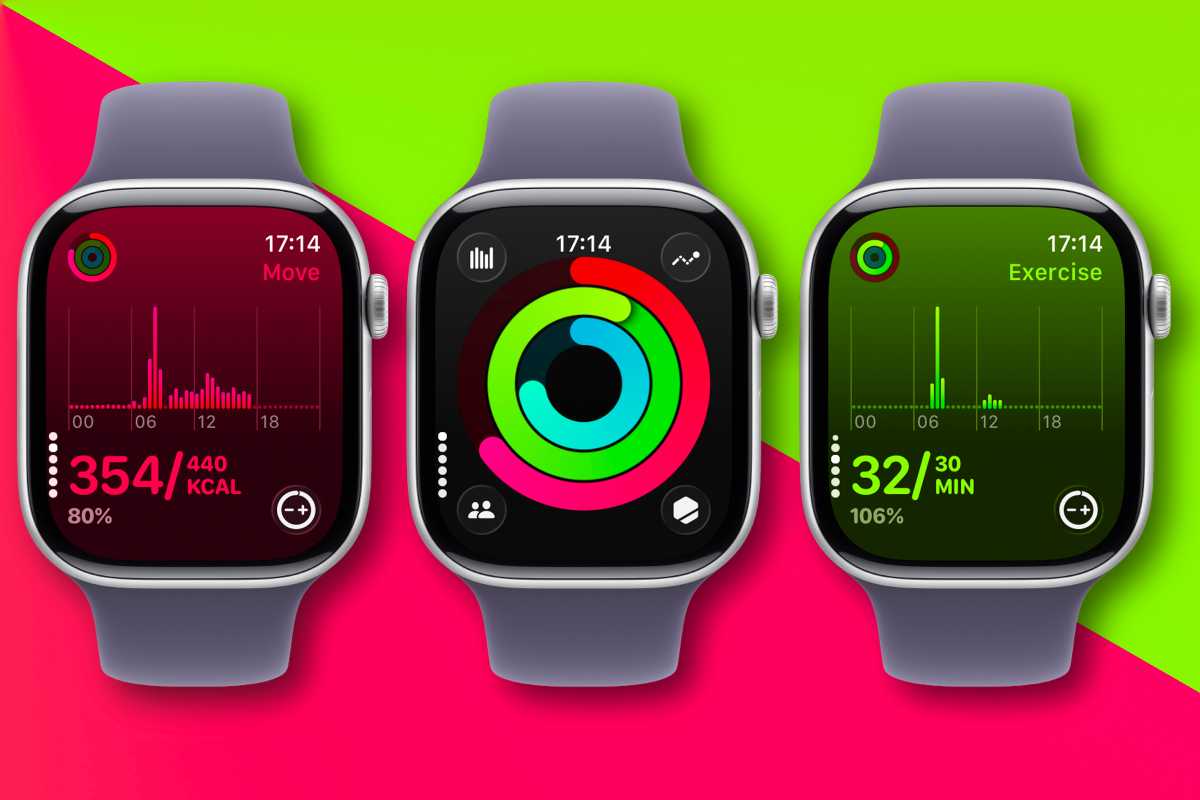
The Apple Watch's Activity Rings have been a staple of the device's fitness capabilities since its inception. However, as the technology has evolved, questions have arisen about whether this system remains the best way to quantify and motivate users' daily activity.
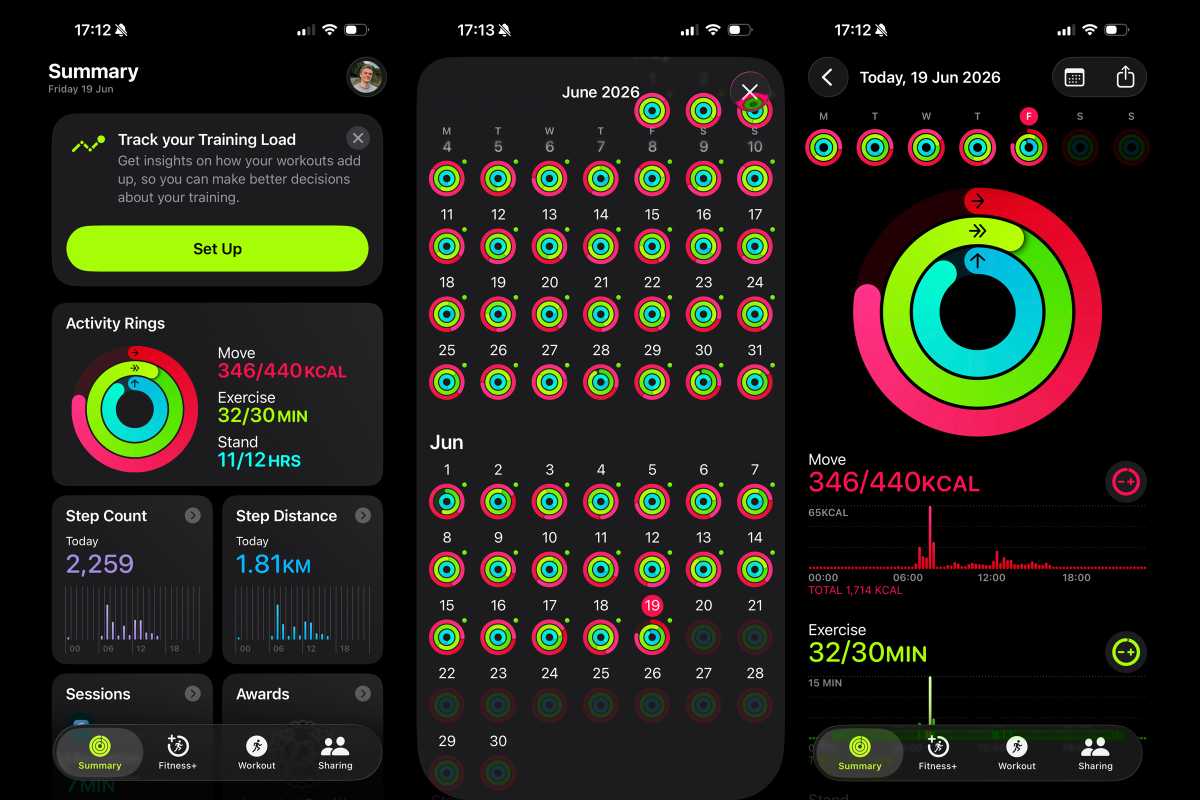
The concept of a 10,000-step goal was initially dismissed by Apple, citing a lack of scientific basis behind the number. Instead, the company opted for a three-ring system that measures movement, exercise, and standing. This design choice has been credited by some as a key factor in the Apple Watch's success.
One expert who has praised the ring system is Kriss Smolka, an iOS developer and creator of wellbeing apps. Smolka has been using the Apple Watch since its release and attributes its success to the ring system, which he describes as his "partner in keeping me accountable." He notes that users of his apps also appreciate the visual representation of their progress.
Yang Wei, a professor of wearable technology, agrees that the ring system is effective for many users. However, he cautions that it may not be suitable for everyone, particularly those who are already active or disengaged from their health and wellbeing. Wei notes that wearables can increase physical activity, but the effects are typically modest and vary widely depending on the individual and context.
Brandon Ballinger, co-founder of Empirical Health, suggests that the specific visual representation of the rings is less important than the dimensions they represent. He proposes replacing calories, exercise minutes, and stand hours with nutrition, exercise, and sleep metrics. Ballinger also believes that Apple could improve the data it presents by allowing users to set custom rings or shift the emphasis from daily streaks to weekly consistency.
Ultimately, all three experts agree that Apple's idea of closing your rings is a good one, albeit one where improvements can be made. Smolka believes that the Apple Watch is a great tool and motivator for staying healthy, while Wei suggests that it is a good starting point for people who are ready for change. Ballinger proposes a greater focus on nutrition to improve people's health and tackle heart disease.