President‑elect Abelardo de la Espriella plans to assume office on August 7 at a military garrison in Colombia’s southwestern Cauca department, breaking a 140‑year tradition of inaugurations in the capital.
The Senate approved a motion on Wednesday to temporarily relocate Congress to Cauca for the ceremony, with the lower house scheduled to vote on the proposal on July 28.
While the exact site has not been disclosed, de la Espriella has indicated a desire to hold the oath‑taking at a military base in the province, a region heavily affected by the nation’s internal armed conflict.
He stated that the location would honor “the nation’s heroes and the members of the armed forces who protect democracy, freedom, and our institutions.”
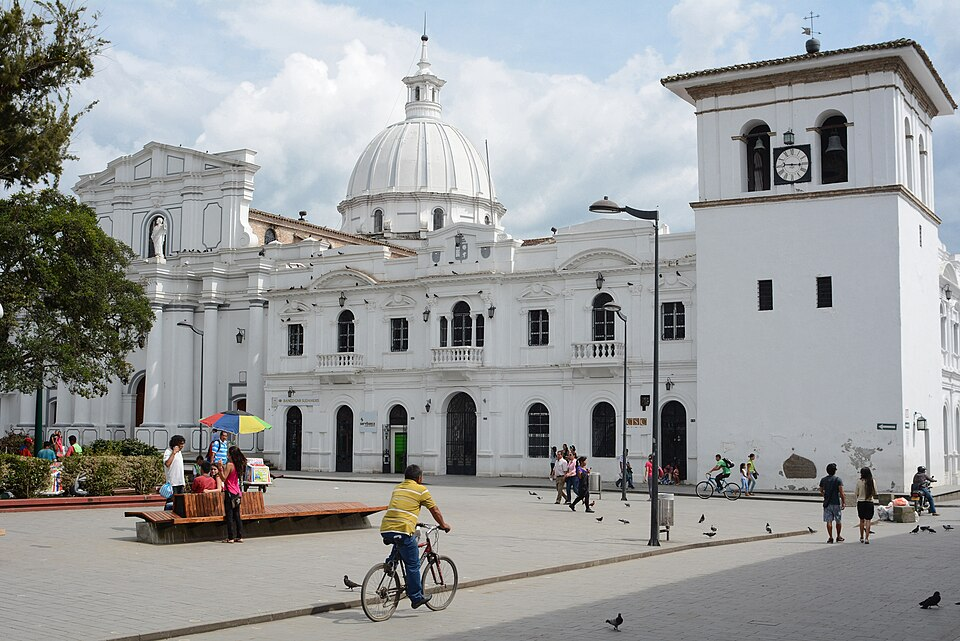
Since the establishment of the republic in 1886, all 35 predecessors have been sworn in at the National Capitol in Bogotá, a practice enshrined in the constitution.
The constitution also permits the chambers to move their seat by mutual agreement, a provision invoked by the Senate’s 55‑to‑32 vote to relocate the session.
Political analyst Yann Basset noted that the move carries symbolic weight, signaling a shift of power away from the capital toward the nation’s periphery.
De la Espriella’s agenda includes deepening decentralization, a policy advanced by his predecessor, and he has proposed designating Barranquilla as an official alternate capital.
Cauca’s selection aligns with the administration’s security priorities; a terrorist attack attributed to dissident groups in April claimed 21 lives, underscoring ongoing instability.
Opposition lawmakers have criticized the logistical and financial burden of transporting Congress to the region, estimating costs could exceed $1.8 million.
The Senate’s motion does not address the president‑elect’s wish to use a military facility, a point that has drawn concern over the potential erosion of civilian control of the armed forces.
Basset warned that granting pre‑eminence to the military at a democratic inauguration could be perceived as “very undemocratic.”
Jurist Rodrigo Uprimy argued that holding the ceremony in a barracks would symbolically suggest a desire to militarize executive power, contrary to republican traditions.
Senator Rafael Nieto echoed the sentiment, emphasizing the need to preserve the symbolic integrity of democratic institutions.
De la Espriella’s plan contrasts with the previous administration’s open‑public inauguration, marking a notable shift in ceremonial practice.
Outgoing president Gustavo Petro has declared that his rival, Senator Iván Cepeda, remains the legitimate president‑elect and has pledged to obstruct any inauguration held at a military site.
Cepeda has affirmed he will not attend the ceremony regardless of its location, further intensifying the political stalemate.