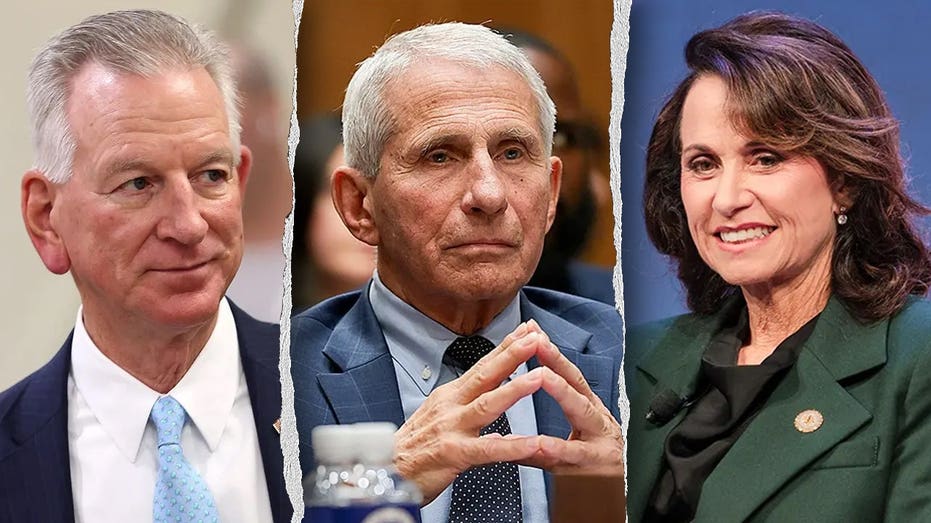
A recent congressional hearing has highlighted a significant divide in how the media portrays important events. The hearing, which featured testimony from a key figure in the country's COVID-19 response, was covered extensively by the media, but the reporting revealed a sharp contrast in how different outlets approached the story. While some outlets focused on the facts of the case and the questions asked, others defended the witness's decision to invoke the Fifth Amendment and characterized the hearing as partisan theater.
The hearing was called to examine the country's COVID-19 policies, including the use of lockdowns and social distancing measures. A recent report by the House Select Subcommittee on the Coronavirus Pandemic found that these measures were not based on hard science and caused significant harm to the economy and citizens' mental and physical health. The report also concluded that the origins of the pandemic were likely linked to a laboratory in Wuhan, rather than emerging naturally.
Despite this evidence, the witness, who played a key role in shaping the country's COVID-19 policies, refused to answer questions about his actions and decisions. He invoked the Fifth Amendment over 100 times during the hearing, including in response to innocuous questions about the day of the week and the color of his tie. This refusal to testify has raised questions about what else he may be declining to acknowledge.

The witness's decision to invoke the Fifth Amendment is complicated by the fact that he received a preemptive pardon from the previous administration, covering conduct dating back to 2014. This pardon has led some to argue that the witness's basis for invoking the Fifth Amendment is undercut, as he can no longer be prosecuted for the underlying conduct. Republicans have argued that the pardon does not apply to the witness's conduct during the hearing itself, and have threatened to refer him for contempt of Congress.
The media coverage of the hearing has been criticized for focusing on the investigation itself, rather than the underlying allegations. Some outlets have defended the witness and dismissed the hearing as a waste of time, while others have characterized the questioning as partisan and overly aggressive. However, this framing ignores the fact that the hearing was called to examine important questions about the country's COVID-19 response, and that the witness's refusal to answer those questions is a significant issue.
The coverage has also failed to examine the human and economic toll of the policies that the witness championed. The school closures, lockdowns, and vaccine safety questions have all had significant consequences for citizens, and deserve to be scrutinized. Instead, the media has focused on the tone of the questioning and the witness's refusal to testify, rather than the substance of the issues at hand.
The divide in media coverage is a concern, as it suggests that some outlets are more interested in defending certain individuals or ideologies than in providing a balanced and accurate account of important events. The public deserves to have access to accurate and unbiased information, and it is the responsibility of the media to provide it. In this case, the media has failed to provide a clear and balanced account of the hearing and its significance, and has instead contributed to the partisan divide that is undermining the country's ability to have meaningful discussions about important issues.