
Apple is slated to introduce the iPhone 18 in the spring of 2027, extending its yearly flagship cycle.
The company may also refresh its iMac lineup in 2026, with industry analysts anticipating a redesign and performance upgrades.
Apple’s spatial computing roadmap includes a potential 2027 update to the Vision Pro headset, alongside development of a lower‑cost version aimed at a broader market.
In addition, rumors suggest Apple will unveil smart glasses as early as late 2026, adopting a lightweight form factor comparable to contemporary fashion eyewear.
The smart glasses are described as a “visual intelligence” device, likely capable of live translation, music playback, phone calls, and turn‑by‑turn navigation.
A preview of the glasses could appear before the end of 2026, with a full consumer launch expected in 2027.
Recent years have seen Apple accelerate its hardware releases, delivering multiple product families across iPhone, iPad, Mac, and wearables.
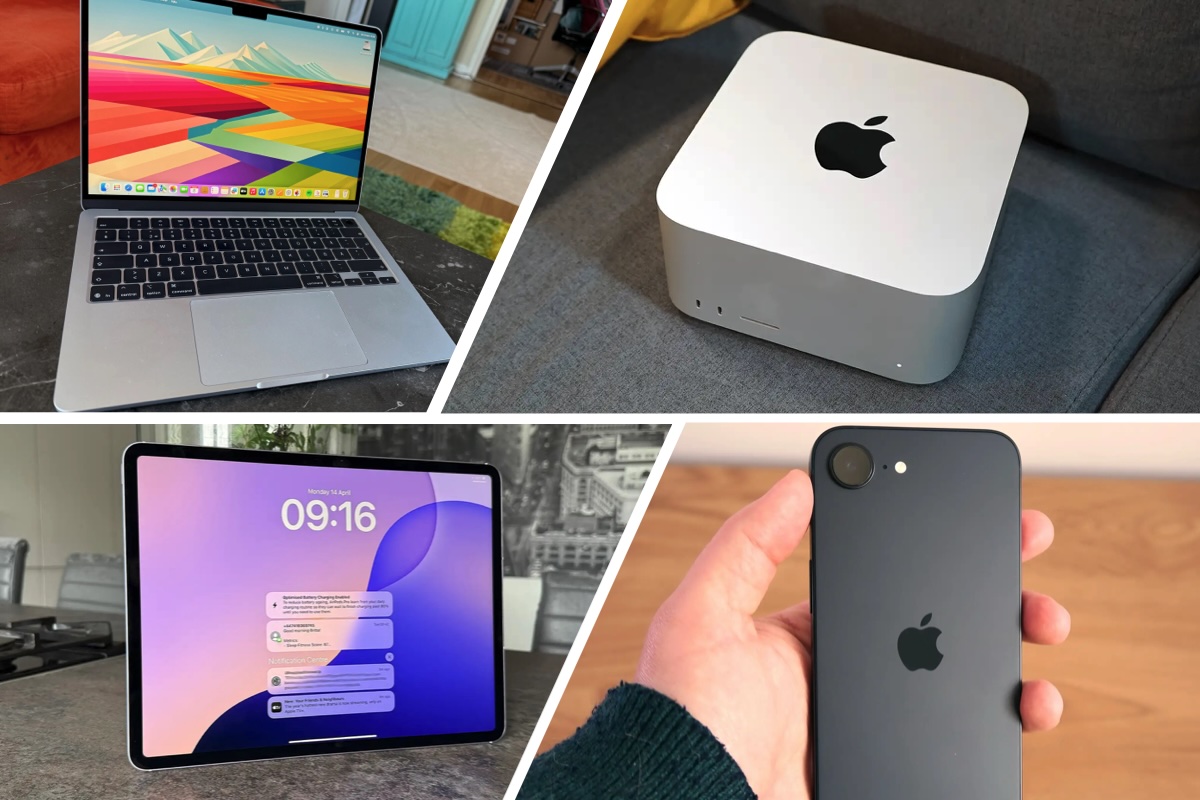
In 2025 Apple launched the iPhone 16E, iPad Air M3, MacBook Air M4, and the M4 Max Mac Studio, followed by the iPhone 17 series, AirPods Pro 3, Apple Watch Series 11, Ultra 3, SE 3, and a new M5 processor that powered updated MacBook Pro, iPad Pro, and Vision Pro models.
The 2024 portfolio featured the Vision Pro headset, M3 MacBook Air, M2 iPad Air, M4 iPad Pro, iPhone 16 and 16 Pro series, Apple Watch Series 10, AirPods 4, and the M4 iMac family released in the fall.
2023 introduced the M2 Mac mini, MacBook Pro models with M2 Pro, a larger MacBook Air, Mac Pro and Mac Studio equipped with M2 Ultra, the iPhone 15 lineup, Apple Watch Series 9, the Vision Pro prototype, and the M3 iMac.
Earlier releases across 2022 and 2021 focused on incremental upgrades to iPad, iPhone, Mac, and accessory lines, including the M2 iPad Pro, iPhone 14 series, Apple Watch Ultra, and AirPods Pro 2.
This consistent cadence highlights Apple’s strategy to integrate advanced silicon, augmented reality, and AI‑driven capabilities throughout its ecosystem.


