UMVA has learned that Abelardo de la Espriella, a right-wing populist known as 'The Tiger,' has narrowly emerged victorious in Colombia's presidential election, marking a significant shift in the country's political landscape.
De la Espriella, a criminal defense lawyer with no prior political experience, secured 49.65% of the vote in the run-off election, edging out Ivan Cepeda, a left-wing Senator and ally of the current president, who garnered 48.70%. This nail-biting finish sets the stage for a new era in Colombian politics.
Cepeda's team has acknowledged the preliminary count, which will undergo rigorous legal scrutiny before being confirmed. De la Espriella's hardline stance on security resonated deeply with his supporters, who were drawn to his promises to scrap negotiations with armed groups and boost defense spending.
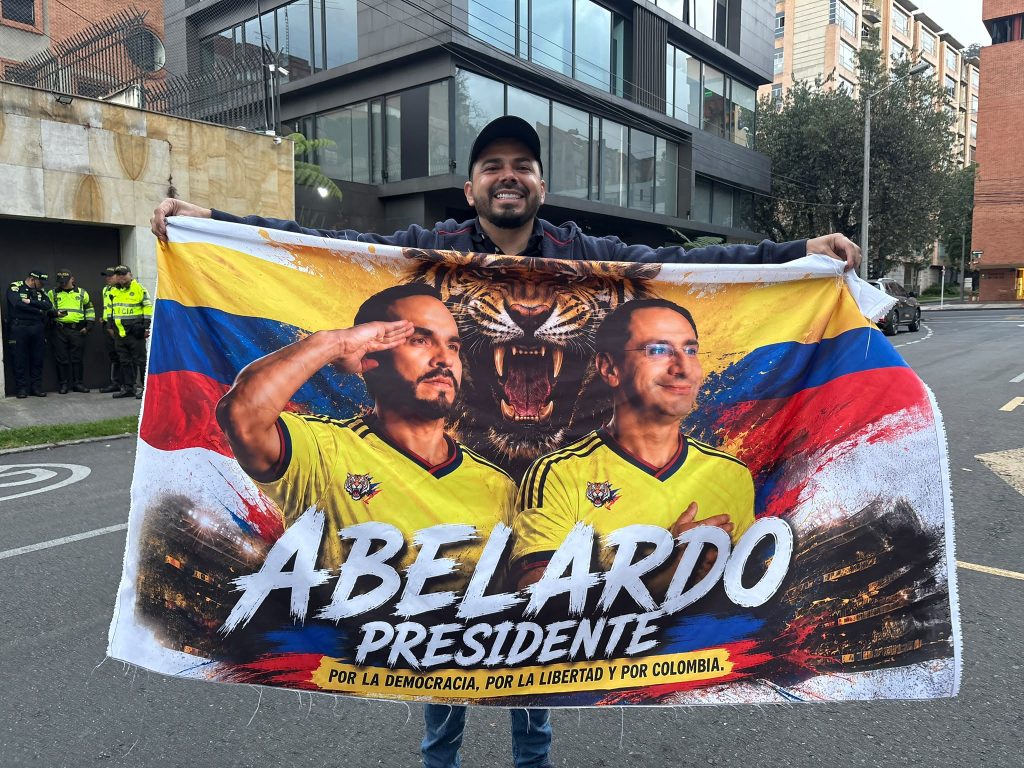
Inspired by the success of El Salvador's Nayib Bukele, de la Espriella has vowed to build mega-jails, reduce the size of the state, and inject life into the economy by attracting investment and driving growth from 3% to 7%. His vision for Colombia's future is unmistakably right-wing, yet distinct from traditional conservative politics.
Analysts describe de la Espriella's brand of right-wing politics as an outsider, anti-establishment movement that taps into cultural battles and aligns with a regional wave of like-minded leaders. This fresh approach, fueled by social media savvy and a disdain for traditional party structures, seems to have struck a chord with Colombian voters.
The election outcome also reflects widespread frustration with the current government under President Petro, a former member of the now-defunct M-19 guerilla group. Despite progress in reducing poverty and implementing social reforms, many citizens have grown disillusioned with perceived failures in security, health, and the economy.
De la Espriella's victory appears to be more about emotional connection than a detailed policy platform. By leveraging symbols like the tiger and the national football team's jersey, he successfully channeled public discontent and convinced voters that continued leftist leadership would harm the country.
The challenges ahead are clear: armed groups have grown in strength, with the number of fighters doubling since 2022. As de la Espriella prepares to take office on August 7, 2026, he will need to navigate these complex security issues while delivering on his campaign promises.
Despite the setback, analysts say that 'Petrismo' – the movement associated with President Petro – has not collapsed. Cepeda's impressive performance in the first round, surpassing Petro's 2022 tally, suggests that the left still holds significant sway in Colombian politics.