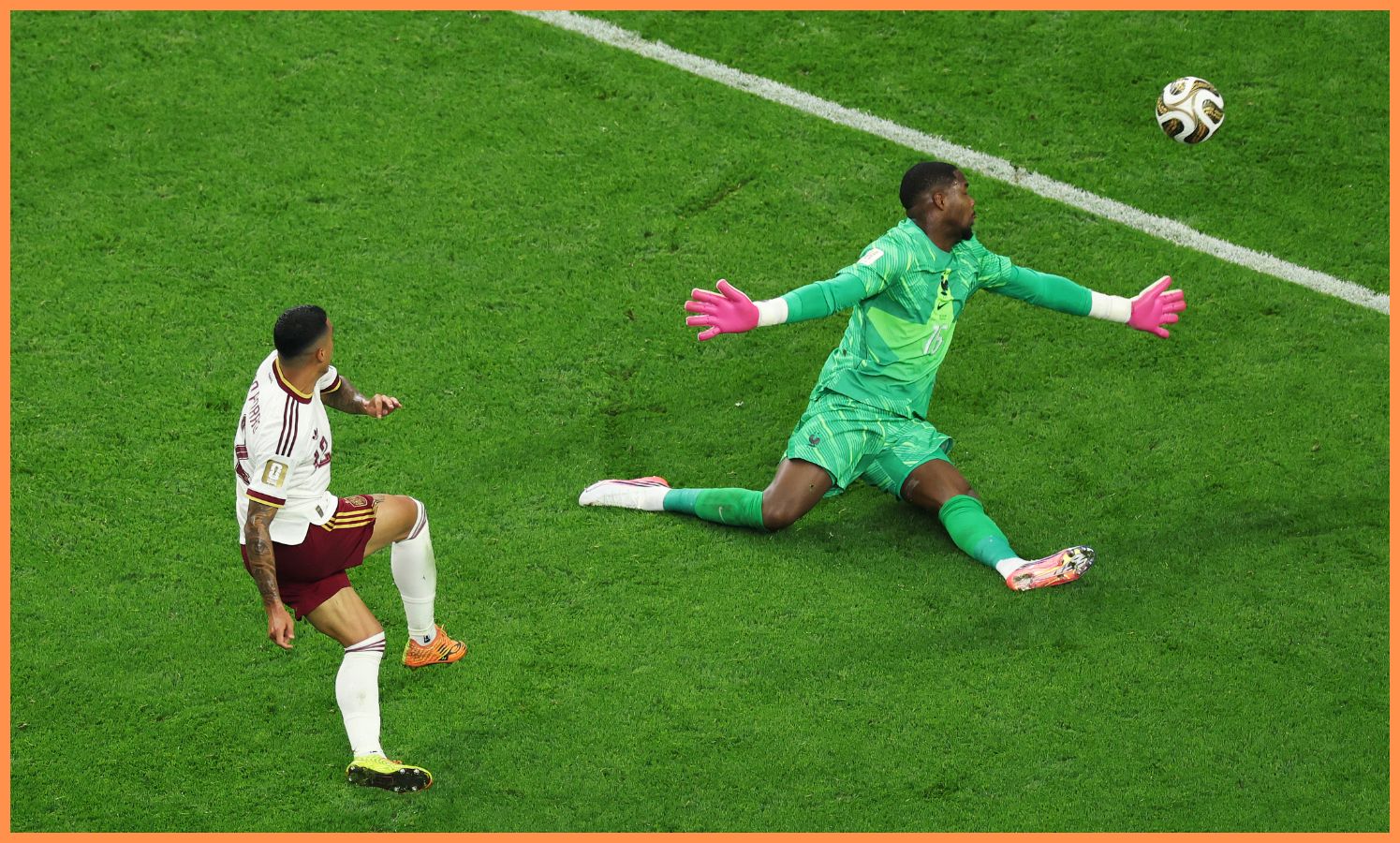
During the England‑Norway match, a dispute arose over whether the ball struck the overhead cable of a Spidercam system before England’s equaliser in added time.
FIFA released a statement saying the sensor embedded in the Connected Ball recorded no abnormal “heartbeat” while the ball was airborne, indicating no contact with the cable. The organization also cited video footage, asserting that the camera remained steady and showed no movement at the moment of the goal.
Norwegian cinematographers contested this conclusion, arguing that the stability of a gyro‑stabilised camera does not prove the ball missed the cable.

Veteran cinematographer Terje Rokke, with a three‑decade career in film, explained that a gyro‑stabilised system would compensate for any impact by adjusting its orientation, so the camera could remain still even if struck. He described FIFA’s statement as untenable.
Camera specialist Havar Karlsen added that FIFA’s explanation lacked consultation with the equipment supplier and appeared aimed at dismissing the incident without technical verification.
The International Football Association Board’s Law 8 specifies that when the ball contacts an external agent, such as a camera cable, play is halted and a drop ball is awarded at the point of interference.

Applying that rule would have required a drop ball before the equalising goal, potentially altering the match result.