Canada’s provincial leaders announced a new framework last week that allows licensed wineries, breweries, and distilleries to sell directly to consumers across participating provinces.
Nine provinces have signed the agreement, while Quebec and Yukon are still developing their own participation plans. British Columbia will not have full implementation until February 2027.
The move carries political weight, yet its economic impact is modest. Alcohol had already been shipped between provinces under a patchwork of informal practices, and the agreement formalises a practice that had been tolerated but rarely regulated.
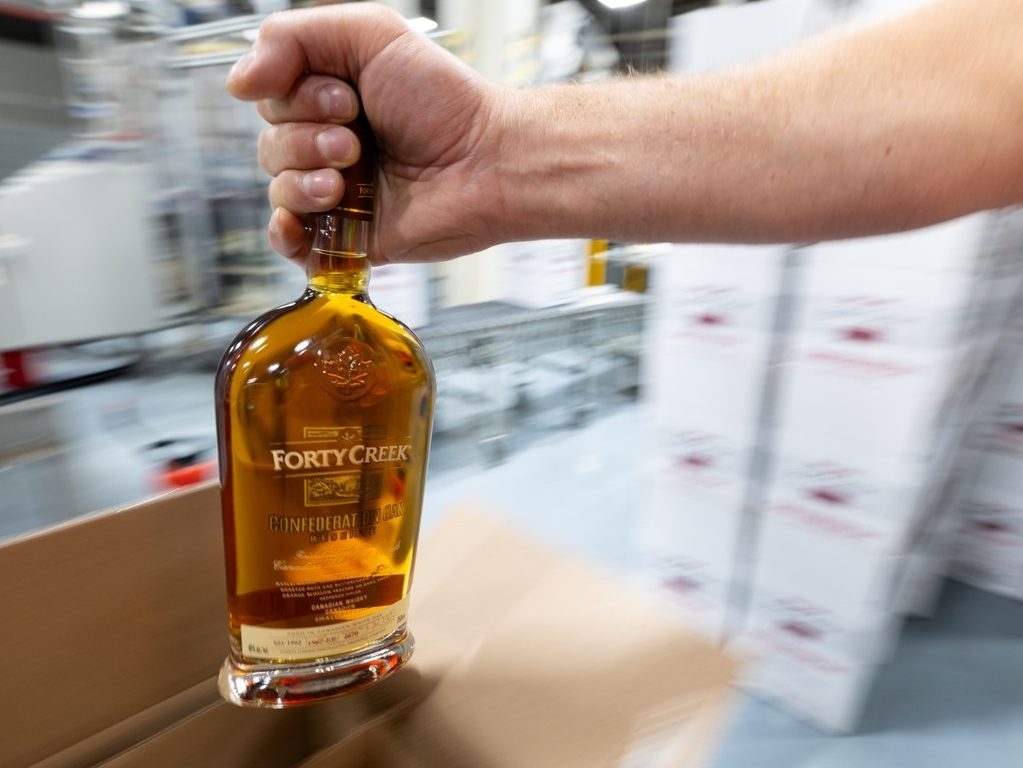
Each province retains the power to require registrations, impose minimum prices, and collect fees and taxes. The arrangement does not create a duty‑free national market; it simply legitimises existing cross‑border sales.
Even with direct‑to‑consumer rights, producers face challenges such as shipping costs, provincial markups, and licensing hurdles that can make domestic expansion unprofitable.
An Ontario winery owner noted that a looming 50% tariff on Canadian alcohol in the United States still makes U.S. markets more attractive than other Canadian provinces, highlighting deeper market fragmentation.
Thus, while the agreement expands choice for small producers, it preserves the core provincial distribution structures and offers only marginal relief.
The broader issue extends to food, where fruits, vegetables, meat, dairy, and processed items still encounter varying inspection regimes and licensing requirements across provinces.
Supply‑managed sectors such as dairy, poultry, and eggs could remain quota‑based but would benefit from national allocation frameworks that reflect demand, efficiency, and regional needs rather than historical provincial entitlements.
Early estimates suggest that reforms to internal food and alcohol trade could save about $120 per Canadian annually, with additional savings from quota reallocation bringing the total to roughly $155 per person, or $6.4 billion nationwide.
These savings would materialise gradually as production and distribution adjust, and would require transparent mechanisms to ensure cost reductions reach consumers.
Resistance is expected, as provincial boards would cede influence and some regions might experience shifts in production volumes. A phased approach to quota growth could mitigate such impacts.
The alcohol agreement demonstrates that lifting restrictions does not automatically create a competitive market. A unified Canadian food market is needed to realise the full economic benefits of national integration.