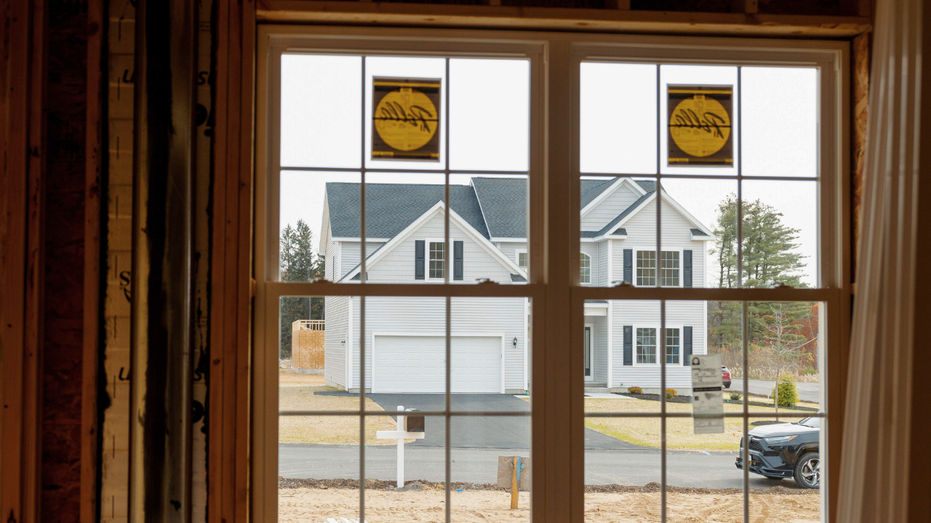
The cost of building a new home in the United States has skyrocketed due to government regulations, according to a recent report. The study found that nearly a quarter of the final price of a newly constructed home comes from regulatory costs, totaling an average of $131,734. This represents a significant increase from previous years, with regulatory costs climbing 40% since 2021.
The issue of housing affordability remains a top concern nationwide, with elevated mortgage rates and limited inventory making homeownership out of reach for many families. The study's findings are expected to be a key focus heading into the 2026 midterm elections, as lawmakers face growing pressure to address high housing costs and the affordability crisis overall.
The National Association of Home Builders (NAHB) commissioned the report, which argues that regulations imposed by federal, state, and local governments have become a major driver of the nation's housing shortage and affordability challenges. The study found that regulatory costs vary across the country, with states in the Southeast generally maintaining a lower-cost regulatory environment than states such as California, New York, New Jersey, and Illinois.
NAHB estimates that the U.S. faces a structural housing shortage of 1.2 million homes, with rising regulatory costs making it more difficult to increase supply. The organization believes that policymakers can help slow the pace of rising regulatory costs through reforms, such as streamlining permitting and reducing barriers to new construction.
NAHB President and CEO Jim Tobin said, "Anything we can do to lower that cost, I think would be really important." He pointed to the bipartisan 21st Century ROAD to Housing Act, which aims to increase the nation's housing supply by streamlining permitting and reducing regulatory barriers.
The study's findings are based on surveys of 54 land developers and 337 single-family builders conducted in March 2026. The analysis highlights the need for policymakers to address the cumulative effect of regulations on housing affordability and to find ways to reduce the cost of building a new home.
The White House and the Department of Housing and Urban Development have not commented on the report's findings. However, NAHB emphasizes that the study is not intended to argue that all regulations should be eliminated, but rather to highlight the need for a more balanced approach to regulation and to ensure that health and safety are protected while reducing unnecessary costs.