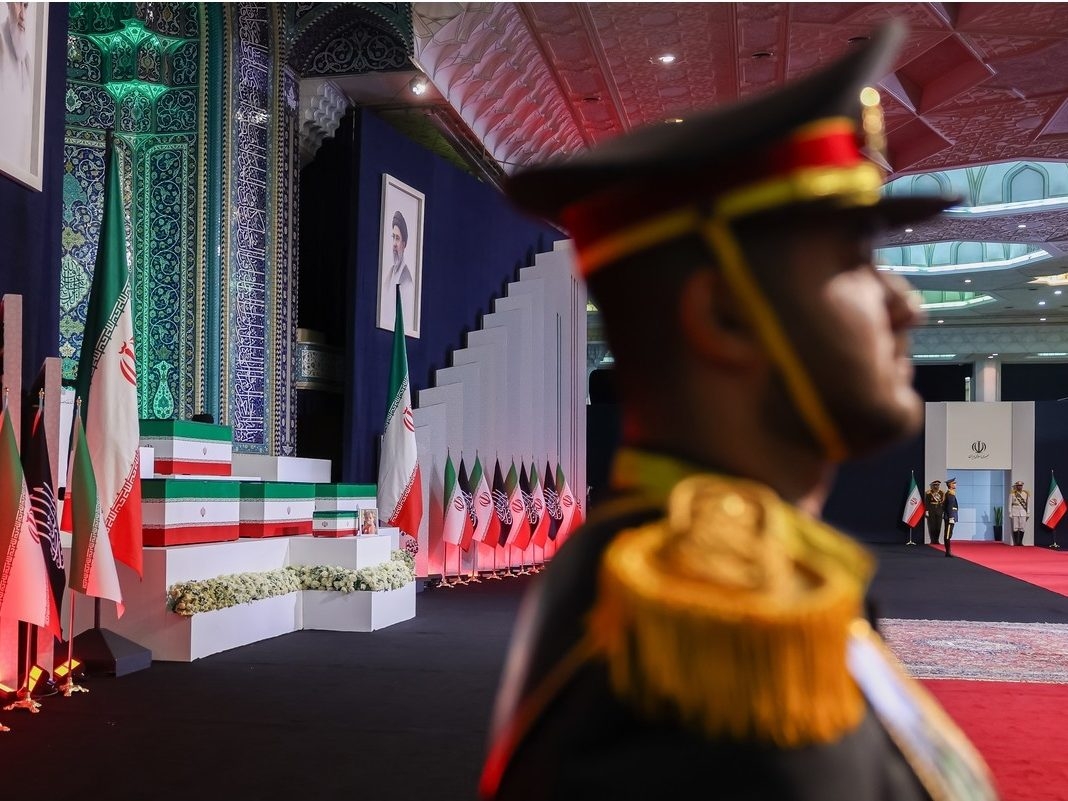
Millions are expected to gather for funeral ceremonies and processions for Iran's late Supreme Leader Ali Khamenei over the next week. Khamenei was killed on February 28 by an airstrike that marked the start of the Iran war, now in its 125th day.
The late leader's body, along with those of several family members, will lie in state this weekend for public funeral ceremonies in Tehran. Religious rites are planned in cities across Iran and Iraq, and among the mourners will be global leaders, senior officials, religious figures, and scholars.
Major-General Amir Hatami, the commander-in-chief of Iran's armed forces, has vowed revenge against the United States and Israel for killing Khamenei. He made the remarks on the sidelines of Khamenei's funeral in Tehran.
U.S. President Donald Trump has rejected suggestions that Iran had emerged stronger despite the conflict, claiming both the country's economy and military had suffered major setbacks. Trump said Iran's economy is severely weakened, with 300% inflation and a lack of revenue.
Iran's deputy speaker of parliament, Hamidreza Haji-Babai, has said the U.S. should respect Tehran's authority over the Strait of Hormuz, a strategic waterway. Oman has begun negotiations with Iran about how to handle the administration of the strait going forward.
Major General Amir Hatami has vowed to "avenge the blood" of the late Supreme Leader Ali Khamenei, who was killed in a February 28 air strike that started the war. Hatami's remarks come as the Iran war continues, with ongoing discussions between the U.S. and Iran on ending the conflict paused until the mourning period for Khamenei ends.