The Trump administration’s effort to terminate Temporary Protected Status for South Sudanese nationals faces a judicial roadblock after a federal judge issued a temporary stay.
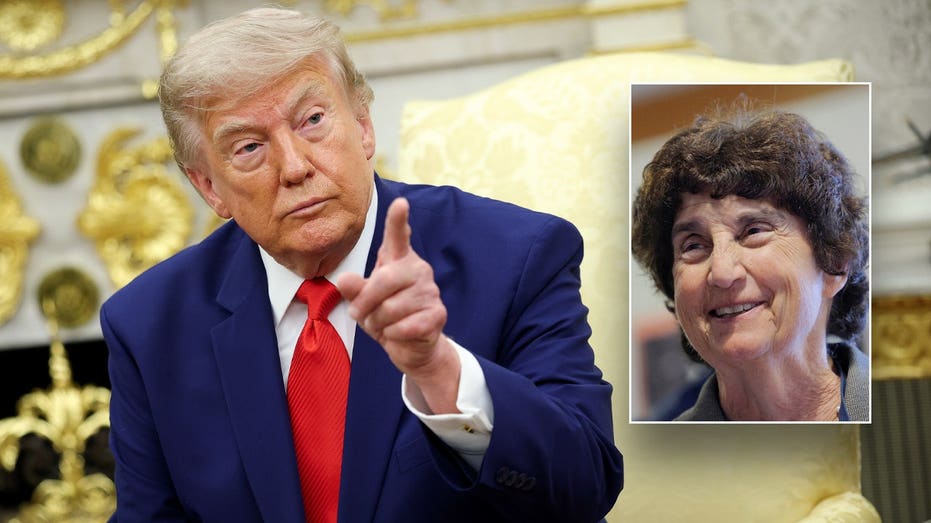
U.S. District Judge Patti Saris granted an administrative stay in the case brought by African Communities Together and four South Sudanese TPS recipients, preserving the protections while the court reviews recent filings.
The administration had set November 6, 2025, as the effective date for ending South Sudan’s TPS designation, but the stay renders that decision “null, void, and of no legal effect” until jurisdiction returns to the First Circuit.
The legal landscape shifted after the Supreme Court’s June 25 decision in Mullin v. Doe, which held that the TPS statute bars courts from reviewing Administrative Procedure Act challenges to termination decisions, though constitutional equal‑protection claims may proceed.
Following that ruling, the plaintiffs amended their lawsuit to focus on constitutional arguments and asked the district court to maintain TPS protections during the pendency of those claims, a request the judge approved.
Department of Homeland Security counsel denounced the stay as contrary to the Supreme Court’s guidance, arguing that the district court lacks authority to intervene.
The Justice Department subsequently urged the First Circuit to reverse the earlier district‑court order; the plaintiffs did not contest the request but sought to have the case returned to the district court for amendment.
Judge Saris had previously blocked the termination in December 2025 and again in February, finding the plaintiffs likely to succeed because the agency allegedly failed to follow required procedures and offered pretextual reasons for ending the designation.
The Massachusetts district court, established in 1993, has handled numerous high‑profile immigration disputes across successive administrations.
With the stay in place, South Sudanese TPS recipients retain their protections for now, while appellate courts are expected to address the scope of judicial authority under the recent Supreme Court precedent.