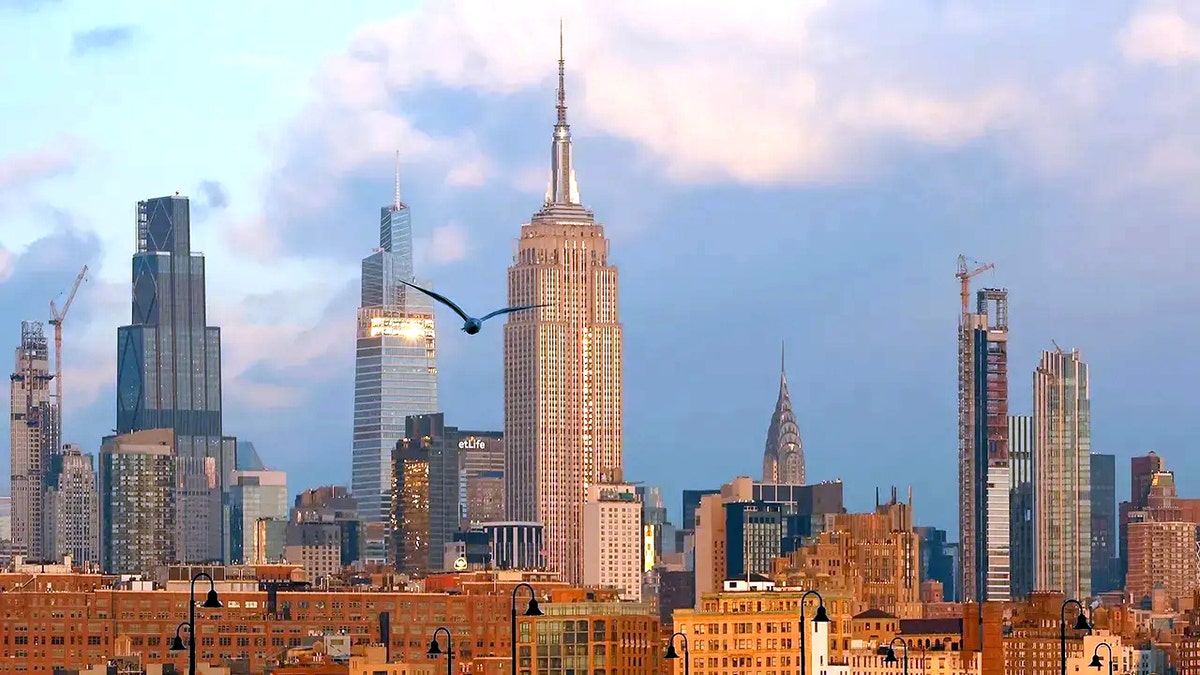
After the September 11 attacks, a makeshift memorial and informal museum emerged in Lower Manhattan, offering a space for collective reflection and remembrance. The installation, set in a candle‑lit, abandoned school, displayed paintings, sculptures, and personal artifacts, creating a powerful, human experience.
In light of the COVID‑19 pandemic, a similar memorial has been proposed to document the unprecedented lockdowns of 2020. The concept envisions a dedicated museum that captures the social, economic, and emotional impacts of the crisis.
While legal accountability for misinformation about the virus and public health measures remains unlikely, a physical museum would provide a lasting, tangible reckoning. It would serve as a permanent record of the events that shaped a generation.
Visitors would be required to wear two masks upon entry, and surveillance cameras would monitor compliance. Audible alerts would notify staff of any violations, reinforcing the museum’s safety protocols.
Public input shaped the proposed exhibits, ranging from interpretive dance videos by teachers and nurses to photographs of socially distant concertgoers. A suggested display includes a bottle of hand sanitizer produced by a local distillery, accompanied by a news article on regulatory challenges.
More somber displays would illustrate the pandemic’s toll: images of isolated nursing home residents, charts of postponed cancer screenings, and accounts of students enduring remote learning. These elements underscore the broader consequences beyond the virus itself.
The museum would also honor acts of resilience, such as churchgoers who defied restrictions to worship, underground bars that operated clandestinely, and a notable protest by a Canadian trucker against vaccine mandates.
Philosophical reflections on memory and burial highlight the role of memorials in preserving collective consciousness. By commemorating those who died and those who suffered, the museum would reinforce the importance of remembrance.
Beyond remembrance, the institution would function as a warning, ensuring future societies do not repeat the mistakes of the past. Its permanence would outlast fleeting legal repercussions and serve as an enduring educational resource.
For future generations, a museum dedicated to the COVID lockdowns would provide context and lessons, helping to prevent similar tragedies. The initiative calls for brick and mortar to encapsulate the era’s complexities and to guide policy and public response in times of crisis.