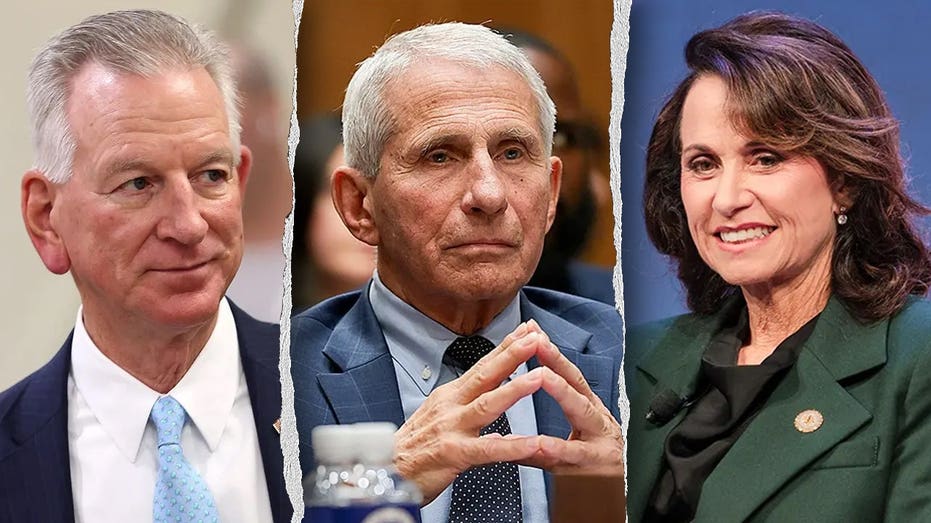
A recent interview between a high-ranking government official and a prominent journalist has sparked controversy, with the official criticizing the journalist for her handling of the COVID pandemic and vaccine-related issues. The official accused the journalist of failing to provide skeptical coverage and instead spreading fear and misinformation.
The interview took a tense turn when the journalist asked the official about his stance on the measles, mumps, and rubella vaccine, despite the official having already addressed the topic earlier. The official responded by saying he had already answered the question and accused the journalist of being flustered and frustrated. The journalist denied being flustered, stating that she was frustrated because the official's comments could lead to vaccine hesitancy.
The official then questioned the journalist's role, asking if her job was to tell the truth to the American people or to end vaccine hesitancy. The journalist repeated her concerns about vaccine hesitancy, prompting the official to accuse her of simply parroting information without truly understanding the science. The official offered to debate the science with the journalist, who declined.

The official went on to criticize the journalist's coverage of COVID, stating that she had punished people for questioning the experts and was now doing the same with vaccine-related issues. The journalist accused the official of spreading inaccurate information, to which the official responded by saying that she was only repeating what she had been told without verifying the facts.
The interview highlights the ongoing debate about the role of journalists in covering sensitive topics such as vaccines and pandemics. The official's criticism of the journalist's handling of these issues has sparked a wider discussion about the importance of skeptical reporting and the need for journalists to verify information before presenting it to the public.