
Apple has been refining its smartwatch for almost twelve years, moving from the original 2015 model to the latest Series 11. The newest iteration is slimmer, larger, and hosts more sensors, yet the changes feel incremental rather than revolutionary.
Each year the company releases a new version, but the public response often questions whether anything truly new has been added. The trend of modest upgrades has led some to wonder when the next major shift will arrive.
Rather than a dramatic redesign, the Apple Watch has entered a phase of maturity. It has established itself as the leading smartwatch platform, with competitors still lagging behind despite recent advances.
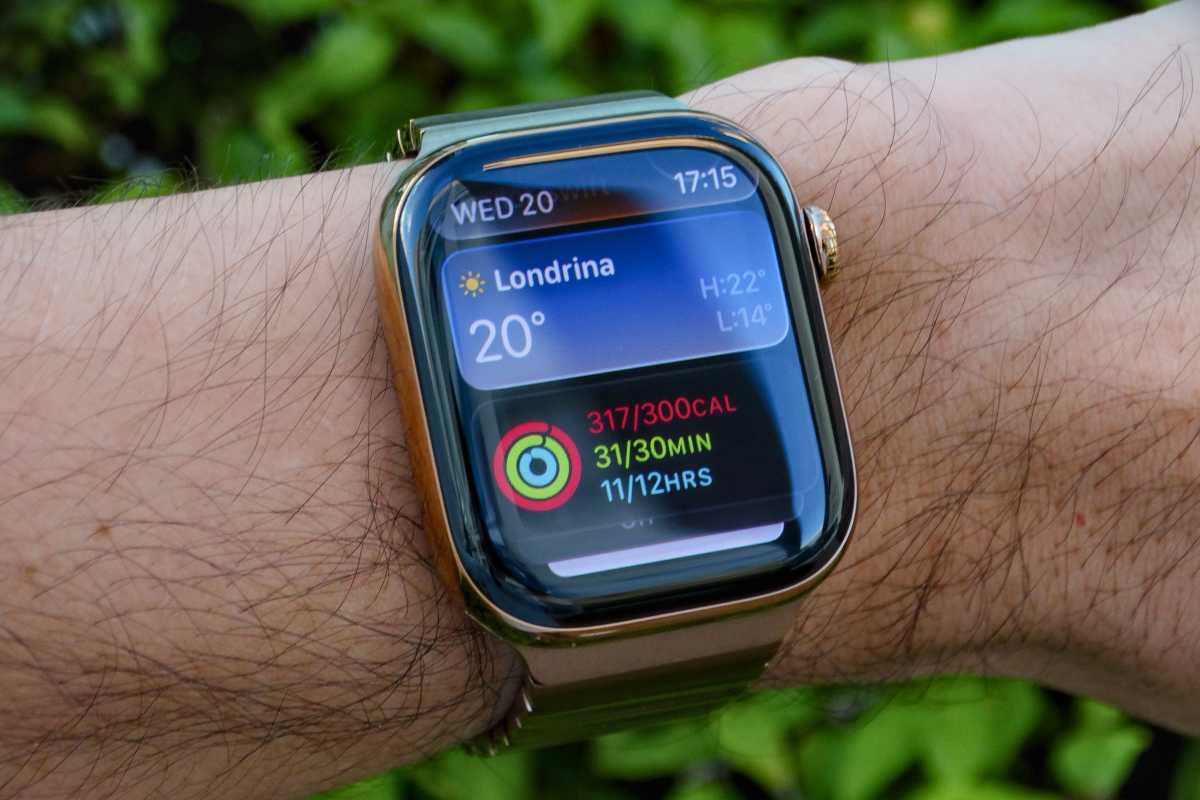
The initial launch in 2015 positioned the device as an experimental product, blending ideas about communication, fashion, fitness, productivity, apps, and luxury.
User habits soon clarified that most consumers value quick notifications and fitness tracking rather than luxury or full smartphone replacement.
Over a decade of iterations has produced a polished, easy‑to‑use interface and advanced health features, from ECGs in Series 4 to blood‑oxygen monitoring in Series 6 and wrist‑temperature sensing in Series 8.
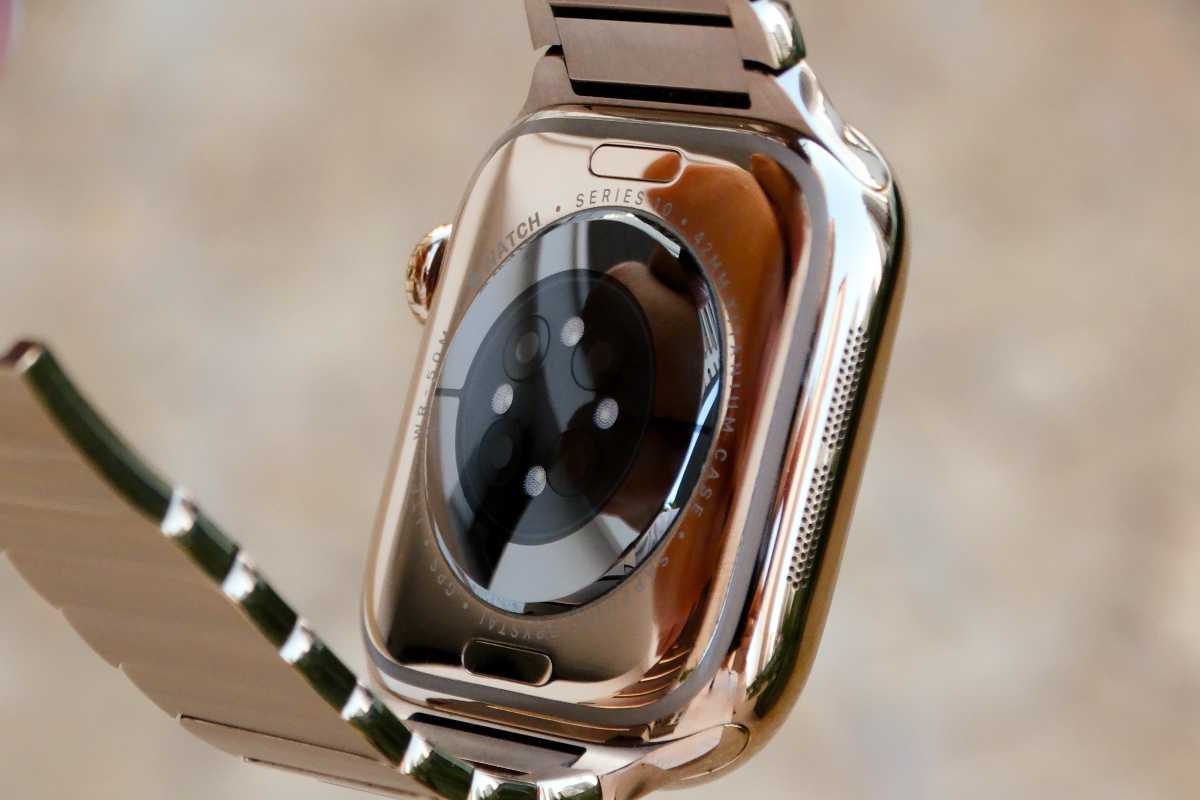
Series 11 introduced 5G connectivity, a modest battery extension, and enhanced durability, improvements that feel incremental to many reviewers.
Critics note that Apple Watch updates appear less exciting than earlier generations, a pattern common in mature product categories where refinement takes priority over reinvention.
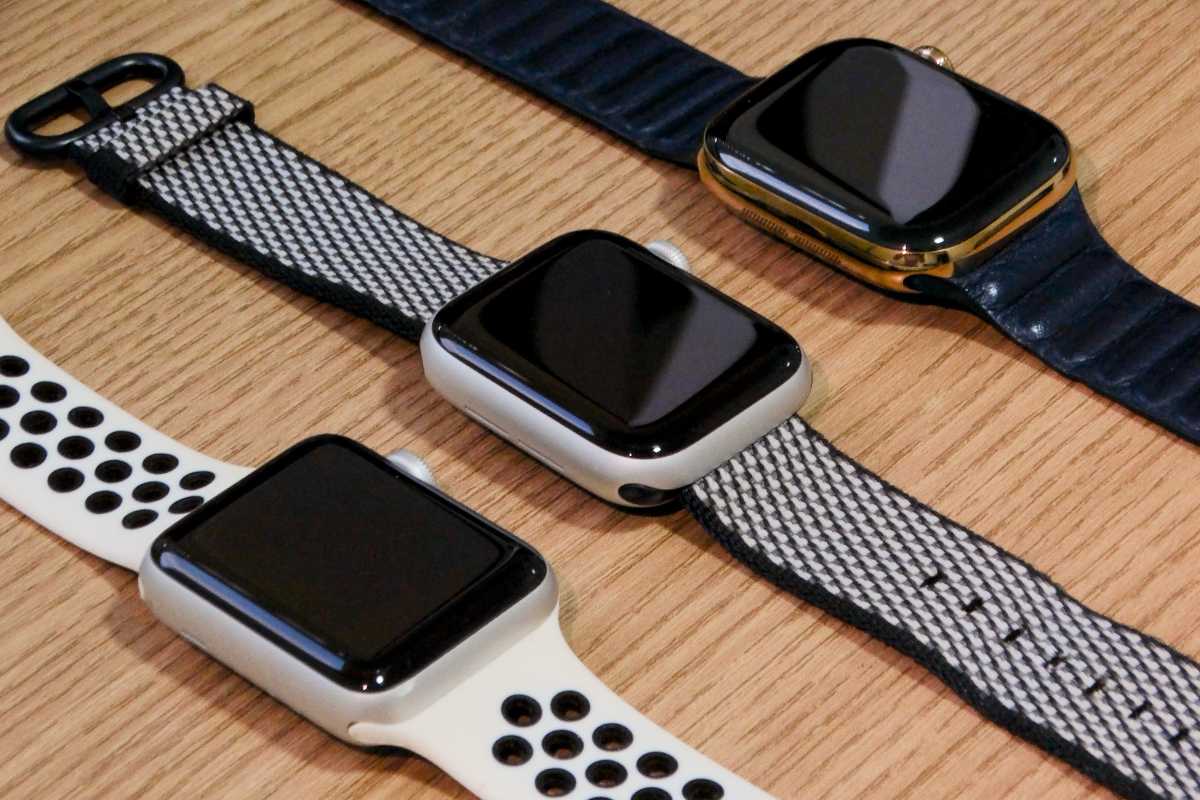
While the leap from the original model to Series 4 was significant, subsequent changes have been more subtle, a shift that aligns with the watch’s established functionality.
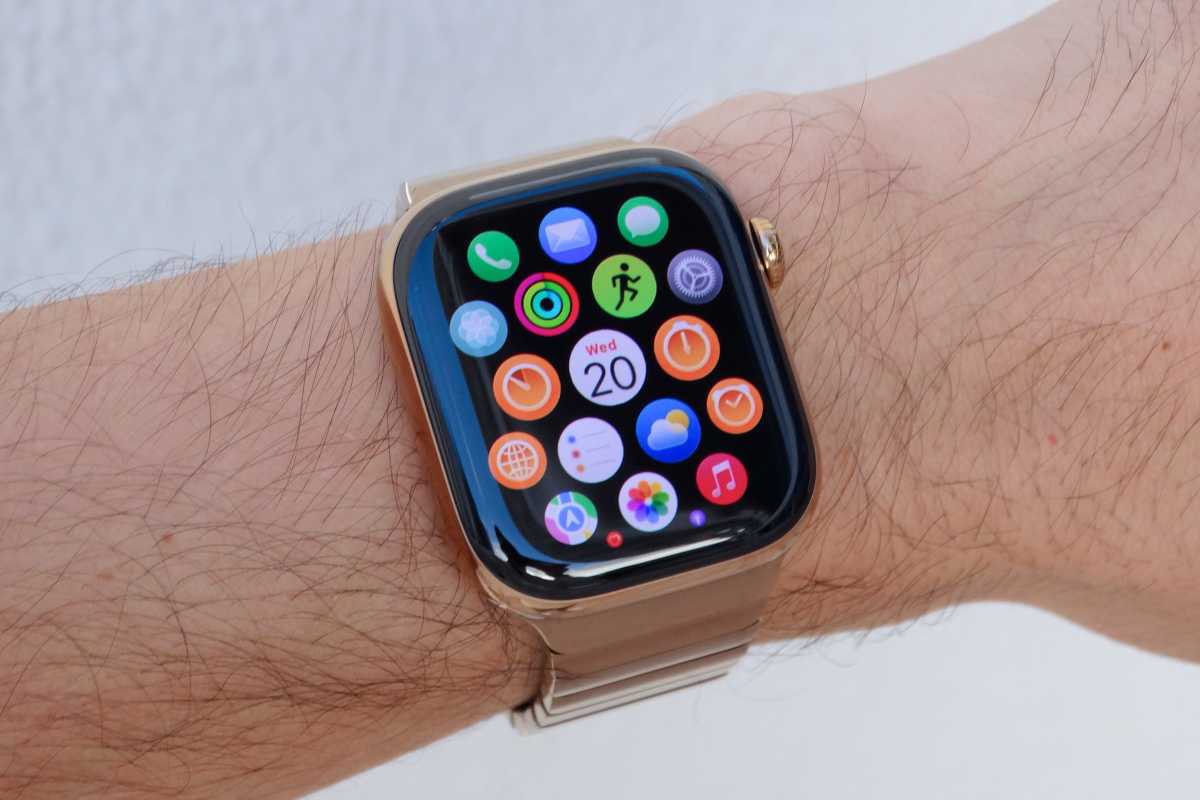
The device excels in reliable notifications, precise fitness tracking, advanced health monitoring, and seamless integration with the iPhone ecosystem.
Competitors such as Google’s Pixel Watch, Garmin’s long‑lasting models, and Samsung’s Galaxy Watch series have made strides, yet none match the depth of the Apple Watch’s integration and user experience.
Features like unlocking a Mac, syncing health data across devices, and tapping to ping an iPhone underscore the watch’s advantage in a unified ecosystem.
The latest watchOS 27 adds AI-driven features and a new Siri integration, bringing capabilities that rival those found on some Android watches.
Other manufacturers are exploring alternative wearables, including screenless bands and rings, but these offerings lack the comprehensive communication platform the Apple Watch provides.
Future improvements are likely to focus on practical enhancements, especially battery life, which remains a daily requirement for most users.
Despite significant gains, the watch still requires daily charging, and many owners consider this a key limitation.
Overall, users appear satisfied with the core experience and are now seeking refinements rather than bold new concepts.
The Apple Watch’s trajectory points toward continued optimization of existing strengths, emphasizing maturity over radical change.


