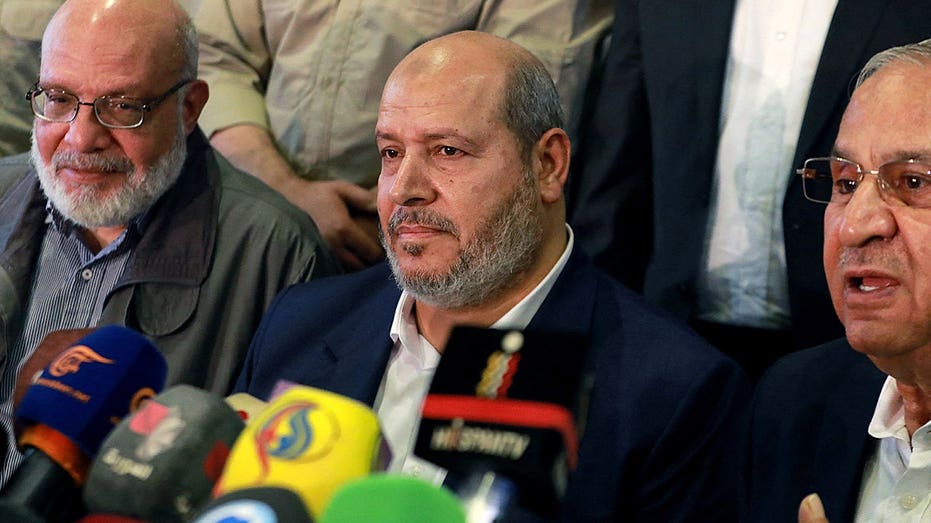
An experienced negotiator within Hamas has been appointed to lead the organization’s political bureau after a prolonged, covert selection process.
Khalil al‑Hayya, known for his role as a chief negotiator and for surviving multiple assassination attempts, will now oversee the group’s political activities.
The transition followed a secret election that spanned several months, reflecting a preference for continuity over a shift in strategy.
Al‑Hayya’s survival of an Israeli strike in Doha last September and the loss of four sons in Israeli operations underscore his resilience and the personal sacrifices that reinforce his standing within the organization.
Observers note that the new leadership is likely to maintain the status quo, with continued engagement in ceasefire talks, prisoner exchanges, and a focus on preserving armed capabilities and ties with Tehran.
The appointment is viewed as an act of institutional self‑preservation, prioritizing cohesion and the maintenance of existing military structures rather than a reassessment of policy after recent losses in Gaza.
The decision was made by an internal council rather than through a public vote by the approximately two million residents of Gaza, many of whom blame the organization for recent hardships.
Future governance is expected to resemble a Hezbollah‑style arrangement, with Hamas retaining control over security forces and veto power while limiting overt public responsibility.