As America prepares to celebrate its 250th anniversary, there's a growing concern that the country may be too divided to come together in celebration. The current state of affairs seems to suggest that the nation is increasingly polarized, with violent clashes and heated rhetoric dominating the headlines.
However, history suggests that even in the most tumultuous of times, Americans have a remarkable ability to put aside their differences and come together in celebration. The Bicentennial, which took place in 1976, is a prime example of this.
At the time, the country was reeling from the aftermath of the Civil Rights Movement, the assassinations of President John F. Kennedy, the Rev. Martin Luther King Jr., and presidential candidate Robert F. Kennedy, and the lies of Vietnam and Watergate. The postwar consensus had disintegrated, and the country was more cynical and distrusting of government, elites, and big business.
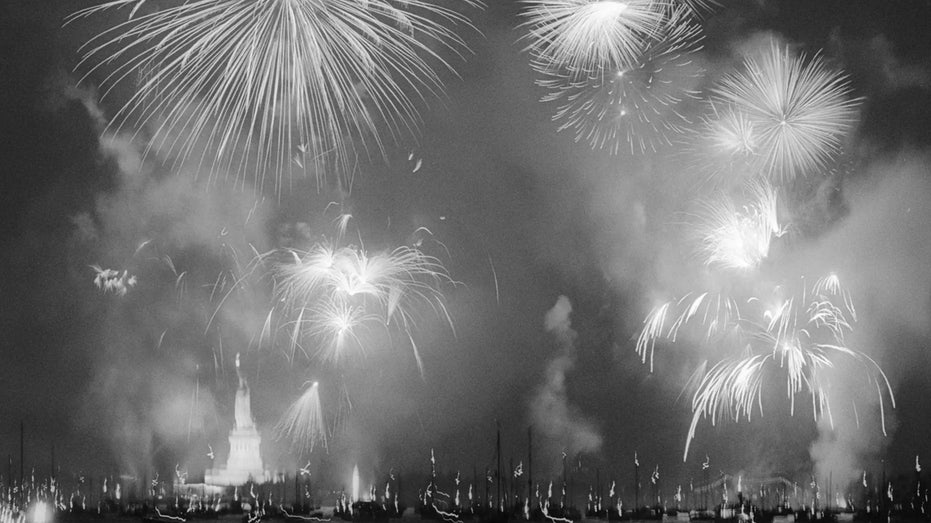
Despite these challenges, the Bicentennial turned out to be one of the greatest patriotic celebrations in American history. Over 12,566 towns and cities participated in the Bicentennial Communities project, renovating parks and historic buildings or building new community centers. Millions of Americans visited the Freedom Train, Independence Hall, and the Liberty Bell in Philadelphia.
The celebrations were not limited to the East Coast. Decades before e-commerce made buying with a click ubiquitous, Bicentennial merchandise sold by the millions through mail-order or catalogs. Washington, D.C. was the center of the celebrations, with over 1.2 million people viewing the Declaration and Constitution at the National Archives in 1976.
The Bicentennial was a time of great patriotism and celebration, but it also served as a reminder that America's challenges were far from over. Despite the protests and condemnations of the country, the vast majority of Americans showed pride and perspective on their history.
Today, as America approaches its 250th anniversary, it's likely that many Americans will feel the same way about their country's history. The "Freedom Plane" is currently touring the country, and exhibitions at the National Archives, Library of Congress, and Smithsonian Institution are drawing thousands of Americans to view artifacts from the country's past.
Despite the anger and incivility that seems to dominate the headlines, the vast majority of the country goes about its daily life peacefully. Debate and argument about the country's past are part of our tradition, not signs of imminent civil war. As America looks to the future, it's essential to remember why millions still come to these shores, why opportunity here is still open for the taking, and why few Americans would trade life here for other political systems.
So, as America celebrates its 250th anniversary, don't worry. Be happy. Embrace the "Spirit of '76" and remember that despite our challenges, we remain a great nation with a remarkable ability to come together in celebration.
With a renewed commitment to the principles of the Declaration, Americans can continue to strive for a more perfect Union. As one newspaper wrote in 1976, "this land is the only land that we have to live in, and most importantly, few Black Americans want to leave it for some other place."